
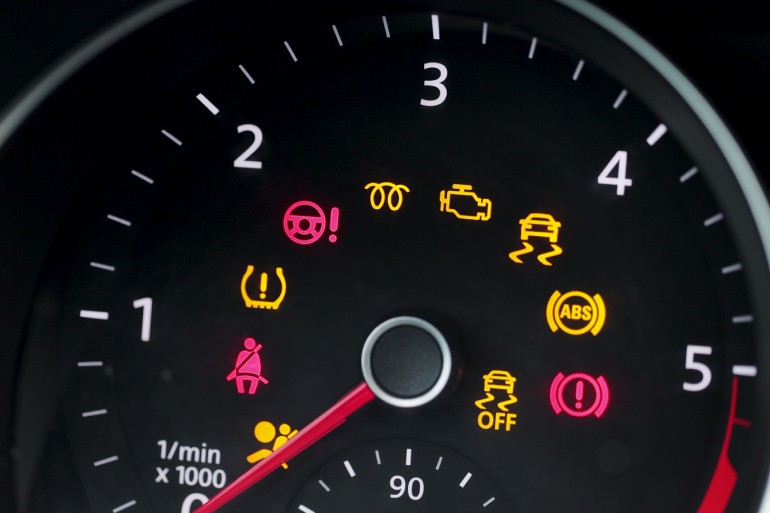
Your car contains thousands of components working together to keep you moving safely down the road. While modern vehicles offer impressive reliability, certain parts consistently fail before others, often leaving drivers stranded or facing expensive repairs. Understanding which car components break down most frequently helps you prepare for maintenance costs and spot warning signs before complete failure occurs.
Brake Pads and Rotors Lead the Pack
Brake components top the list of parts requiring regular replacement. Brake pads typically last 25,000 to 70,000 miles, depending on driving habits and conditions. City driving with frequent stops wears pads faster than highway cruising. Rotors usually outlast pads but eventually develop grooves, warping, or excessive thickness variation that compromises braking performance. Squealing sounds, grinding noises, or vibrations when braking signal immediate attention.
Batteries Drain Away Reliability
Car batteries rarely warn you before dying completely. Most batteries last three to five years, though extreme temperatures accelerate failure. Hot climates cause internal components to break down faster, while cold weather reduces chemical reactions that generate power. Slow engine cranking, dim headlights, or dashboard warning lights often indicate battery weakness before total failure occurs.
Tires Wear Out With Every Mile
Tires endure constant friction, temperature changes, and road hazards that gradually reduce their effectiveness. Front tires typically wear faster due to steering and braking forces, while rear tires provide stability and traction. Uneven wear patterns reveal alignment issues, improper inflation, or suspension problems that accelerate tire degradation. Most tires require replacement every 40,000 to 80,000 miles, depending on driving conditions and maintenance.
Alternators Generate Problems Over Time
Alternators charge batteries and power electrical systems while engines run. Unfortunately, internal components like brushes, bearings, and diodes wear out from heat and mechanical stress. Warning signs include dimming lights, electrical malfunctions, or unusual noises from the engine bay. Pay attention to these signs, as failed alternators drain batteries quickly, leaving vehicles unable to start or operate properly.
Spark Plugs Lose Their Spark
Spark plugs ignite air-fuel mixtures thousands of times per minute, creating combustion that powers engines. Electrodes gradually erode from extreme heat and electrical arcing, reducing ignition efficiency. Modern platinum or iridium plugs last longer than traditional copper versions, but they still require replacement every 60,000 to 100,000 miles. Engine misfires, rough idling, or reduced fuel economy suggest spark plug problems.
Wiring Harnesses Face Multiple Threats
Electrical wiring throughout vehicles faces constant flexing, vibration, heat, and moisture exposure. Insulation cracks allow moisture penetration that causes corrosion and short circuits. Regular inspection and protective measures reduce failure-inducing wear in the wiring that powers everything from headlights to fuel injection systems. Intermittent electrical problems often trace back to damaged wiring connections.
Regular car maintenance prevents most component failures from becoming roadside emergencies. Following manufacturer service schedules, addressing warning signs promptly, and using quality replacement parts extend component life significantly. Keep maintenance records to track replacement intervals and identify patterns that might indicate broader vehicle issues requiring professional diagnosis.