
In healthcare, technological advancements continue to revolutionize the way patient safety and care are delivered. As we navigate the complex realms of medicine and patient well-being, technology emerges as a formidable ally, ushering in transformative changes that impact the entire healthcare ecosystem.
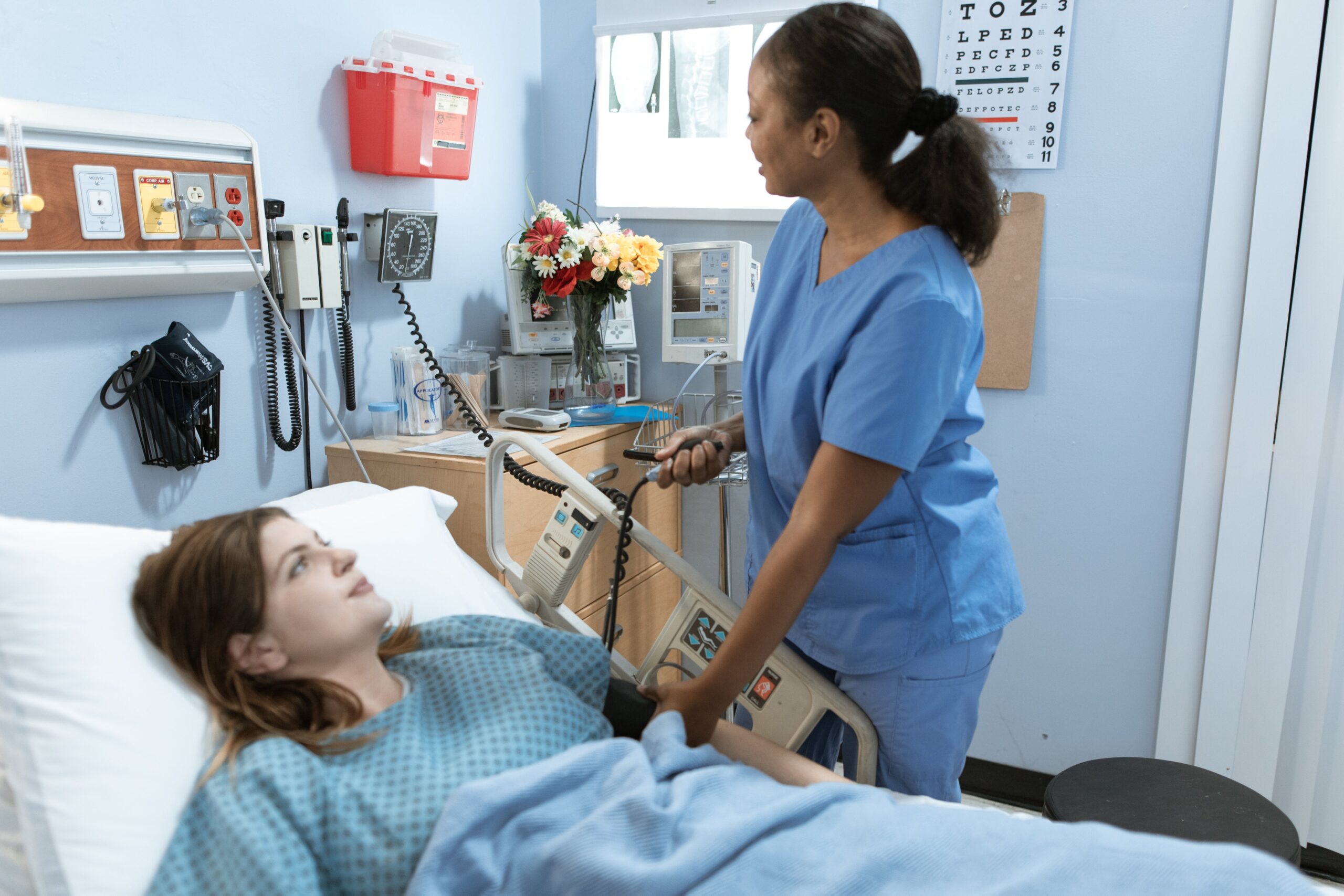
From innovative diagnostic tools to enhanced communication platforms, the integration of technology has paved the way for unprecedented improvements in patient safety and care. In this article, we delve into six notable ways in which technology is shaping the future of healthcare, fostering a safer and more efficient environment for both patients and healthcare providers.
1. Advanced Diagnostics:
Advanced diagnostic tools represent a technological leap in healthcare, offering healthcare professionals unprecedented insights into a patient’s condition. High-tech imaging modalities, such as Magnetic Resonance Imaging (MRI) and Computed Tomography (CT) scans, play a pivotal role in this domain. These imaging techniques provide detailed anatomical and functional information, allowing for earlier and more accurate diagnoses. especially when the underlying tech is provided by the likes of Arkle Electronics.
The precision of these scans aids healthcare providers in identifying and understanding the nature of diseases, injuries, or abnormalities. Moreover, the integration of artificial intelligence (AI) algorithms into diagnostic processes enhances the efficiency of medical image analysis. AI can identify subtle patterns and anomalies that might be overlooked by the human eye, contributing to a higher degree of accuracy in diagnostics.
2. Telehealth and Remote Monitoring:
Telehealth has transformed the patient-provider relationship, offering unprecedented convenience and accessibility. Through the use of a virtual assistant for a medical practice, patients can connect with healthcare professionals without leaving their homes. These trained professionals can offer advice, and support and handle logistical or paperwork issues over the phone. This not only reduces the burden of travel, especially for individuals in remote locations but also minimizes exposure to potential infections, a crucial aspect in the context of global health challenges.
Together with telehealth, remote monitoring devices have become instrumental in tracking patients’ vital signs and health metrics in real time. These devices, ranging from wearable sensors to smart home devices, empower healthcare teams to proactively intervene and prevent potential complications. By continuously monitoring parameters such as blood pressure, heart rate, and glucose levels, healthcare providers can offer timely interventions, ensuring a more personalized and proactive approach to patient care.
3. Electronic Health Records (EHRs):
The transition from paper-based records to Electronic Health Records (EHRs) has significantly streamlined the management of patient information. EHRs serve as centralized repositories of medical data, ensuring that authorized healthcare professionals have swift and secure access to comprehensive patient histories. This shift minimizes the risk of errors associated with manual record-keeping and significantly enhances the efficiency of healthcare delivery.
EHRs also facilitate seamless information sharing among different healthcare providers. This interoperability ensures continuity of care as patients move through various medical settings. The result is a reduction in redundant tests and procedures, streamlined communication among healthcare teams, and ultimately an improvement in the overall quality and efficiency of patient care.
4. NG/OG Tube Placement Confirmation Device:
Ensuring the correct placement of nasogastric (NG) or orogastric (OG) tubes is a critical aspect of patient care, and technology has introduced innovative solutions to enhance safety in this common medical procedure. NG/OG tube placement confirmation devices utilize advanced sensors and imaging technology to provide real-time feedback to healthcare professionals.
By offering immediate confirmation of tube placement, NG/OG tube placement devices reduce the risk of complications such as aspiration. The use of technology in this context enhances the safety and accuracy of the procedure, reducing the likelihood of errors and ensuring that patients receive the intended benefits of tube placement without unnecessary risks.
5. Medication Management Systems:
Medication errors represent a significant threat to patient safety, and technology has stepped in with automated medication management systems to address this challenge. These systems incorporate barcode scanning and electronic prescribing, drastically reducing the risk of administering the wrong medication or dosage. Automated alerts within these systems serve as a safety net, notifying healthcare providers of potential drug interactions or contraindications.
The implementation of these systems not only enhances medication safety but also promotes better patient outcomes. By leveraging technology to ensure accurate medication administration, healthcare providers can significantly reduce the occurrence of adverse drug events, enhancing the overall quality of patient care.
6. Communication and Coordination Platforms:
Efficient communication is the backbone of effective healthcare delivery, and technology has introduced solutions to bridge communication gaps. Secure messaging platforms and integrated communication systems enable healthcare teams to collaborate seamlessly. This ensures that critical information is shared promptly, reducing the risk of misunderstandings or delays in patient care.
The streamlined communication facilitated by these platforms enhances care coordination, leading to reduced response times and, ultimately, an improvement in the overall quality of patient care. Whether it’s sharing test results, discussing treatment plans, or coordinating multi-disciplinary care, these platforms contribute to a more connected and responsive healthcare environment.
Conclusion
Technology has significantly enhanced patient safety and care through streamlined processes. From digital record management to telehealth solutions, wearable devices, and AI-driven diagnostics, these innovations minimize errors and improve accessibility. As technology continues to evolve, it promises a future where healthcare is more efficient, patient-centric, and marked by continuous improvement in outcomes.