
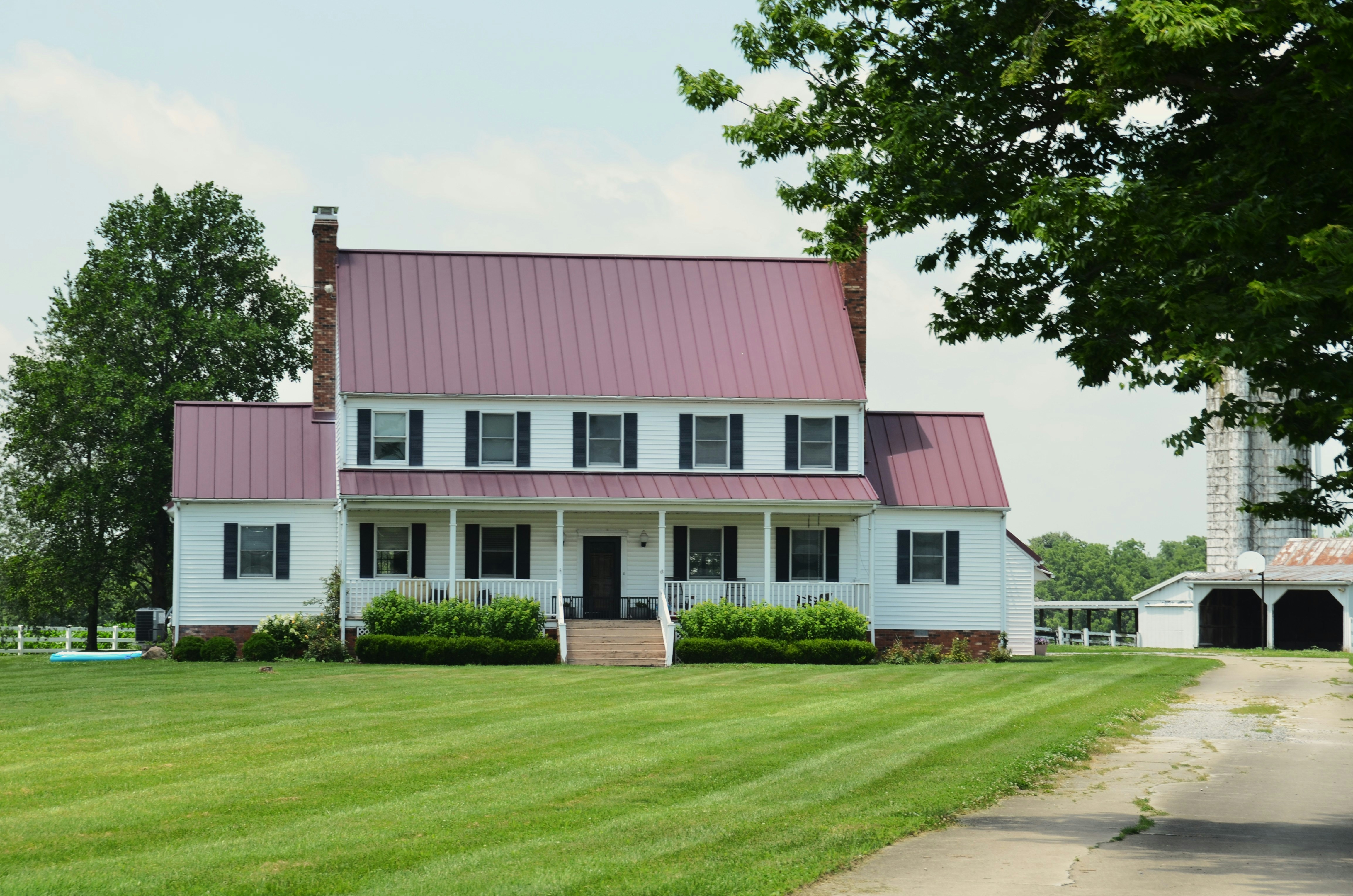
A rural home often needs practical improvements before everyday life runs smoothly. Longer boundaries, private water supplies and shared access points all require closer attention than they would on a typical suburban block. Start by walking the property, noting anything damaged or difficult to maintain and marking utilities on a simple site plan. This early inspection helps you prioritise work that protects livestock, supports reliable access and keeps the land manageable through changing seasons.
Assess Boundary Security First
Walk every boundary before repairing internal features. Look for leaning posts, loose wire, damaged gates, erosion and vegetation that hides weak sections. When buying rural land, it also helps to review access, utilities and existing improvements before committing to major work.
Record problems with photographs and mark their locations on a map. Give priority to boundaries beside roads, neighbouring animals or waterways. Check who owns each fence before arranging replacement work, as responsibilities may be shared. If livestock will use the property, choose suitable fencing for their size and temperament, then schedule inspections after storms, fallen branches or flooding.
Streamline Driveways with Cattle Grids
Frequently used gateways can slow down daily trips, especially when you need to leave a vehicle and open two gates. Properly installed cattle grids can support regular vehicle access while helping contain livestock on agricultural properties in NSW and Queensland. Installation should account for expected vehicle loads, drainage and safe animal management.
Review the driveway width, turning space and ground conditions with a qualified contractor. Understanding cattle guard ownership and maintenance can also help you assess an existing grid before relying on it for regular access. Keep a nearby gate for animals, pedestrians and machinery that cannot safely cross. Clear drains and inspect the structure regularly, particularly after heavy rain or soil movement.
Ensure Sustainable Water Sourcing
Confirm the source, storage capacity and quality of your water before increasing household or livestock demand. A rural property may rely on rainwater tanks, a bore, a dam or a combination of systems. Calculate typical use across the home, garden, troughs and fire reserves, then compare that figure with storage available during the driest months.
Inspect tanks for cracks, damaged screens and sediment. Roof gutters should be clear, while first-flush devices need routine cleaning. Test drinking water through an accredited laboratory and fit treatment suited to the results. Pumps, filters and float valves also benefit from a written maintenance schedule. If power cuts are common, consider gravity-fed emergency storage or a suitable backup supply for critical needs.
Plan Clear Pasture Zones
Divide usable land according to soil condition, shade, slope, water access and the number of animals it can support. Clear pasture zones make grazing easier to manage and allow tired areas time to recover. On a small holding, three or four paddocks may provide more flexibility than one large field that receives constant use.
Place troughs where animals can reach them without creating muddy gateways. Keep feed storage on firm, well-drained ground and leave enough room for delivery vehicles to turn safely. Protect creek banks, steep slopes and newly planted shelter belts from trampling. It also helps to establish a separate holding area near yards or shelters, as this gives you a practical place for short-term care, pasture maintenance or bad-weather management.
A marked-up property plan can turn these upgrades into a sensible work schedule. Record boundaries, access points, water lines and pasture divisions in one place, then give contractors the same plan before work begins. Accurate notes now will also make future repairs much easier to organise.