
The history of Japan is greatly jurisprudenced by martial arts especially those that use katana. These swords are not only used as a weapon of warfare, but also to promote educational principles that include moral, spiritual, cultural, and physical development. This article delves into the specific types of martial arts that use Katana and their scope beyond warfare.
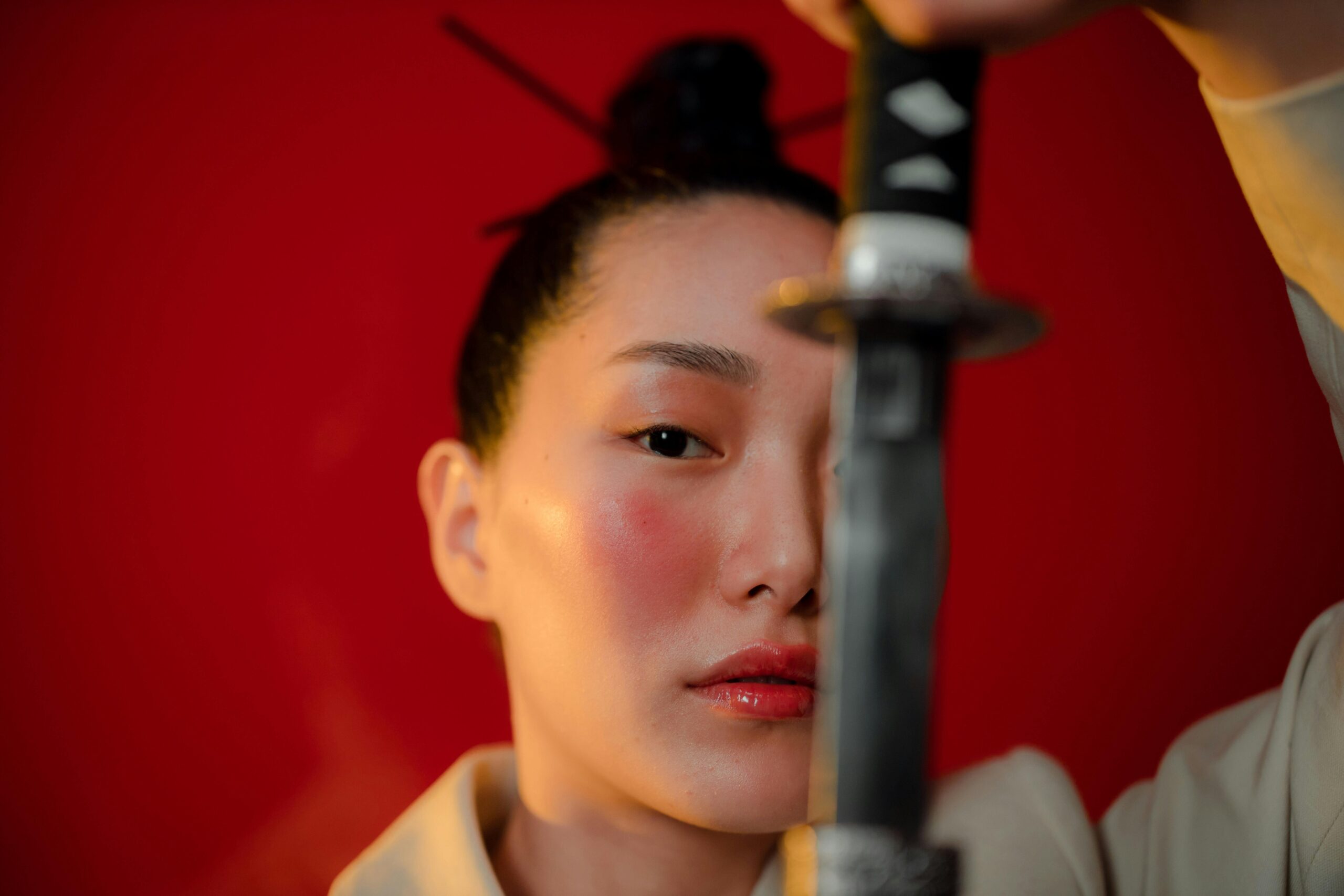
Types of martial arts that use Katana
-
Kendo
Traditionally Kendo takes the same place as Kenjutsu as the way to teach swordsmen and women the reality of combat. Even the most novitiate kyu-grade kendoka will tell you that fighting is messy, complicated, and rarely something as elegantly simple as what you see in kata. Kendo’s purpose from the Meiji period through World War two was to provide a combative environment for martial artists to experience something as close to real combat as possible and was a supplement for other Bugei such as Laido and Toyama-Ryu to provide a well-rounded experience.
Kendo or the way of the sword, is the modern equivalent of Kenjutsu and focuses on speed, balance, and fluidity in sword techniques. Kendo practitioners utilize a bamboo training sword or shinai in training.
Modern Datotsu on both the shinai and the body are the optimal places to cut with the proper critical point on the katana. Additionally, all of the kendo kata practiced by Kodansha are all the Koryu Bugei Kenjutsu forms that were sampled and boiled down to create kendo in the 18th century.
-
Laido
Modern Laido takes a very similar role to Kendo as Laijutsu did to Kenjutsu in providing a sister martial art focused on swordsmanship at the initiation of an engagement.
Whether you’re drawing from a seated position or against a single target or you’re standing and matched against multiple targets with your sword in your sheath, Laido remains focused on how to engage someone with your katana on the draw as well as some supplemental kata to the forms practiced by kendoka.
The federation which controls modern Iaido is the All Japan Kendo Federation, the primary federation which also controls kendo. Modern Iaido is, like Kendo, a distillation of several very popular styles of swordsmanship at the time of its inception. Unlike kendoka however, many iaidoka also study the traditional koryu-bugei which created Iaido. This is largely because many of those styles, including Muso-Shinden Ryu, have survived to the modern day largely intact.
A common misconception is that a very advanced part of Iaido, Tameshigeri is a separate martial art. It’s not. In feudal times, Tameshigeri was a method of testing a sword frequently practiced on prisoners to see whether it was sufficiently lethal. Nowadays it’s a practice taught to Iaidoka to help them better understand the complexities of the katana and actually using it to cut targets.
In the modern world, Laido is not used on real people anymore. The only thing getting cut by an Iaidoka in Tameshigeri nowadays is bamboo.
-
Toyama-ryu
Unlike the gendai-budo of Kendo and Laido, which use weapons and martial arts for self-betterment, Toyama Ryu is gunto-Soho created by the Imperial Japanese Army for use by their soldiers in combat during the Sino-Japanese War and World War 2. Oyama-Ryu is a collection of martial arts that can be thought of as the last schools of Japanese martial arts taught with the intention of its students using them to kill lots of people. The name “Toyama Ryu” is a reference to the IJA Toyama Military Academy. Toyama-Ryu contains forms and teachings for the katana as well as the bayonet, with the intention that the katana forms are taught to officers and the bayonet forms are used by rank and file.
Toyama-Ryu is a modern martial art created as a result of the IJA’s desire to reincorporate the katana into modern warfare, and the experiences of IJA officers wielding the katana in conflicts such as the Sino-Japanese War. Because of its IJA affiliation, it’s also somewhat infamous given the war crimes that the IJA committed and the brutal reputation that Toyama-Ryu practitioners had from Allied GIs who fought the IJA in WW2.
Unlike the koryu-bugei, the original practitioners of Toyama-Ryu have largely survived into the late 20th century and explicitly passed on their lineage through living students in Japan and the US. This makes it slightly more popular than the classical martial arts, which for the most part are only authentically practiced in Japan.
-
Laijutsu
Unlike Iaido, Laijutsu is not a single martial art and instead covers a host of very different styles that interpret the optimal use of the katana potentially very differently. It also was intended to be functionally used by their students; like all of the other koryu-bugei Laijutsu is more for self-defense than it is for self-betterment.
There are a few dominant schools of Laijutsu that have survived to the modern day. The most popular are arguably Musho-Shinden Ryu and Muso-Jikiden, Eishin Ryu, two styles that were critical in the creation of Laido and continue to be practiced by very senior Iaidoka largely for their cultural importance. There are also the Iai portions of Katori-Shinto Ryu Kenjutsu, which are a collection of sword combat schools whose methods are arguably less represented in modern Kendo than other popular styles of the period.
-
Kenjutsu
Kenjutsu or the art of sword fighting focuses on sword techniques, but it is a non-competitive art with a prearranged set of movements between dueling opponents. Kenjutsu practitioners utilize a wooden sword or bokken that replicates the size and weight of the real Katana sword.
Kenjutsu probably reached its peak of popularity and exposure during the Edo Period of Japanese history. In this period of relative peace within Japan, swordsmen who once plied their trade fighting each other as feudal samurai to various lords found themselves selling their martial arts skills as teachers. There was an explosion of Kenjutsu styles during the beginning of the Edo Period as Japan’s feudal period ended, and the most common styles of Kendo at the end of the Edo Period were distilled into modern Kendo.
Conclusion
The application of katana-based martial arts goes beyond the battlefield. They evolved into reliable self-defense techniques through time. in the modern world, makoto katana are used to promote educational principles that include moral, spiritual, cultural, and physical development.