
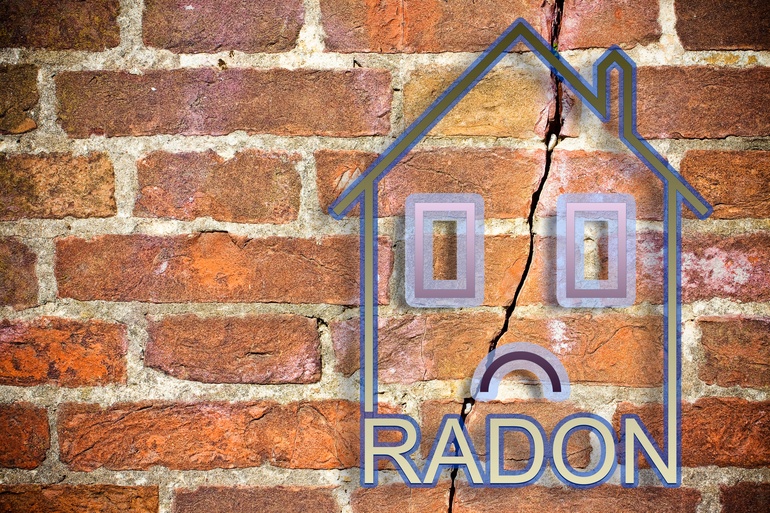
Radon is a colorless, odorless gas that poses a serious health risk, causing thousands of lung cancer deaths annually and ranking as the second leading cause after smoking. It forms naturally from uranium in soil and rock, and while present in small amounts everywhere, it becomes dangerous when it accumulates in homes. To help keep your household safe, we’ll explain the common entry points for radon in your home.
Understanding Radon and Its Dangers
Radon, a radioactive gas from the natural decay of uranium in soil, typically disperses harmlessly outdoors but can seep into homes through the foundation, concentrating to harmful levels. Prolonged exposure to radon-contaminated air poses serious health risks, especially for children, who are more vulnerable due to their developing lungs and faster breathing rates. Identifying how radon enters your home is the first step to protecting your family.
How Radon Can Enter Your Home
No matter where you live or what type of house you have, radon poses a danger. Below are the common entry points for radon to enter your home, including the foundation and crawl spaces.
Foundation Cracks
Foundation cracks represent the most common pathway for radon entry. Even hairline cracks that seem insignificant can allow substantial amounts of radon to enter your living space.
These cracks develop naturally as concrete settles and ages, creating direct channels from the soil beneath your home. Regular foundation inspections help you spot these potential entry points before radon levels become dangerous.
Gaps Around Utility Penetrations
Plumbing pipes, electrical conduits, and other utilities must pass through your foundation, creating necessary openings that contractors may not seal correctly. Over time, the sealing materials for these gaps can shrink, crack, or deteriorate, leaving spaces for radon infiltration.
Water pipes present concerns since they typically enter through larger openings that require more extensive sealing. Even small gaps around these penetrations can allow significant radon entry.
Construction Joints and Seams
Modern construction techniques create various joints where different building materials meet. The joint between your foundation wall and floor slab creates a common entry point, especially in basement areas.
Cold joints form when concrete pours occur at different times, creating seams that don’t bond sufficiently. These joints may develop small separations that become ideal radon entry points.
Exposed Soil in Basements and Crawl Spaces
Dirt floors in basements or crawl spaces create direct contact between your home’s interior and radon-producing soil. Crawl spaces with dirt floors present challenges since air circulation patterns can draw radon upward into main living areas, and simply ventilating the space is not enough.
DIY crawl space ventilation is not a substitute for a radon system, as it can bring unwanted moisture or condensation into the crawl space. Sump pump pits with exposed earth also provide direct pathways for radon entry, especially when covers fit loosely or have degraded over time.
Ensuring Your Family’s Safety
Radon enters homes through foundation cracks, utility penetrations, construction joints, exposed soil, and well water. Regular inspections can help identify these entry points early, protecting your family’s health. Professional radon testing provides accurate measurements to assess safety levels, and if it detects elevated levels of radon, qualified contractors can install mitigation systems to confirm your home has clean, healthy air.