Irrigation is important to maintain healthy crops, but even small missteps can have big consequences on productivity and resource usage. Knowing common irrigation mistakes and how to address them can help farmers optimize their irrigation practices. Here’s what to watch out for and how to avoid common pitfalls.
Overwatering
Using too much water is one of the most frequent irrigation issues farmers face. Signs of overwatering include water pooling around plants, yellowing leaves, and a noticeable decline in crop health. Overwatering doesn’t just waste water; it can suffocate plant roots and lead to fungal growth.
To correct this, calibrate your irrigation system to provide the right amount of water for your crop type and soil. Regularly track soil moisture levels with sensors or manual testing to avoid excessive watering.
Uneven Coverage
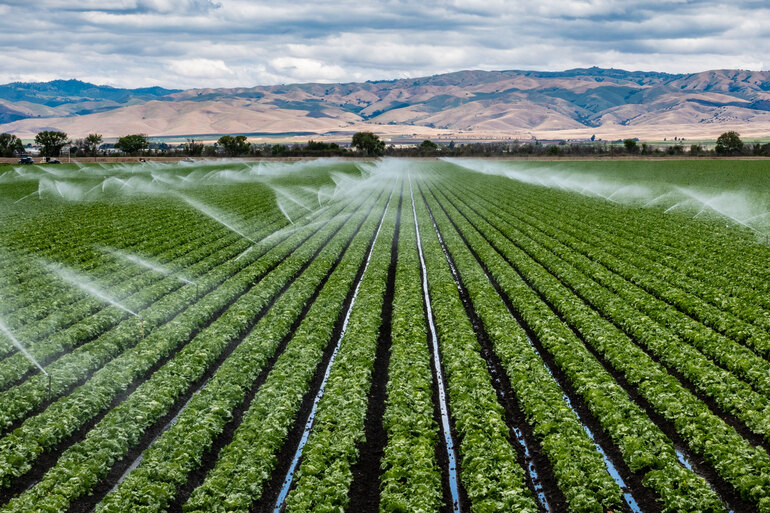
Uneven water distribution can leave some areas oversaturated while others remain dry. This inconsistency often results in stunted growth or patchy yields.
Check your irrigation layout to confirm you have no gaps or overlaps in spray patterns. Select equipment designed for even flow rates and periodically observe your system in action to spot uneven patches. Getting the right balance keeps your irrigation efficient and productive.
Clogged Nozzles
Clogged nozzles can drastically reduce the efficiency of irrigation systems and disrupt water flow to crops. Dirt, debris, or mineral buildup can block pipes and sprinkler heads over time.
Regular cleaning of nozzles is essential to prevent blockages. Most systems benefit from periodic flushing, while others may require more thorough disassembly. By maintaining clean nozzles, farmers can save landowners water effectively and retain consistent performance.
Ignoring Weather
Overlooking weather conditions is a mistake that leads to both overwatering and underwatering. Irrigating during rainy spells or skipping irrigation during high heat can throw crops into stress and waste resources.
Always monitor weather forecasts to align irrigation schedules with natural rainfall and temperature changes. Many modern systems now integrate weather-based controllers to take the guesswork out of the process, but even manual adjustments can make a big difference.
Poor Drainage
Waterlogged fields are a clear signal of poor soil drainage. Excess water can drown roots without proper drainage and create environments ideal for pests and diseases.
First, check the soil type and determine if it needs improvement with organic matter or sand to increase permeability. Additionally, consider installing subsurface drainage systems for long-term water management. These adjustments will prevent water from pooling around your crops while promoting healthier root systems.
Avoiding these irrigation mistakes goes a long way in boosting crop health, conserving resources, and improving yields. Assess your current system today to sidestep these pitfalls. Maintaining consistency and addressing common issues early will set your fields up for long-term success. Looking for more ways to optimize farm irrigation? Reach out to us for expert advice tailored to your needs.