
Setting up an aquarium is like building a tiny underwater world. But when you’re faced with a shelf full of water conditioners, it’s easy to wonder if you’ve taken on too much.
Don’t panic. Creating a healthy habitat for your fish isn’t about getting a PhD in marine biology. Let’s walk through the basics of keeping your finned friends thriving without overcomplicating things.
Water Quality is Everything
Think about the air you breathe. If it were full of smog every day, you probably wouldn’t feel great. That is exactly how fish feel about their water. New tank owners often make the mistake of just filling the tank and dropping the fish in immediately, but this usually ends badly because tap water contains chlorine and chloramines, which are toxic to fish.
You need to cycle your tank before adding any life. Cycling means running your tank with a filter for several weeks, during which beneficial bacteria grow on surfaces inside the tank and filter. These bacteria break down fish waste, and they convert toxic ammonia into less harmful substances.
Without this biological filter, ammonia levels spike, and your fish get sick. Get a good testing kit and check your parameters weekly! You are looking for zero ammonia, zero nitrites, and low nitrates.
Filtration Matters
Water doesn’t stay clean on its own. Fish eat, they poop, and uneaten food can rot in the water. That is why choosing the right aquarium filters is probably the most critical piece of equipment you will buy.
A filter does the heavy lifting by trapping debris and housing the beneficial bacteria from the tank cycle. If you have a twenty-gallon tank, your filter should handle eighty gallons per hour. Don’t skimp here! A weak filter means dirty water, and dirty water means stressed fish.
Give Them Space and Structure
Imagine living in an empty room with nowhere to hide. You’d feel pretty exposed. Fish feel the same way. Most species need structure to feel secure. This reduces stress, which in turn boosts their immune systems.
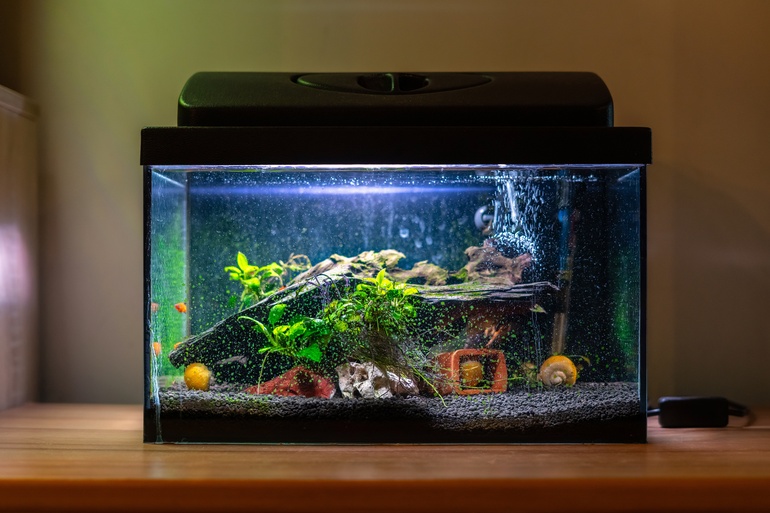
Plants are fantastic for this. Live plants are best because they help oxygenate the water and absorb nitrates, but silk plants work too, if you don’t have a green thumb. Rocks, driftwood, and caves also provide necessary territories. Just make sure whatever you put in there is aquarium-safe.
Help Your Fish Thrive
Creating a healthy habitat for your fish boils down to replicating their natural environment. Keep the water clean and add some hiding spots to keep their stress levels low. Get these basics right, and you’ll enjoy a tank full of happy, vibrant fish! By incorporating a few of these pro tips, you can elevate your fish-keeping skills from good to great, ensuring your aquatic pets not only survive but truly thrive.


