
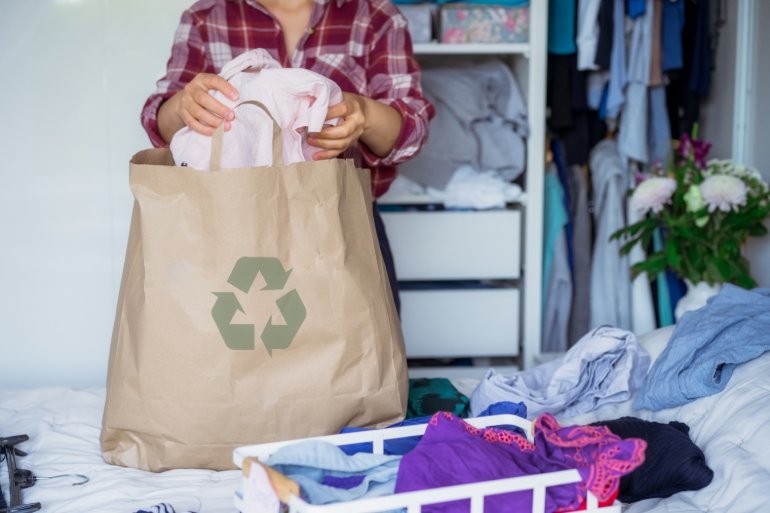
Fashion loves a comeback. Hemlines return, forgotten colors suddenly feel fresh again, and a jacket buried in the back of the closet can somehow become exactly what everyone wants two seasons later. Yet sustainable fashion asks us to think beyond which trends deserve another turn. It also challenges us to consider what happens to clothing when nobody wants to wear it anymore.
Recycling offers one possible next chapter for these unwanted textiles. It cannot solve every environmental challenge associated with fashion, but it can complement smarter shopping, longer wear, repair, resale, and donation. For women who love style but want their wardrobes to reflect more thoughtful habits, understanding textile recycling makes that final stage easier to navigate. Here are several ways recycling clothing fits into a more sustainable relationship with fashion.
1. It Gives Worn-Out Clothing Another Destination
Closet cleanouts usually create several categories. Some pieces still look fantastic, others could work perfectly for someone else, and a few have reached the point where donation no longer makes sense. A stained work shirt or badly worn pair of pants doesn’t automatically belong beside gently used clothing at a resale or donation center. Textile recycling may offer another option when local programs accept the material.
The key word is “local.” Textile collection programs differ in what they accept and how they process clothing, so check instructions before dropping off a bag. Some programs accept damaged textiles, while others focus on reusable garments. Sorting according to actual program requirements can keep a good sustainability intention from becoming someone else’s disposal problem.
2. It Encourages Us To Think Beyond the Closet
Conversations about sustainable fashion often focus on personal wardrobes, but clothing waste extends far beyond them. Hotels, restaurants, healthcare facilities, entertainment companies, and transportation-related businesses may use uniforms that eventually require replacement. These garments can reach the end of their intended use even when portions of the textile remain recoverable. This creates an opportunity for businesses to explore alternatives to automatically discarding everything.
Specialized workwear offers an interesting example. The benefits of recycling yacht crew uniforms can include keeping suitable textiles in circulation through an appropriate recovery stream rather than treating every retired garment as ordinary trash. Uniform recycling can also encourage companies to think more intentionally about purchasing and end-of-life planning. Sustainable fashion becomes much more meaningful when businesses participate alongside individual consumers.
3. Recycling Complements Resale Rather Than Replacing It
Recycling shouldn’t become an excuse to send perfectly wearable clothing into a processing stream prematurely. If a dress still has years of life left, resale or donation may preserve more of its original value. Friends can swap clothing, shoppers can explore consignment stores, and online resale platforms can connect unwanted pieces with new owners. Extending a garment’s useful life remains an important part of a more thoughtful wardrobe.
Recycling becomes particularly relevant when clothing no longer works well for reuse. Severe wear or damage can make some pieces poor candidates for a second closet. Even then, acceptance depends on the recycler and the textile involved. Think of recycling as one option within a larger hierarchy rather than the automatic destination for everything you stop wearing.
4. It Makes Closet Cleanouts More Intentional
There’s something satisfying about clearing a crowded closet, but speed can turn a cleanout into one enormous trash bag. Slow the process enough to evaluate each piece. Ask whether you will realistically wear it again and whether someone else could use it in its current condition. Then determine whether recycling options exist for garments that no longer qualify for reuse.
Try separating unwanted clothing into categories, such as:
- Pieces worth keeping and wearing again
- Quality garments suitable for resale
- Wearable clothing appropriate for donation
- Damaged textiles that a verified recycling program accepts
- Items that require another disposal method
Such a simple system adds purpose to decluttering. It also makes it harder to convince yourself that throwing everything into one bin somehow counts as sustainable fashion.
5. It Highlights Why Fabric Choices Matter
Not every garment presents the same recycling possibilities. Clothing can contain natural fibers, synthetic materials, elastic, coatings, embellishments, zippers, buttons, and blends of several fibers. These combinations can make textile recovery more complicated. A simple cotton shirt and a heavily embellished stretch garment may face very different end-of-life options.
This reality gives shoppers another factor to consider when reading garment labels. Fabric composition can influence comfort and care while also affecting what happens later. You don’t need to turn every shopping trip into a materials-science seminar. Becoming more curious about what clothes contain, however, can make purchasing decisions more informed.
6. Recycling Can Challenge Fast-Fashion Habits
Sustainability becomes difficult when buying and discarding happen at lightning speed. An inexpensive top can feel disposable when another trend appears almost immediately. Textile recycling may reduce some waste, but it cannot make endless consumption consequence-free. A more sustainable wardrobe starts earlier, with how much we buy and how long we keep it.
Before purchasing a trend-driven piece, consider whether you can imagine wearing it in several different settings. Look at construction and care requirements instead of focusing only on the initial price. A garment that earns regular wear can provide more value than several pieces that spend most of their lives untouched. Personal style becomes stronger when your closet reflects what you genuinely enjoy instead of every passing microtrend.
7. Better Care Can Delay the Recycling Stage
One of the easiest ways to make clothing more sustainable involves simply keeping it usable longer. Follow care labels, address stains promptly, and store garments in ways that protect their shape and condition. Small repairs can also rescue clothing that might otherwise leave your wardrobe. A loose button shouldn’t automatically become a breakup.
Care matters particularly for favorite pieces that receive frequent wear. Shoes, handbags, denim, coats, and quality basics may benefit from maintenance or professional repair rather than immediate replacement. Learning a few basic sewing skills can extend the life of simpler garments as well. Recycling remains available later, but good care can delay the moment when you need it.
Give Fashion a Longer Story
Recycling clothing represents one piece of a much larger sustainable fashion picture. The strongest approach starts with thoughtful purchasing, continues through regular wear and good care, and considers resale or donation while garments remain useful. Recycling can enter the conversation when suitable clothing or textiles reach a point where another wearer no longer makes sense. Understanding these different stages helps consumers make more intentional choices.