
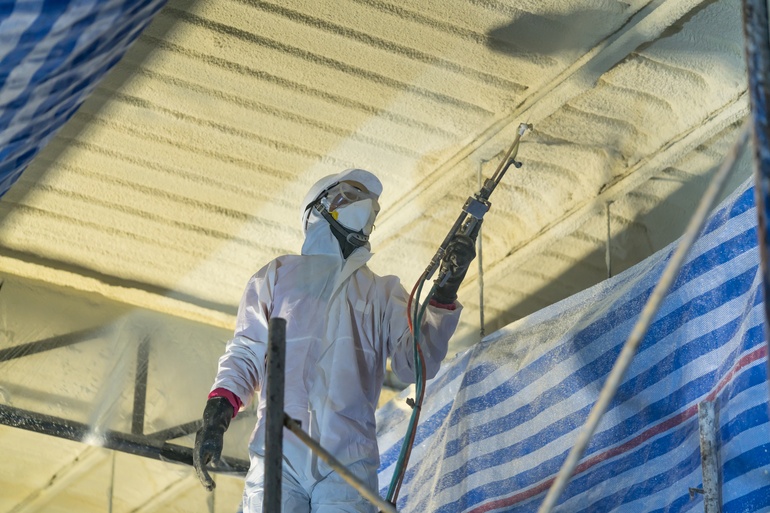
You know the feeling when a job goes perfectly. The equipment hums, the chemical yield is high, and the finished product looks like a seamless blanket of cream. But you also know the frustration of a day where nothing seems to go right.
Consistency is the name of the game in the spray foam business. We’re going to break down the essential steps to achieving flawless spray foam insulation so you can minimize downtime and maximize your profit on every rig.
It Starts With Temperature Control
Chemical manufacturers give you spec sheets for a reason. Ignoring the temperature guidelines is the fastest way to ruin a perfectly good install. You need to continuously monitor the ambient air temperature, the substrate surface temperature, and the temperature of the chemical in the hose.
If your substrate is too cold, the foam will drip or peel off, and if your hose heat is too high, you might char the foam or cause it to react too quickly. You have to treat the environment like a variable you can control. Use heaters if the house is freezing, and cool down the truck if it’s sweltering outside.
Know Your Rig Inside and Out
The best sprayers are half-mechanic. You can’t rely on a tech support line when you are three hours away from the shop and the gun starts malfunctioning. Understanding the key features of urethane foam spray equipment helps you troubleshoot before a minor issue becomes a day-ending shutdown.
You need to grease the gun daily and clean the filters regularly. A clogged Y-strainer creates a pressure imbalance that throws your ratio off immediately. Keep spare O-rings and seals in the truck at all times!
Perfecting the Application Technique
Even with perfect heat and a clean machine, the human element determines the final look. Your distance from the substrate changes the texture. If you stand too close, you blow the foam around, creating a rough, inconsistent surface. If you stand too far back, you lose control and waste material.
You want to move your body, not just your wrist. Keep the gun perpendicular to the surface and maintain a consistent speed. Think of it like painting a car. You want wet passes that overlap slightly to build uniform thickness without creating valleys or voids. If you see color changes or separation, stop spraying immediately. It is much easier to scrape off two feet of bad foam than an entire attic.
Consistency Builds Reputation
Getting the job done right the first time keeps your phone ringing with new business rather than complaints from frustrated homeowners. It all comes down to careful preparation and paying close attention to the details that other contractors often ignore. When you consistently master your temperatures, properly maintain your gear, and refine your spraying motion, you solve the puzzle of how to achieve flawless spray foam insulation. This commitment to quality builds a strong reputation and ensures lasting results.