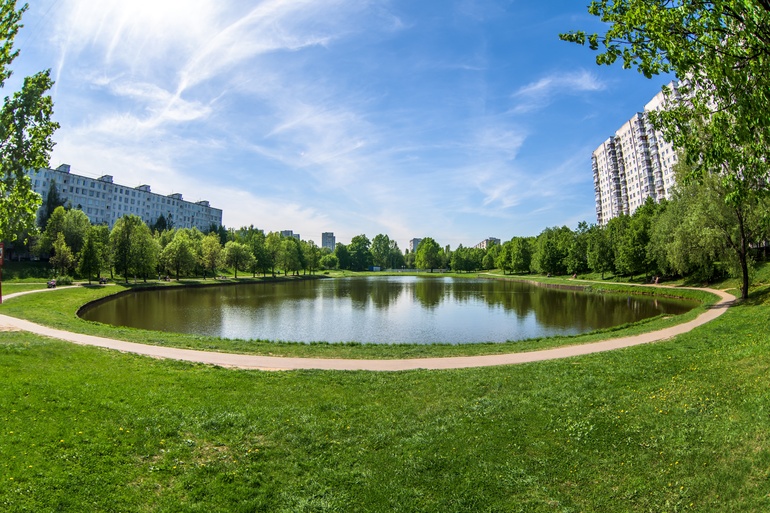
Commercial water features lose their efficiency, appearance, and value without routine updates. Whether located at golf courses, civic centers, or agricultural sites, they face inevitable wear from weather, use, and chemicals.
Renovation offers more than visual upgrades—it protects infrastructure and supports long-term environmental goals. A sustainable approach makes your feature function better and last longer.
Evaluate Existing Systems Before Renovation
Inspections help decision-makers identify whether components still meet flow requirements, hold structural integrity, or waste water through hidden leaks. A full system assessment often uncovers issues in pumps, filtration, or underground piping that visual checks miss. Starting with diagnostics prevents unnecessary replacements and keeps renovation efforts targeted.
Ignoring evaluation can lead to overbuilding, overspending, and avoidable environmental impact. A professional audit sets the baseline for smarter upgrades and long-term sustainability. Any team looking to renovate commercial water features sustainably should treat evaluation as the foundation—not as an afterthought.
Upgrade to Energy-Efficient Pumps and Controls
Older pumps drain energy quickly and often over-circulate water beyond functional needs. Swapping in variable-speed pumps and modern filtration units allows control over both flow rate and power consumption. Automated timers and system monitoring eliminate waste during low-traffic hours and off-peak periods.
Many sites still run fixed-speed equipment that operates 24/7, even when no one benefits from the flow. Energy-efficient upgrades reduce emissions, lower bills, and deliver better performance in high-demand cycles. Moving to smarter equipment is a key step in future-focused water management.
Use Protective Measures Like Liners and Natural Barriers
A quality liner retains water while protecting soil and nearby groundwater from exposure to treated runoff. Unlike surface sealants, a professionally installed liner minimizes seepage and prevents erosion under high-volume flow. Adding splash guards and vegetative buffers improves edge stability and reduces chemical runoff into surrounding land.
Every protective feature plays a role in maintaining function while limiting environmental disruption. Regular lake-liner care prevents failure that could trigger larger infrastructure issues. Any operation aiming to renovate commercial water features sustainably must view containment and boundary protection as essential and not optional.
Reuse Existing Materials Where Possible
Many renovation teams toss out stone, concrete, or support structures that still have decades of life left. With a proper plan, those materials can be cleaned, reset, or integrated into a revised design without hauling in new stock. Proper reuse cuts landfill waste, transportation costs, and embodied energy tied to new extraction.
Beyond cost savings, retaining original materials keeps features visually consistent with surrounding infrastructure. Smart reuse becomes a design asset, not a limitation. Sustainable upgrades prioritize what can be saved before thinking about what can be replaced.
Incorporate Native Landscaping and Permeable Surfaces
Native plants around water features create wildlife habitats, reduce irrigation needs, and prevent erosion better than decorative imports. Grasses, shrubs, or trees adapted to local soil require less fertilization and maintenance across seasons. They also filter stormwater runoff before it reaches drains or water bodies.
Permeable walkways or border areas allow rainfall to settle naturally rather than flooding curbs or drainage systems. These walkways reduce sediment loading and support water table recharge. Infrastructure becomes cleaner, greener, and more efficient with the right ground strategy.
Long-term success depends on a clear understanding of function and environmental balance. A renovation should solve problems—not create new ones.