Open floor plans have become a hallmark of modern living, favouring light, flow, and flexibility over fixed walls. While this layout creates a sense of openness, it can also blur the boundaries between everyday activities.
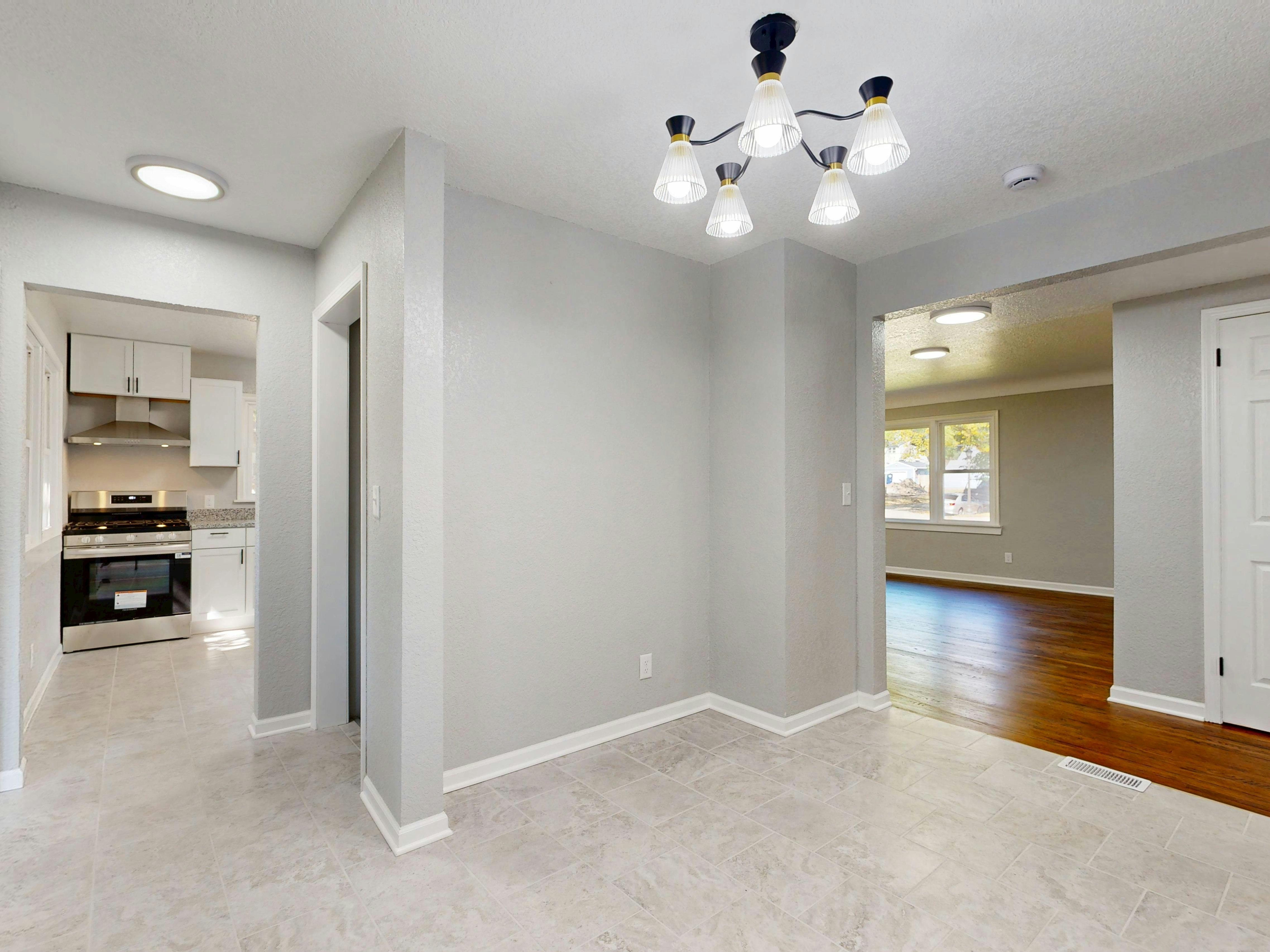
Without clear separation, cooking, relaxing, dining, and socialising can start to overlap in ways that feel noisy or disorganised. However, carpets offer an elegant solution. They allow you to define individual zones while preserving the open feel of the space.
With the right choices, rugs can bring structure, comfort, and visual clarity to even the most expansive layouts.
Understanding the Challenges of Open Floor Plans
Open-plan homes feel spacious, modern, and social, but they come with distinct challenges that require thoughtful design. The very openness that makes these layouts appealing can also create issues with acoustics, privacy, and visual organisation.
Sound travels easily across large, uninterrupted spaces, so the clatter of a kitchen or the hum of a television in the living area can intrude into adjacent zones.
This can make it difficult to enjoy different activities simultaneously, whether it’s hosting guests, working from home, or allowing children to play.
Visual clutter is another concern. Without walls or physical boundaries, furniture, décor, and even everyday items like toys or magazines can spill across the room, creating a sense of disorder.
When areas are not clearly defined, the eye struggles to understand where one space ends and another begins, which can make even a large room feel chaotic or unfinished.
Privacy is naturally reduced as well. In homes where multiple people are sharing one open area, it can be tricky to find corners for quiet or concentration. Without subtle design interventions, the sense of calm and retreat that separate rooms traditionally provide is lost.
This is where carpets come in as a versatile solution. Rather than adding permanent walls, rugs introduce soft, visual boundaries that define spaces while maintaining openness.
Why Carpets Work So Well in Open Spaces
Carpets are one of the most effective tools for making open-plan areas feel cohesive, comfortable, and functional.
In large, shared spaces, the lack of walls or partitions can leave rooms feeling impersonal or unfinished. The texture, colour, and pattern of a rug immediately introduce personality, creating warmth and visual interest that anchors furniture and décor.
Whether it’s a vibrant, patterned carpet in a living area or a soft, neutral rug in a quiet reading corner, these surfaces help define zones while enhancing the overall aesthetic.
A well-chosen carpet absorbs sound, softening footsteps, conversations, and background noise, making the space feel calmer and more inviting. This is particularly valuable in homes where multiple activities occur simultaneously, such as cooking, working, or socialising.
Carpets also improve thermal comfort. They provide an extra layer of insulation, keeping feet warm in cooler months and contributing to the overall temperature regulation of the room.
This tactile comfort encourages people to linger in defined areas, turning open spaces into cosy, usable zones rather than empty expanses.
Functionally, carpets subtly guide movement and traffic flow. A rug placed under a seating area or dining table naturally signals where people should walk, sit, or gather.
By directing movement in this way, carpets help maintain a sense of order and organisation without the need for physical barriers. Combined with colour and pattern, they become a practical, decorative, and unifying element in any open-plan design.
Choosing the Right Rug Size for Each Zone
Size is one of the most important factors when using carpets to define areas. A rug that is too small can make furniture feel disconnected, while an oversized one can overwhelm the room.
In living areas, the rug should sit beneath at least the front legs of sofas and chairs, visually anchoring the seating arrangement.
As for dining spaces, it’s best to have enough coverage for both the table and chairs, even when they are pulled out.
Similarly, in transitional areas such as entryways or walkways, runners should match the proportions of the space to create a welcoming, intentional path. Well-proportioned rugs help each zone feel complete and thoughtfully designed.
Harmonising Colours, Patterns, and Textures
Colour and texture are key to maintaining cohesion in an open-plan home. Light-toned carpets reflect natural light and make spaces feel larger, while deeper hues introduce warmth and intimacy.
Using contrast thoughtfully can help distinguish zones without disrupting the overall design. A lighter, understated carpet may suit a dining area, while a darker or more textured option adds cosiness to a seating zone.
Patterns are another feature you can employ to create stunning effects. Choose motifs that enhance rather than compete, adding interest while remaining connected to the wider palette.
Texture also matters. Plush carpets invite relaxation, while flatweaves or low-pile rugs work well in practical areas such as dining spaces. When chosen carefully, these elements link rooms visually while allowing each zone to stand on its own.
Creating Functional Zones with Carpets
Carpets are especially effective for defining how open spaces are used. A soft, generous rug can bring a seating area together, making it feel intimate within a larger room.
In dining zones, durable, low-pile carpets handle frequent movement and the occasional spill without compromising style.
Rugs can also guide movement through an open-plan layout, much like a corridor would in a traditional home.
Selecting materials based on activity levels is essential. High-traffic areas benefit from hard-wearing, stain-resistant options, while quieter zones allow for softer, more luxurious textures.
Used thoughtfully, carpets introduce order and comfort without breaking the visual flow of the space.
Keeping Carpets Looking Their Best
Regular maintenance helps carpets maintain their appearance and performance in open-plan homes.
The most important step is removing dust and debris. High-traffic zones should be vacuumed more frequently to prevent dirt from settling into the fibres, while quieter areas require less frequent attention.
Spills come as a close second. They should be addressed promptly using gentle cleaning methods to protect colour and texture.
But even when you do all this, over time, professional cleaning becomes especially valuable. Annual steam carpet cleaningrefreshes carpets, removes embedded dirt, and helps preserve their structure, particularly in busy, multi-use spaces.
Conclusion
Carpets are a practical and stylish way to bring structure to open-plan living. They define zones, soften acoustics, and add warmth without closing off the space.
With thoughtful choices in size, colour, and texture, rugs can transform large, open layouts into well-organised, inviting homes.
When paired with proper maintenance, they help create interiors that feel calm, cohesive, and effortlessly functional while still reflecting your personal style.