
Play is an essential part of childhood, but it is more than just a fun way to pass the time. Play is how children explore the world, develop critical thinking skills, build confidence, and nurture their creativity. Choosing the right toys can significantly impact a child’s cognitive, social, and physical growth.
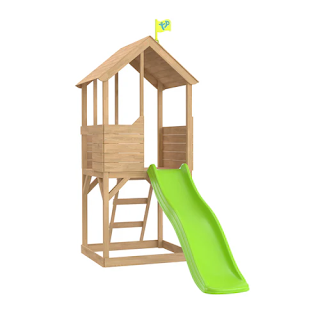
In particular, a wooden climbing frames with slide and Kids Tree House stand out as powerful tools for childhood development. These play structures provide opportunities for active engagement, fostering not only physical strength but also problem-solving skills and social interaction.
In this article, we will explore the importance of play, how specific toys can contribute to a child’s development, and why investing in the right play equipment can help children thrive.
The Importance of Play in Child Development
Children learn best when they are actively engaged in their environment. Play is not just entertainment; it is an essential component of development. Research suggests that different types of play contribute uniquely to a child’s growth, and a well-balanced play environment should incorporate multiple forms of play, such as:
- Physical play (e.g., running, climbing, jumping) supports gross motor development, strength, and coordination.
- Imaginative play (e.g., pretend play, role-playing) nurtures creativity, emotional expression, and storytelling abilities.
- Constructive play (e.g., building blocks, puzzles) helps with problem-solving and enhances fine motor skills.
- Social play (e.g., group games, cooperative play) fosters communication, cooperation, and empathy.
The Benefits of Active Play
Active play is particularly important because it helps children build strength and endurance, improves their motor skills, and encourages a healthy lifestyle. Encouraging outdoor play has additional advantages, such as increased exposure to nature, fresh air, and a break from screen time.
Among the many types of play equipment available, wooden climbing frames with slides and kids’ tree houses provide some of the best opportunities for holistic childhood development. These structures offer a combination of physical activity, creative engagement, and social interaction, making them an excellent investment for families.
Wooden Climbing Frames with Slides: A Foundation for Physical and Cognitive Growth
A wooden climbing frame with a slide is more than just a fun addition to the backyard—it plays a crucial role in childhood development. These structures encourage children to move, climb, and explore, helping them develop essential life skills in the process.
1. Physical Development and Motor Skills
Climbing requires children to engage multiple muscle groups, promoting full-body development. When children climb ladders, navigate monkey bars, or slide down, they improve their:
- Gross motor skills – Strengthening large muscle groups in their arms, legs, and core.
- Balance and coordination – Learning how to navigate obstacles safely and effectively.
- Hand-eye coordination – Developing precision as they grip and maneuver through the frame.
Regular use of a climbing frame also enhances cardiovascular fitness, as climbing, running, and sliding all contribute to heart health.
2. Encouraging Problem-Solving and Strategic Thinking
Climbing frames present natural challenges that require children to think critically. They must decide the best way to climb, determine their next steps, and evaluate the safest way to descend. This process strengthens:
- Decision-making skills – Choosing the best route up or down.
- Spatial awareness – Understanding their position relative to the structure.
- Risk assessment – Learning to take calculated risks in a controlled environment.
3. Building Confidence and Independence
Successfully climbing to the top of a frame and sliding down builds self-confidence. It teaches children perseverance and resilience, as they push past challenges to accomplish their goals. This type of play fosters independence and helps children feel capable and in control of their actions.
4. Social Development and Cooperation
Climbing frames also encourage social play. When multiple children use the same equipment, they naturally learn to:
- Take turns – Waiting for their chance to slide or climb.
- Support each other – Helping a friend climb higher.
- Work together – Creating games or imaginary scenarios together.
By interacting with their peers, children develop essential social skills such as empathy, patience, and teamwork.
5. Connection to Nature and Outdoor Play
With increasing screen time and indoor activities, children are spending less time outside. Wooden climbing frames with slides provide a fun reason to step outdoors, offering the added benefits of fresh air, sunshine, and natural surroundings. Research has shown that outdoor play reduces stress, enhances mood, and improves focus—key factors in overall well-being.
Kids’ Tree Houses: A Sanctuary for Creativity and Exploration
A kids’ tree house is more than just a structure; it is a space that fosters imagination, independence, and adventure. Tree houses provide children with their own world to explore, whether it’s a secret hideout, a clubhouse, or a magical castle.
1. Stimulating Creativity and Imaginative Play
Tree houses naturally encourage imaginative play. When children enter their tree house, they step into a world of possibilities. It can be transformed into:
- A pirate ship sailing across the ocean.
- A castle where they reign as royalty.
- A secret headquarters for young detectives or superheroes.
This type of role-playing is essential for cognitive and emotional development, as it allows children to create stories, express emotions, and explore different characters and scenarios.
2. Fostering a Sense of Ownership and Responsibility
Having a kids’ tree house gives children a space to call their own. This sense of ownership encourages them to take responsibility for maintaining their space, keeping it tidy, and even decorating it. These small responsibilities help develop organisational skills and independence.
3. Providing a Safe and Private Space
A tree house serves as a retreat where children can enjoy solitude, reflect, or engage in quiet activities such as reading, drawing, or writing. This ability to step away from distractions and find a peaceful place fosters emotional regulation and self-awareness.
4. Encouraging Social Play and Bonding
When shared with siblings or friends, a tree house becomes a hub for social interaction. Children collaborate on adventures, negotiate roles in their games, and learn to communicate effectively. It also strengthens friendships and promotes positive social experiences.
5. Increasing Outdoor Engagement and Connection with Nature
Spending time in a tree house strengthens a child’s bond with nature. Whether observing wildlife, listening to the wind in the leaves, or feeling the texture of tree bark, these experiences cultivate an appreciation for the natural world. This connection has been linked to improved mental health, reduced stress levels, and enhanced concentration.
Choosing the Right Play Equipment for Maximum Benefits
When selecting a wooden climbing frame with slide or a kids’ tree house, consider the following:
- Safety – Ensure the structure is made from high-quality, durable materials and meets safety standards.
- Age Appropriateness – Choose a design that matches your child’s developmental stage.
- Encouragement of Multiple Skills – Select equipment that promotes physical, social, and cognitive development.
- Weather Resistance – Look for structures treated for outdoor durability.
- Space Considerations – Ensure there is enough room for safe play around the structure.

Final Thoughts: Learning Through Play
Play is one of the most powerful tools for childhood development. By providing children with high-quality play equipment such as wooden climbing frames with slides and kids’ tree houses, parents can create an environment that fosters physical health, creativity, confidence, and social skills.
Encouraging play-based learning ensures children develop essential life skills while having fun. Investing in the right toys is not just about entertainment—it’s about building a strong foundation for a bright and capable future. So, let your child climb, explore, and imagine—their development depends on it!