
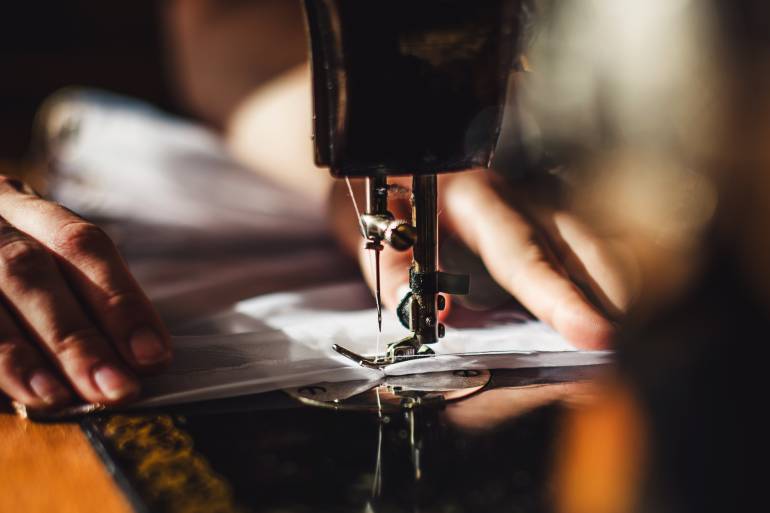
Durable sewn products combine functionality, durability, and design to meet a wide range of consumer and industrial needs. These products are crucial for the development of safety equipment in medical and technological fields.
Producing high-quality sewn products requires a thorough understanding of materials, stitching techniques, and industry standards. Meeting the quality standards for durable sewn products guarantees that they can withstand wear and tear, meet regulatory requirements, and satisfy customers.
Material Selection and Testing
High-quality threads and fabrics must withstand wear and tear while maintaining their original form and functionality. Manufacturers often prioritize waterproof fabrics, fire-resistant textiles, or stretchable materials that fit the project. Rigorous testing ensures every component meets predetermined standards. Tensile strength evaluations and abrasion resistance measurements verify that materials can endure the stresses they will face during use.
Compliance With Industry Regulations
Manufacturers of sewn products must adhere to different industry regulations and certifications. Depending on the intended use of the product, standards such as ISO 9001 for quality management systems or ASTM F/P standards for product safety may apply. Compliance protects consumers and shields companies from legal repercussions. Staying updated on changing regulations is vital for maintaining credibility in the market.
Precision in Manufacturing Processes
Beyond material selection, the manufacturing process affects the quality of sewn products. Manufacturers employ skilled workers and advanced machinery to achieve consistency in stitch length, seam strength, and tension. The role of contract sewing in manufacturing goods is significant in handling complex or high-volume production needs, bringing expertise and attention to detail so that products meet project standards.
Continuous Quality Assurance
Maintaining quality standards requires continuous monitoring and quality assurance. Manufacturers regularly perform inspections at various stages of production to catch defects and minimize errors. Statistical quality control methods, such as Six Sigma, analyze processes and identify areas for improvement. Many companies use customer feedback as a tool to enhance product quality.
Sustainability and Future Trends
Consumers increasingly seek eco-friendly materials and ethically produced goods that do not compromise durability. Manufacturers respond by adopting greener practices, such as using recycled or biodegradable fabrics and reducing production waste. Automated sewing machines, 3D printing for prototypes, and data-driven analytics will enable manufacturers to refine their processes and deliver exceptional products.
Meeting quality standards for durable sewn products ensures successful and reputable manufacturing. Understanding and implementing these standards ensures business leaders stay competitive and in line with the evolving demands of their industries.