
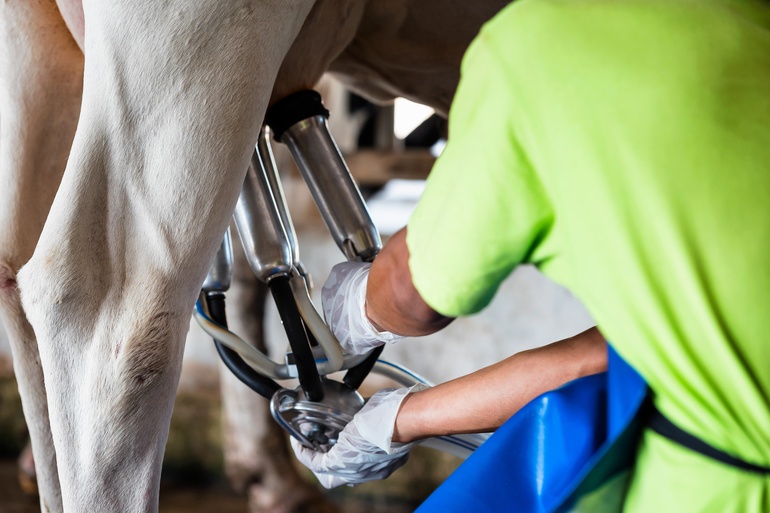
Milking tubes don’t draw attention until they start causing problems. They work hard every day, moving milk through the system while enduring moisture, cleaning chemicals, pressure changes, and constant handling. Over time, that daily wear can affect milk flow, equipment performance, and sanitation.
A worn tube may look harmless at first glance. Still, small changes in texture, fit, or flexibility can signal bigger trouble. When you know what to look for, you can replace tubes before they disrupt the whole milking routine. These are the signs it’s time to replace dairy milking tubes.
Cracks and Splits
Visible cracks offer one of the clearest signs that a tube needs replacement. Even a thin split can trap residue, collect bacteria, and weaken the tube during use. Run your fingers along the tubing and look closely near bends, connection points, and areas that flex often.
If the surface feels rough, dry, or brittle, the material has started to break down. A healthy tube should feel smooth and flexible. Once cracks appear, cleaning won’t restore the material.
Cloudy or Discolored Tubing
Clear or lightly tinted tubes can change color after repeated use. Some discoloration comes from milk residue, minerals, or cleaning products. Deep staining, cloudiness, or dark patches can mean the tube no longer cleans properly.
Don’t ignore discoloration that returns quickly after washing. That kind of staining can signal buildup inside the tube wall or surface damage that holds debris. Clean-looking equipment supports a cleaner milking process, and tubing plays a big role in that daily standard.
Poor Fit at Connections
Milking tubes require a snug, reliable fit. If a tube slips, twists, or feels loose at the connection, it can compromise suction and milk transfer. A poor fit also adds frustration during setup and cleanup.
Sometimes the tube stretches after repeated removal and reattachment. Once the opening loses its shape, it can’t grip the fitting properly. Replacement saves time and helps keep the milking system running smoothly.
Leaks During Milking
A leak can cause pressure loss, uneven milk flow, and unnecessary downtime. You might hear a faint hiss, see milk dripping, or notice reduced suction during a session. Once you’ve identified a leak, inspect the full tube instead of patching one spot and moving on.
Leaks often point to worn material, weak seams, or damaged ends. A temporary fix may get you through one milking, but replacement gives you a more dependable solution.
Changes in Flexibility
Good milking tubes bend without kinking or collapsing. If a tube feels too stiff, too soft, or sticky, the material has changed. Heat, cleaners, milk fat, and age can all alter the tube’s structure.
Kinks can restrict flow and create extra strain on the equipment. Sticky or gummy surfaces can attract grime and make handling unpleasant. When the tube no longer moves or cleans the way it should, replacement makes practical sense.
Keep the System Working Well
Dairy milking tubes may seem like simple parts, but they carry a lot of responsibility. Cracks, leaks, discoloration, poor fit, and texture changes all tell you the same thing. It’s a sign you’ll need to replace the milking tube. The tube has reached the end of its useful life.
Regular checks help you catch these signs early and avoid bigger headaches in the parlor. When you replace worn tubing on time, you protect milk quality, support smoother milking, and keep the day running with fewer surprises.