Learning smart ways to improve building accessibility makes them easier to use for everyone, not just individuals with disabilities. Designers and property owners now prioritize comfort, safety, and independence in shared spaces.
Small changes often deliver big improvements without requiring full renovations. These strategies help create environments that feel welcoming and practical for every visitor.
Focus on Clear and Open Pathways
Wide, uncluttered pathways allow people to move through a building with ease. Hallways should accommodate mobility aids and strollers without forcing tight turns. Designers can improve flow by removing unnecessary furniture and adjusting layouts. Smooth flooring also reduces tripping hazards and improves overall navigation.
Upgrade Entry Points for Ease of Access
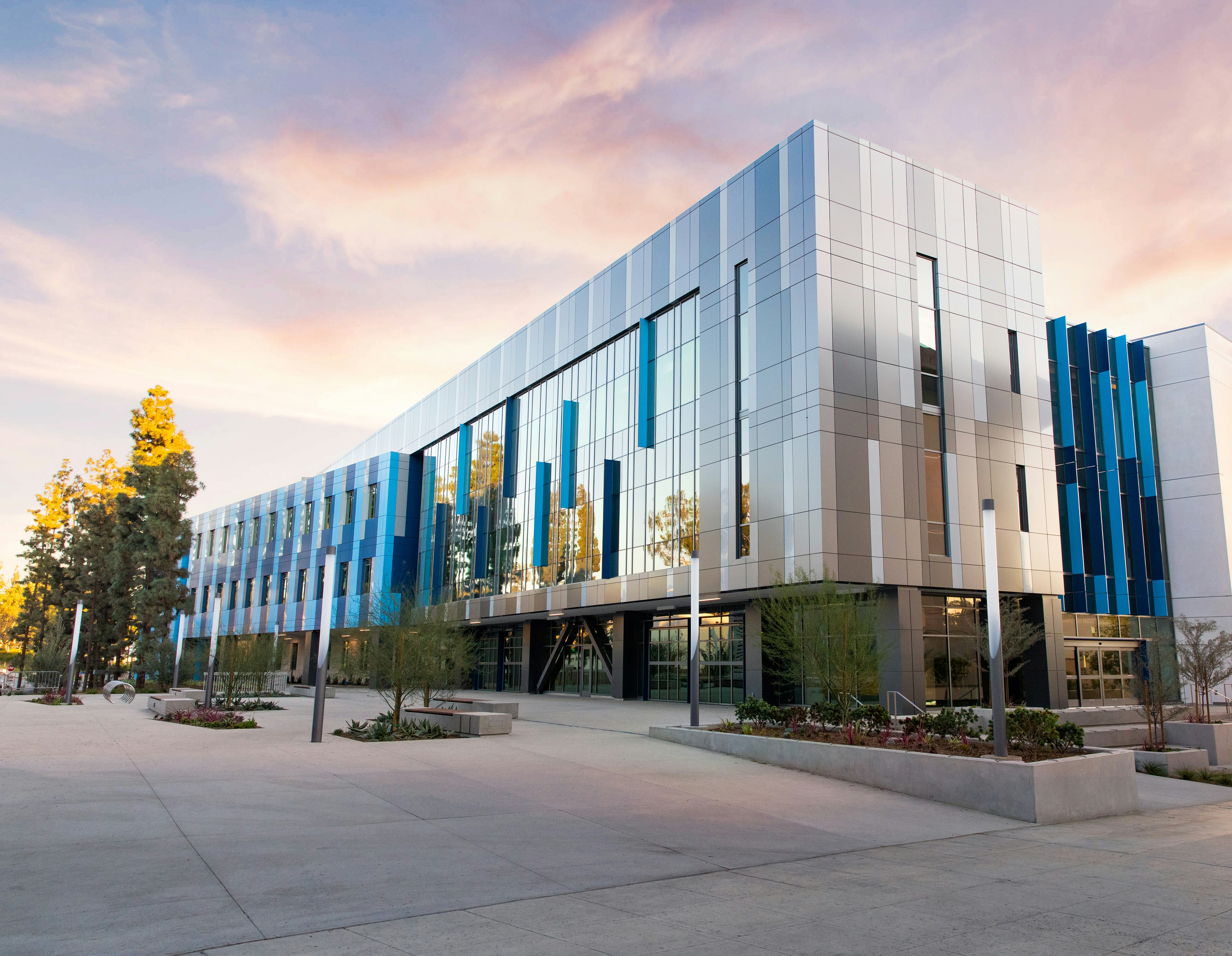
Entrances set the tone for the entire building experience. Ramps with gentle slopes provide a safer alternative to stairs for many users. Property owners often ask whether automatic doors or manual doors are best when upgrading entrances, and the answer depends on traffic flow and user needs.
Automatic doors typically offer greater convenience, especially in high-traffic or public buildings. However, manual doors also work well in some businesses, depending on your facility’s needs.
Improve Signage and Wayfinding
Clear signage helps people move confidently through unfamiliar spaces. Large fonts and simple language improve readability for everyone. Braille and tactile signs support individuals with visual impairments. Consistent placement of signs also reduces confusion and saves time.
Enhance Restroom Accessibility
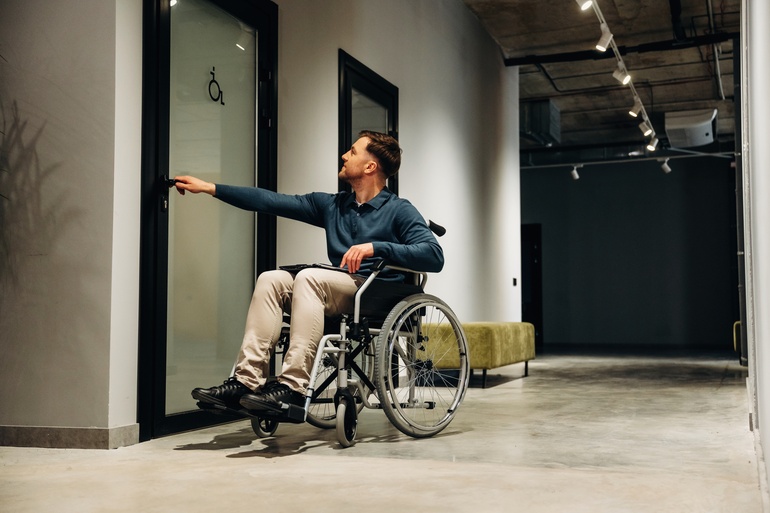
Accessible restrooms play a critical role in building usability. Wider stalls, grab bars, and lower sinks allow more people to use facilities independently. Touchless fixtures improve hygiene and simplify operation for users with limited hand strength. Thoughtful layouts ensure enough space for maneuvering without obstacles.
Incorporate Smart Accessibility Features
Technology offers simple ways to improve accessibility without major construction. Motion-sensor lighting helps users navigate spaces safely without searching for switches. Elevators with voice announcements and large buttons improve usability for diverse groups. Building owners can also integrate mobile apps that provide navigation assistance or building information.
- Install motion-sensor lighting in hallways and entry areas
- Add tactile indicators near stairs and ramps
- Choose lever-style door handles instead of round knobs
- Provide seating areas in large or high-traffic spaces
Prioritize Inclusive Design from the Start
Accessibility works best when designers include it from the beginning of a project. Retrofitting spaces often costs more and limits design flexibility. Architects can plan layouts that naturally support a wide range of users without drawing attention to specific features. Inclusive design creates spaces that feel seamless rather than modified.
Smart accessibility improvements in buildings benefit everyone who enters. These updates create safer, more efficient, and more welcoming environments for daily use. Property owners who invest in accessibility often see higher satisfaction and better long-term value. Simple, thoughtful changes make a lasting impact on how people experience a space.