
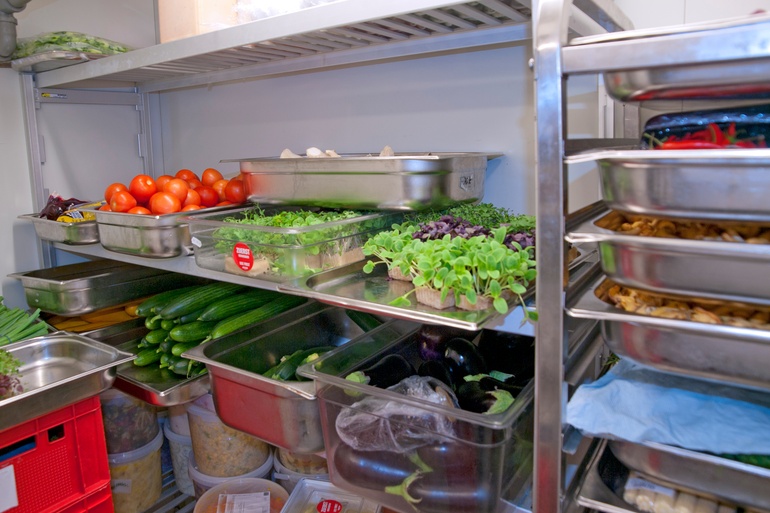
When it comes to temperature-sensitive products, keeping them at the right temperature is key to maintaining quality and reducing waste. Whether you’re handling food, pharmaceuticals, or other delicate items, proper storage is a must! Use these practical tips to protect your products and avoid unnecessary losses.
Know Your Product’s Needs
Every temperature-sensitive product has a preferred storage range. Fresh produce, for example, might need humidity control as well as cooling, while vaccines have strict temperature limits.
Start by understanding the exact requirements for the items in your care. This means reading labels, manufacturer guidelines, or consulting industry standards. Once you know the specifics, you’ll be in a better position to store them the right way.
Invest in Reliable Monitoring Tools
Temperature fluctuations can happen without warning, and they can ruin sensitive items quickly. Use tools like digital thermometers, data loggers, and temperature alarms to keep an eye on conditions.
Many modern systems even allow you to monitor updates in real time through your smartphone or computer. Knowing what’s happening at all times gives you the chance to step in if something goes wrong.
Optimize Cold Storage or Reefer Units
If you’re looking into warehouse storage solutions for sensitive products, a reefer (refrigerated) unit or specialized cold storage is an excellent solution. These units are designed to maintain consistent temperatures, even during transport.
When choosing a reefer or storage setup, consider features like adjustable temperature controls and airflow design. And don’t forget regular maintenance! Clean the units frequently and schedule check-ups to keep them running efficiently.
Keep Storage Layout in Mind
How you organize your storage space matters. Overcrowding shelves or packing items too tightly can block airflow and create temperature inconsistencies.
Leave enough space between items to allow air to circulate evenly. Group similar products together so you can adjust storage conditions for each section more easily.
Have a Backup Plan
Power outages or equipment failures can quickly compromise temperature-sensitive goods. Prepare a contingency plan by having portable generators or backup systems ready to go.
Dry ice or gel packs can also help keep small quantities chilled in an emergency. Planning ahead protects your valuable inventory when unexpected issues arise.
Consistent Staff Training
None of these strategies will work without a well-informed team. Train your staff on the proper handling and storage of temperature-sensitive products. Ensure they know how to read monitoring tools, load storage units correctly, and respond to emergencies.
The way you store temperature-sensitive goods directly impacts their quality and value. By understanding your product, using the right tools, and planning for potential problems, you can keep your inventory safe and stable. Protecting your products doesn’t have to be complicated; it just takes the right strategies and a little extra care.