Designing outdoor spaces for social interactions is a growing trend for businesses seeking to create inviting and engaging environments for their customers and employees. However, one aspect often overlooked is the inclusion of shade in these areas.
Shade plays an important role in enhancing comfort while promoting well-being and sustainability. We’re taking a moment to discuss the importance of shade over social areas to bring increased awareness to this easy-to-overlook feature.
The Science Behind Shade
Direct sunlight can have profound effects on people and spaces. Prolonged exposure to UV rays increases the risk of skin issues, including sunburn and long-term skin damage, while heat from the sun raises the likelihood of overheating. Additionally, unshaded spaces tend to suffer from rapid furniture deterioration, with materials like plastic and fabric fading or cracking under intense sunlight.
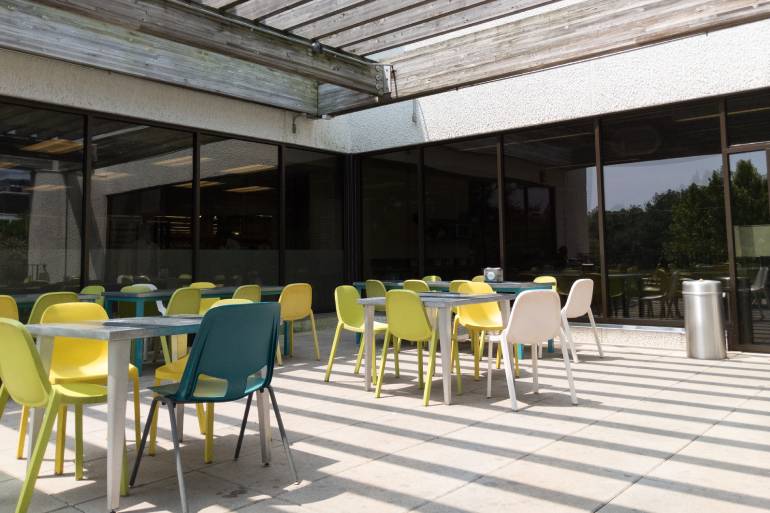
Shade reduces these impacts by naturally limiting exposure to UV rays and lowering temperatures in outdoor spaces, creating healthy mid-door environments that serve aesthetic and functional purposes. By designing shaded areas, businesses can provide protection from these harsh elements, extend the lifespan of furniture, and create conditions that are more appealing for people.
Enhancing Comfort and Enjoyment
Well-considered shade structures significantly improve comfort levels in outdoor social areas. Nobody wants to sit in a space where it’s uncomfortably hot or brightly glaring. Providing shade transforms these areas into more enjoyable spaces and encourages people to gather and stay longer.
For example, cafes that integrate overhead umbrellas or pergolas have reported increased dwell times, as customers can comfortably relax while sipping their drinks. Similarly, workplaces that implement shaded rest zones in outdoor courtyards notice greater employee engagement and productivity during breaks. This creates a welcoming atmosphere that people actively want to spend time in while reflecting positively on businesses.
Protecting Against Health Risks
There’s no denying the risks associated with prolonged sun exposure. Those who remain in direct sunlight for extended periods face risks, such as sunburn, heat exhaustion, and, more seriously, melanoma and other forms of skin cancer. For businesses, ensuring the safety of customers, employees, and visitors is a critical priority.
Shade acts as a preventative measure by mitigating these health hazards. Whether it’s guests at a hotel poolside or patrons dining at an outdoor restaurant, properly shaded areas provide an essential layer of protection. Ensuring that outdoor spaces prioritize shade demonstrates a business’s commitment to safety and well-being.
Designing Effective Shade Structures
The effectiveness of shade solutions depends largely on design. The orientation of sun paths, the choice of materials, and the types of shade structures used all play critical roles in achieving functionality and visual appeal.
Businesses have successfully implemented innovative solutions, such as retractable shade sails, pergolas with green rooftop coverings, and modern awnings that complement their brand aesthetic. These are practical and elegant solutions that elevate overall appeal.
The importance of shade over social areas goes beyond aesthetic or functional purposes. It creates healthy mid-door environments where people can connect, collaborate, and recharge safely and comfortably. Providing shade in outdoor areas is a step toward fostering sustainability and well-being.