
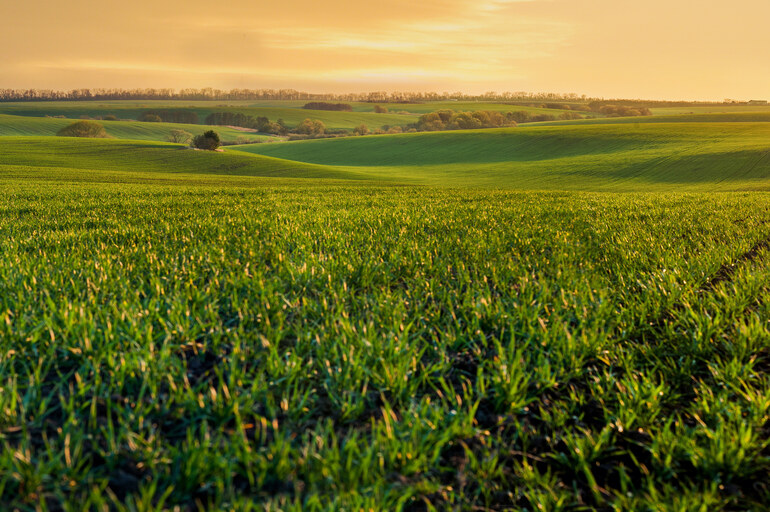
Farmland is more than just land; it’s a critical investment for farmers looking to expand their operations or enter the agricultural industry. Understanding what drives farmland prices can help farmers make more informed decisions when buying or selling property. This guide breaks down the most significant factors influencing farmland values so you can make smarter investment choices.
Location and Accessibility to Markets
The location of the farmland plays an enormous role in its value. Farms near major markets or infrastructure like highways generally fetch higher prices because they reduce transportation costs. Proximity to processing facilities or ports can also boost value since it saves farmers time and money to market their products quickly.
Soil Quality and Productivity
Farmland is only as good as its soil. Properties with nutrient-rich, fertile soil often have a higher price tag because they require fewer inputs for high yields. Tools like soil maps and test kits can reveal the health of the land and help you evaluate whether a piece of farmland is a worthwhile investment. High productivity means less guesswork, making the property more attractive to potential buyers.
Water Availability and Irrigation Rights
Water is essential for any farming operation, so land with consistent access to water, whether through natural sources like rivers or existing irrigation systems, tends to be highly sought after. Additionally, irrigation rights or water permits can significantly influence the price. This influence is especially true in areas prone to droughts or those with strict water management regulations.
Size and Shape of the Land Parcel
The dimensions of the land will matter more than people realize. Larger tracts of land can provide economies of scale for farming operations, but oddly shaped plots may pose challenges for machinery and cropping patterns. Investing in land that aligns with your equipment and crop plans is worth considering whether you want to expand or start fresh.
Commodity Prices and Market Trends
If crop prices are high, farmland values typically rise as well. Market trends, such as booming demand for certain crops or biofuel raw materials, can increase farmland prices. Keeping a close eye on commodity prices can help you decide if it’s the right time to purchase farmland. Watch how trends could impact the long-term profitability of a potential investment.
Interest Rates and Financing Options
The cost of borrowing influences what buyers are willing (and able) to pay for land. When interest rates are low, financing is more affordable, leading to increased demand for land and, subsequently, higher prices. Monitoring interest rate trends can guide your buying decision when financing provides the best value.
Government Policies and Subsidies
Government policies, whether local or national, can either enhance or reduce the value of farmland. Programs like agricultural subsidies, conservation initiatives, or tax incentives often affect the final price. Conversely, regulations limiting land use may lower demand, helping you secure a more affordable deal.
An array of interconnected factors shapes farmland prices, and understanding these can help position you for success in the market. Whether you’re expanding your operation or purchasing your first piece of farmland, knowing when to act can impact your bottom line. If you’re considering a purchase, start evaluating these factors to make the most of your opportunity.