
Summer has a way of making house problems seem a lot less serious than they actually are, right? No, really, think about it for a second here, the sun’s out, the place feels lighter, windows are open, nobody’s standing in a freezing room muttering about drafts, at best you might be sweating a bit during a heatwave, but other than that, no real problem. Maybe until autumn. Maybe until later in the year. Maybe until it feels more urgent. And yeah, that’s usually how people end up absolutely hating their house by the time winter rolls around.
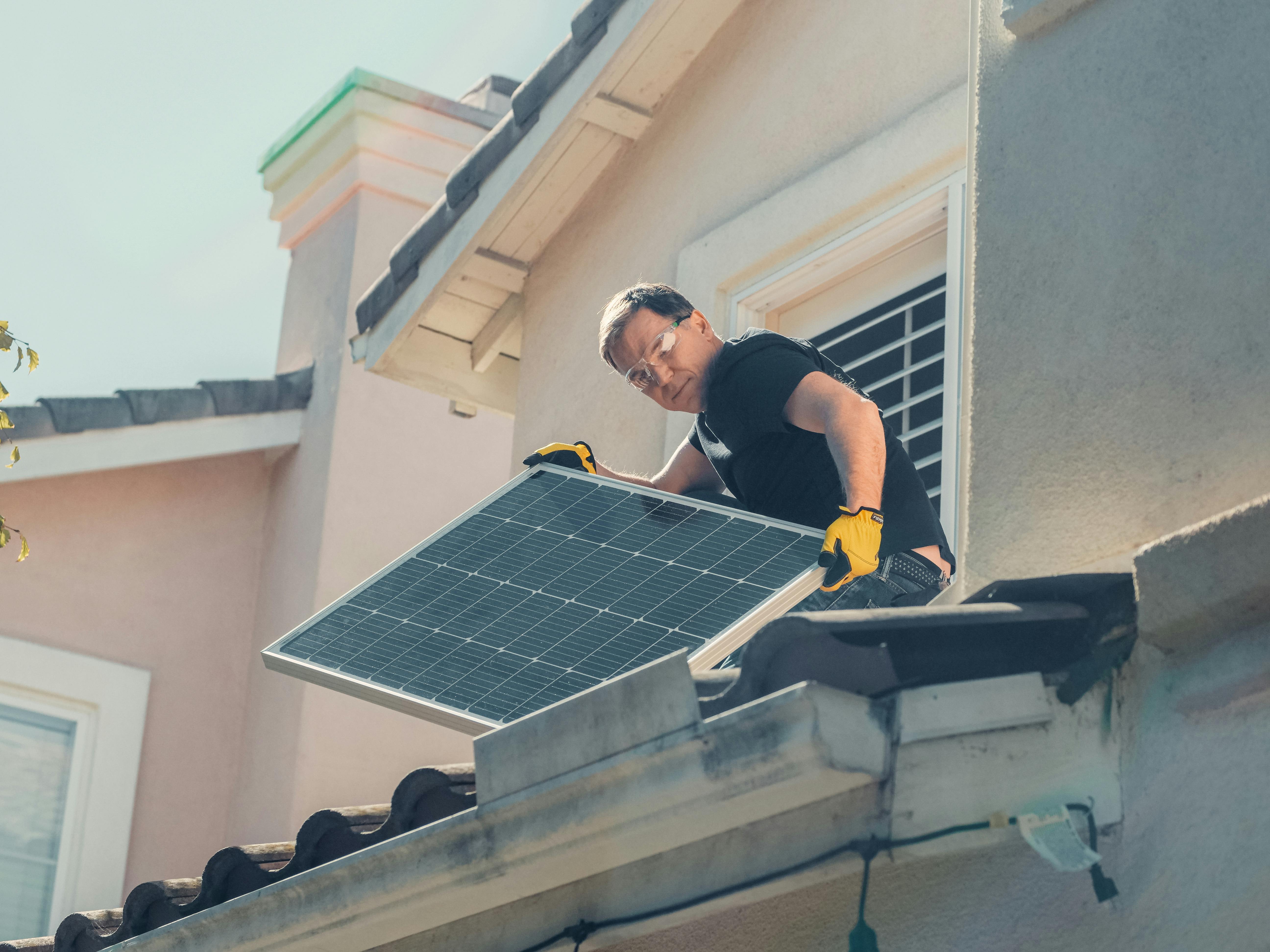
Well, honestly, most people hate winter, and for most people, they hate all the inconveniences that winter causes in their homes. But everyone deserves to have a warmer house this winter, and most of it starts in the summer months, though. But of course, that’s exactly why summer is usually the smartest time to deal with the bigger jobs. It’s warmer, it’s more comfortable to live through work being done, there’s often less chance of weather making a mess of everything halfway through, and in plenty of cases it can even be a bit cheaper and easier to schedule, but what are these, though?
Dealing with Any Roof Problems?
Roof issues are one of the biggest offenders for this, because in summer, they can seem almost theoretical. Well, unless it’s raining, of course, but that’s another story. Anyways, maybe there’s a slipped tile, maybe there’s ageing felt, maybe the flashing’s not looking great, maybe there’s been a tiny sign of trouble before, but if the weather’s dry enough, it all feels easy to push down the list. But it’s super apparent in the winter, well, in bad weather in general, that this happens. The winter presses on the weak points; all seasons do except for summer, really.
Which is exactly why summer is such a sensible time to deal with roof work. It’s usually easier for contractors to work in drier conditions; there’s less chance of the weather interrupting the job, and there’s less risk of a half-finished problem becoming an even bigger one because rain got involved halfway through. It’s also just a lot easier mentally to deal with a roofing job when the house isn’t already battling cold, damp, and short dark days at the same time (and it’s safer for the roofing company too, of course).
Need Any Chimney Fixes?
Alright, so chimneys are another classic one, because people don’t tend to think much about them until the exact moment they want that fireplace or stove working properly again. Then all at once it matters if the chimney needs repairs, repointing, a liner, a cap, a cowl, or just a proper inspection before use.
Even when it comes to a wood-burning stove or chimney parts, ideally, everything needs to be installed and repaired while it’s warmer. So yeah, if you have a big to-do list, good luck getting that done in the winter. Honestly, that sounds pretty stressful trying to rush that in the cold months. Which is why you’re better off doing this in warm weather.
Plus, you just need to keep in mind here that chimney repairs done in warmer, drier conditions often have a better shot at being completed smoothly without moisture getting in the way. So yeah, this is one of those jobs that can feel easy to ignore when the fireplace isn’t being used, but it starts looking a lot more serious once winter makes that feature feel useful again. Which is why you need to avoid this whole situation and get it out of the way earlier.
Dealing with Dampness?
Damp is one of those things that can start off looking like a minor nuisance and end up feeling absolutely miserable once winter gets hold of it. But in what way? Well, it could be a small issue with drainage, guttering, pointing, ventilation, or exterior repairs, which might not seem like much during warm weather, especially if the house feels dry enough day to day.
But once the wetter, colder months return, those weaker spots can become much more obvious, and much more expensive, very quickly. Which is why summer is such a good window for this sort of work. It gives the house a better chance to dry out, makes repairs easier to carry out without constant rain getting involved, and lowers the risk of water damage building while everyone’s still deciding what to do. Plus, you need to find the root of the dampness (and it could be a multitude of reasons, like the roof that was mentioned earlier).