
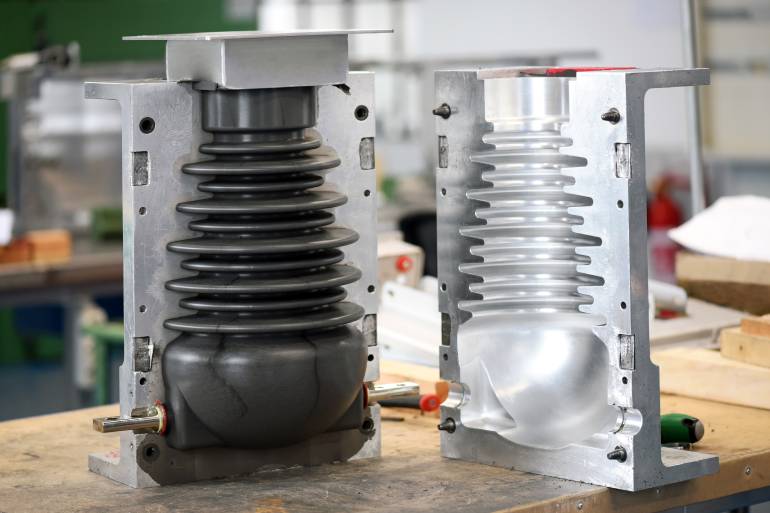
As industries continue to innovate and evolve, the demand for versatile and efficient manufacturing processes like stainless steel casting (and Nadcap plating) has become increasingly important particularly for applications requiring complex geometries and precise tolerances.
This process involves mixing two or more liquid components, which react chemically to form a solid polymer molded into the desired shape. Learning why RIM is the best option for manufacturing will help you achieve your business goals while maintaining high quality and performance standards.
Enhanced Material Properties
One of the most compelling benefits of Reaction Injection Molding (RIM) is its ability to produce parts with superior material properties. The process combines two or more reactive components that undergo a chemical reaction during the molding process.
This unique approach results in materials with enhanced strength, flexibility, and impact resistance. The finished products typically exhibit lower shrinkage rates than traditional methods, which maintains tight tolerances and ensures high quality outputs.
Cost-Effectiveness Production
Reaction Injection Molding can present significant cost advantages. The reduced tooling costs and quicker setup times compared to traditional injection molding processes minimize upfront investments. Since RIM does not require high pressures or temperatures, the energy consumption during production is lower, further decreasing operational costs.
Design Versatility
One of the greatest strengths of Reaction Injection Molding is the versatility to design complex shapes that might challenge other manufacturing techniques. The process allows for intricate shapes and detailed features with a precision that optimizes function without sacrificing aesthetic appeal. This design versatility is particularly beneficial in automotive and consumer goods industries, where product differentiation can significantly influence market success.
Rapid Prototyping Capabilities
One of the most notable advantages of Reaction Injection Molding in manufacturing is rapid prototyping. You can quickly develop prototypes that closely resemble the final product, which allows for thorough testing and evaluation before full-scale production. This capability accelerates the design process and facilitates more seamless collaboration between engineers and designers.
Environmentally Friendly Options
RIM allows for the use of bio-based or recycled materials, which can significantly reduce the manufacturing process’s ecological footprint. The RIM process generates less waste due to its efficient use of materials, making it a greener alternative than traditional molding techniques. Companies can contribute positively to sustainability efforts by opting for RIM while focusing on innovation and quality.
Reaction Injection Molding stands out as the best manufacturing option due to its combination of enhanced material properties, design versatility, cost-effectiveness, rapid prototyping abilities, and environmentally friendly options. By leveraging the design flexibility of RIM, manufacturers can meet market demands and foster innovation that drives their business forward.