
A hidden water leak can feel like a betrayal from your own home. You’ve spent time creating a space that feels safe and comfortable, only to discover a secret problem brewing behind the walls or under the floors. These leaks are more than just a nuisance; they can lead to significant structural damage, mould growth and costly repairs if left unchecked. Learning to spot the subtle warning signs is the first step in protecting your property and keeping your home healthy.
Mystery Stains on Walls and Ceilings
One of the most common tell-tale signs of a hidden leak is an unexplained stain appearing on a wall or ceiling. These often look like a discoloured patch, typically yellowish or brownish, and might have a distinct ring around the edge. It’s easy to dismiss a small spot, but these stains indicate that water is seeping into the plasterboard or drywall from a pipe, a roof issue or a faulty appliance on the floor above. Don’t ignore them, even if they feel dry to the touch. The water may only be escaping intermittently, but the damage is still being done. Keep an eye on the stain to see if it changes in size or colour, especially after rainfall or after using a specific bathroom.
Why Professional Leak Detection Matters
Sometimes, the source of a leak is obvious, like a dripping tap. But often, the problem lies within a wall cavity, under a concrete slab or deep within your home’s plumbing network. In these situations, guesswork can lead to unnecessary damage, like tearing up floors or walls in the wrong place. This is where specialised expertise becomes invaluable. Professionals use advanced equipment like thermal imaging cameras, acoustic listening devices and moisture meters to pinpoint the exact location of a problem without destructive searching. Investing in professional water leak detection can save you time, money and a great deal of stress by ensuring the problem is identified accurately and fixed the first time correctly.
Unexpected Spikes in Water Bills
Your water bill is a powerful diagnostic tool. If you notice a sudden and significant increase in your bill without a corresponding change in your household’s water usage, it’s a major red flag that you might find leaking water in your home. A single dripping tap can waste a surprising amount of water over time, but a hidden leak in a pipe can cause your meter to spin constantly. A simple way to check is to ensure all taps, toilets and water-using appliances are turned off, then take a reading from your water meter. Wait for an hour without using any water and check it again. If the reading has changed, you almost certainly have a leak somewhere on your property. This is one of the clearest signs that you need to investigate further to check for water leaks using your meter.
Unusual Odours or Mould Growth
Your sense of smell can be an excellent leak detector. A persistent musty or earthy odour, especially in areas like cupboards, basements or bathrooms, often points to hidden moisture. This smell is caused by mould and mildew, which thrive in damp, dark environments. You might not see any visible signs of mould at first, but the smell is a clear warning that water is accumulating somewhere it shouldn’t be. The health effects of mould in homes are well-documented, ranging from allergic reactions to more serious respiratory issues, so addressing the source of the dampness is crucial for your family’s wellbeing. If you smell something musty, start looking for other signs of water damage.
Damp Spots on Flooring or Carpets
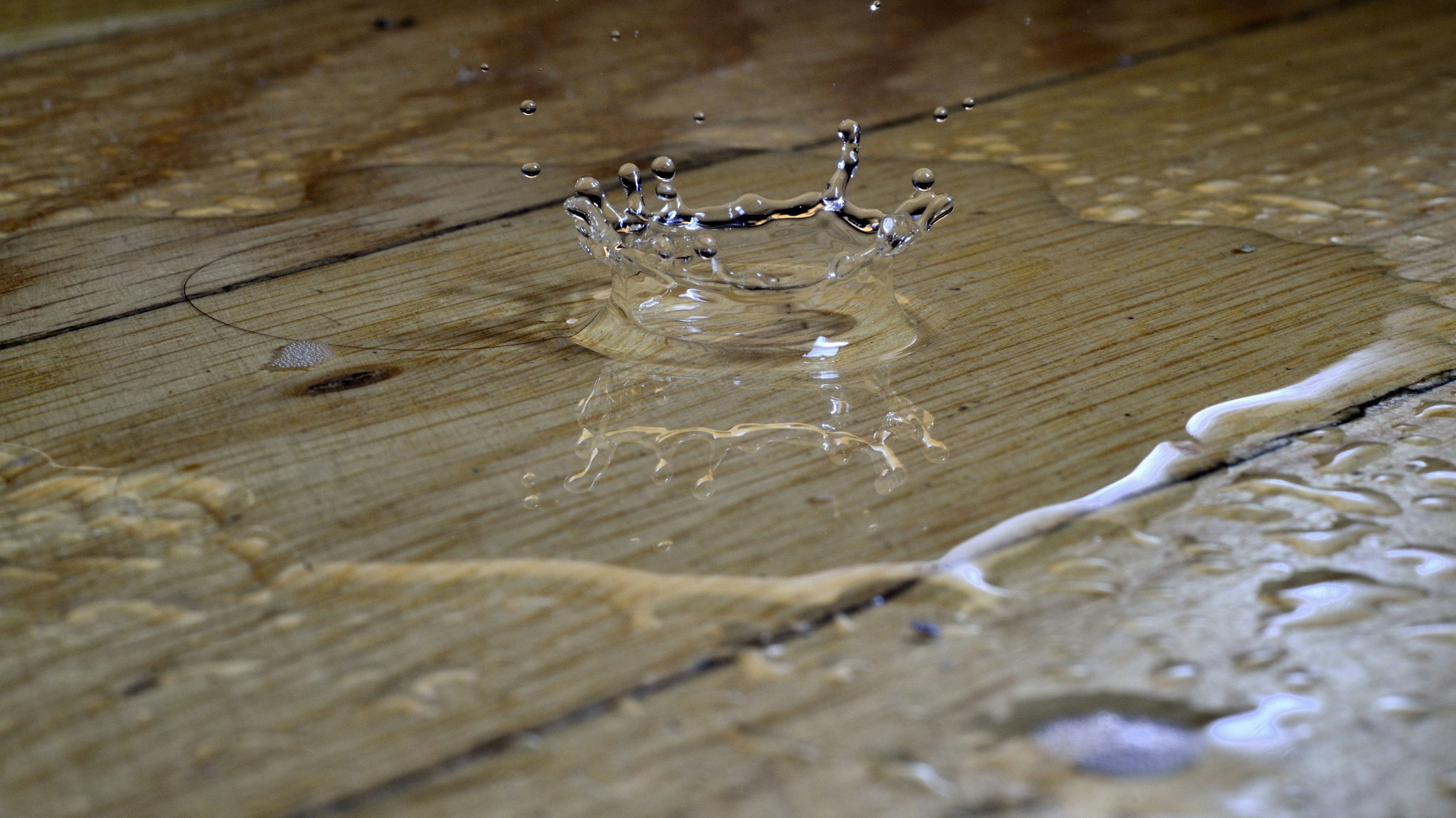
Unexplained dampness underfoot is a sign that requires immediate attention. This might feel like a squishy patch of carpet, or you might notice floorboards starting to warp, cup or buckle. With vinyl or tile flooring, you may see discolouration along the grout lines or find that tiles have become loose. These symptoms suggest that water is seeping up from below, possibly from a leaking pipe under the subfloor. Running your hand over the area can confirm if it feels cool or damp compared to the surrounding flooring. Ignoring this can lead to the rot of your subfloor and joists, resulting in a far more complex and expensive repair job.
Catching a leak early is all about paying attention to the small changes in your home. Being vigilant and acting quickly on these signs helps you prevent a minor issue from becoming a major disaster.