
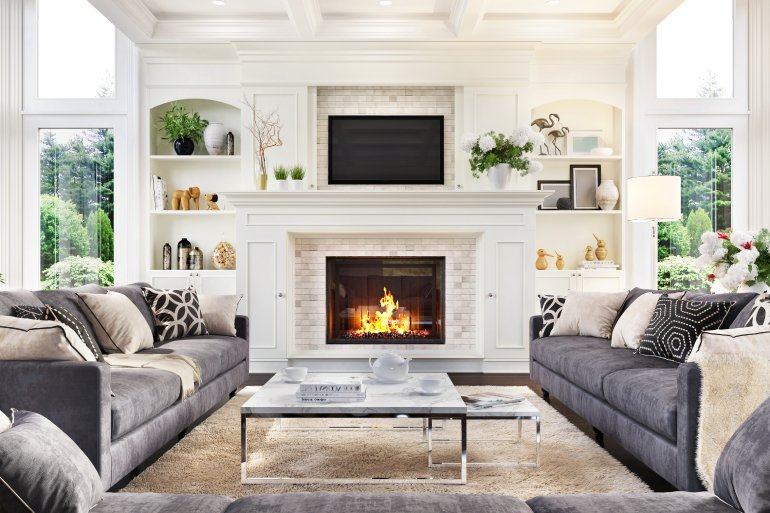
Designing interiors is an exciting process, but even well-intentioned choices can lead to regrets. Small oversights can have a significant impact on how a space looks and functions, from furniture misfits to clashing colors. Avoid these three common interior design regrets with these simple tips.
Misjudging Proportions and Scale
Getting proportions and scale wrong is one of the most frequent design errors, and it can make even the best furniture or decor look out of place. Oversized sofas in small living rooms or a tiny rug in a sprawling space make rooms feel awkward and unbalanced. Always start with thorough measurements and consider how each piece will fit visually and functionally in the room to avoid this potential regret.
Another way to prevent scale mistakes is to use blueprints for home decor projects. Creating a mock-up of the interior layout on paper can help you visualize how items work together. Consider the ceiling height and the floor area so you can choose light fixtures, artwork, and drapery that don’t overcrowd the room. Often, taller spaces require grander decor to maintain balance and harmony.
Choosing Style Over Comfort
It’s easy to prioritize aesthetics over practicality when designing a space. That stunning accent chair may be a statement piece, but if it’s uncomfortable or impractical for everyday use, it may make the room less satisfying. Instead of focusing solely on appearance, prioritize elements that are visually compelling and comfortable to use in real-life settings.
Test possible seating and bedding before finalizing purchases to avoid this interior design regret. Pay attention to comfort, material quality, and whether the piece suits the intended purpose.
Neglecting a Cohesive Color Palette
A space with mismatched colors can feel chaotic, even if each individual piece is stunning. Without a cohesive color palette, rooms can lack the flow and connection that make the design feel intentional and well thought out. Select a base palette of two to three complementary shades to guide the entire project to avoid this interior design regret.
Stay within the chosen palette to maintain cohesion when incorporating pops of color. Use accents, such as throw pillows, artwork, or rugs, to experiment with bold colors without overwhelming the design. Additionally, white, gray, or beige provide the perfect base to layer in colors and maintain a polished, sophisticated look.
Interior design is all about creating spaces that are beautiful and functional. You can ensure your designs feel intentional and inviting by focusing on proper proportions, balancing style with comfort, and sticking to a cohesive color palette. Thoughtful planning and attention to detail will help you craft spaces that leave a lasting impression.