
The way your business looks and feels plays a big part in how customers respond to it. Whether you’re running a small salon, a boutique shop, or a wellness clinic, your customer-facing equipment quietly shapes each visitor’s experience.
When that equipment starts to look tired or perform poorly, people notice. Wobbly stools, outdated tech, or scuffed surfaces don’t just make things harder for you; they can leave the wrong impression entirely.
Upgrading doesn’t always mean splashing out on top-of-the-line gear. Often, it’s about replacing what no longer serves you (or your customers), improving comfort and flow, and making sure everything reflects the care you put into your work.
Here are seven clear reasons why it might be time to invest in better customer-facing equipment and how thoughtful changes can make a real difference to your business.
#1. Reduce Operational Costs
Older equipment or equipment that isn’t fit for your small business often comes with hidden expenses. It could break down more frequently and need constant repairs. Or it could simply drive your costs up when using it. For small businesses, those can really start to cut into your bottom line.
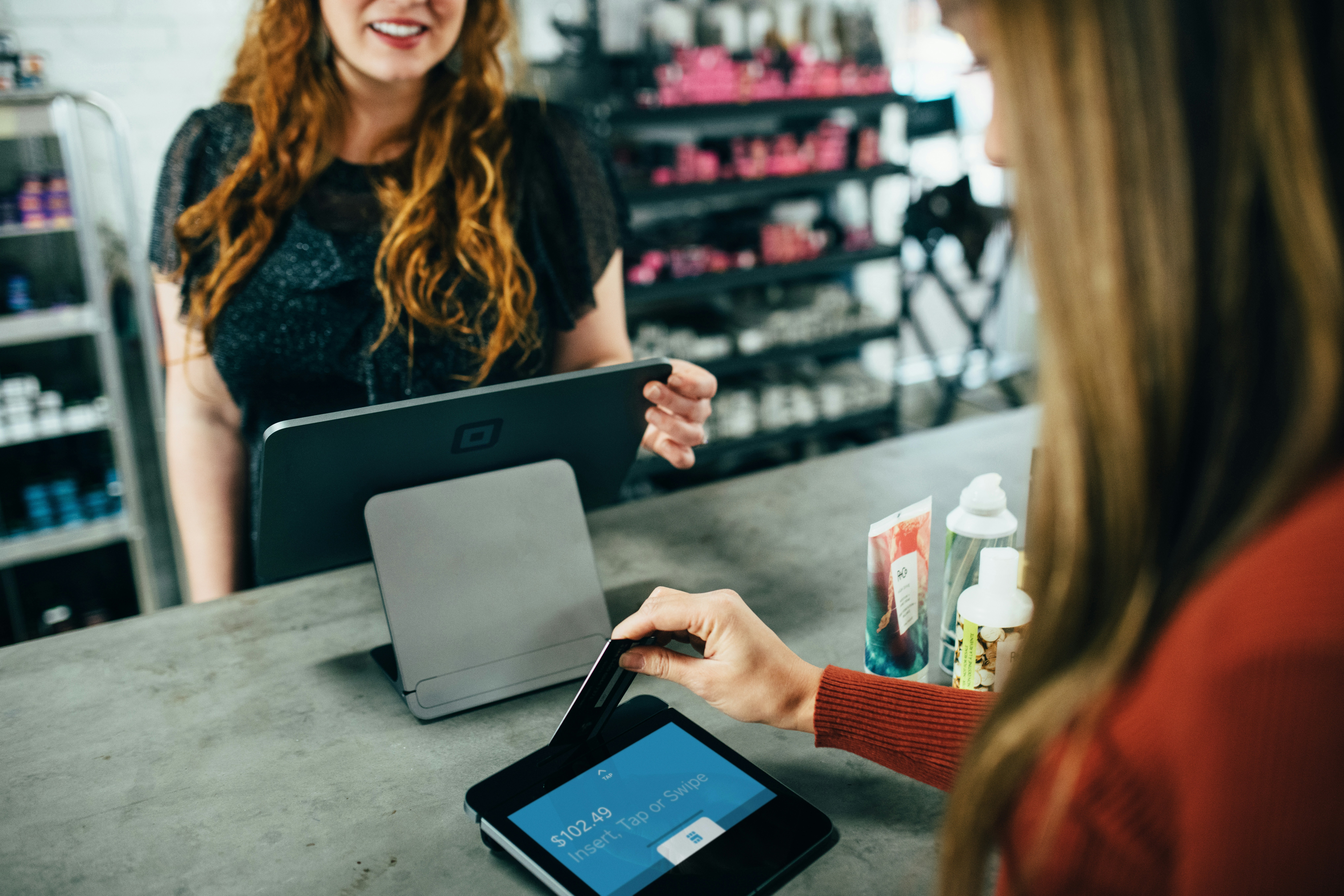
Swapping ill-suited tools for more efficient ones can help reduce those day-to-day costs. For example, upgrading to a tailored card machine can lower transaction fees and speed up checkouts, all while being more reliable and user-friendly. It’s a small change that can have a big impact over time.
#2. Boost Efficiency
When your equipment works well, everything runs more smoothly. Whether it’s an adjustable chair that saves your back during long appointments or a touchscreen check-in system that keeps things moving at the front desk, upgraded tools mean fewer hiccups in your daily workflow.
Outdated or clunky equipment tends to slow things down. Often, it creates more work. Sometimes, it’s just a matter of making things more frustrating or costing you more time.
The truth: When tasks are easier and more intuitive, you can focus on delivering a great experience for your customers.
Upgrading doesn’t have to mean going high-tech either. Sometimes it’s as straightforward as choosing more ergonomic seating or quieter appliances.
#3. Keep Your Customers Happy
Your customers notice more than you might think. Poor equipment can negatively affect their entire experience of your business.
When people interact with your business, they form impressions based on every detail. If the equipment in use is slow or uncomfortable, it’s unlikely they’ll want to come back. In some cases, it may even lead to customer complaints, especially if comfort or function is affected.
By upgrading what your customers see and use every day, you’re showing that you care about their comfort, time, and overall experience.
#4. Make a Positive First Impression
First impressions happen fast, usually within seconds. When a customer walks into your space, what they see and interact with sends a message about your brand. The message may not be accurate, but ultimately, you are in charge of the equipment they see and judge.
What can lead to negative impressions?
- Peeling vinyl on a seat,
- Faded signage,
- Worn-out tools
On the other hand, clean and well-maintained equipment, even if it isn’t modern, shows that you care about doing things well.
You don’t need to invest in a big update. Small things, such as a new front desk stool for example, can already create a more welcoming and polished atmosphere. It’s about presenting your business in the best light from the very first glance.
#5. Ensure Accessibility
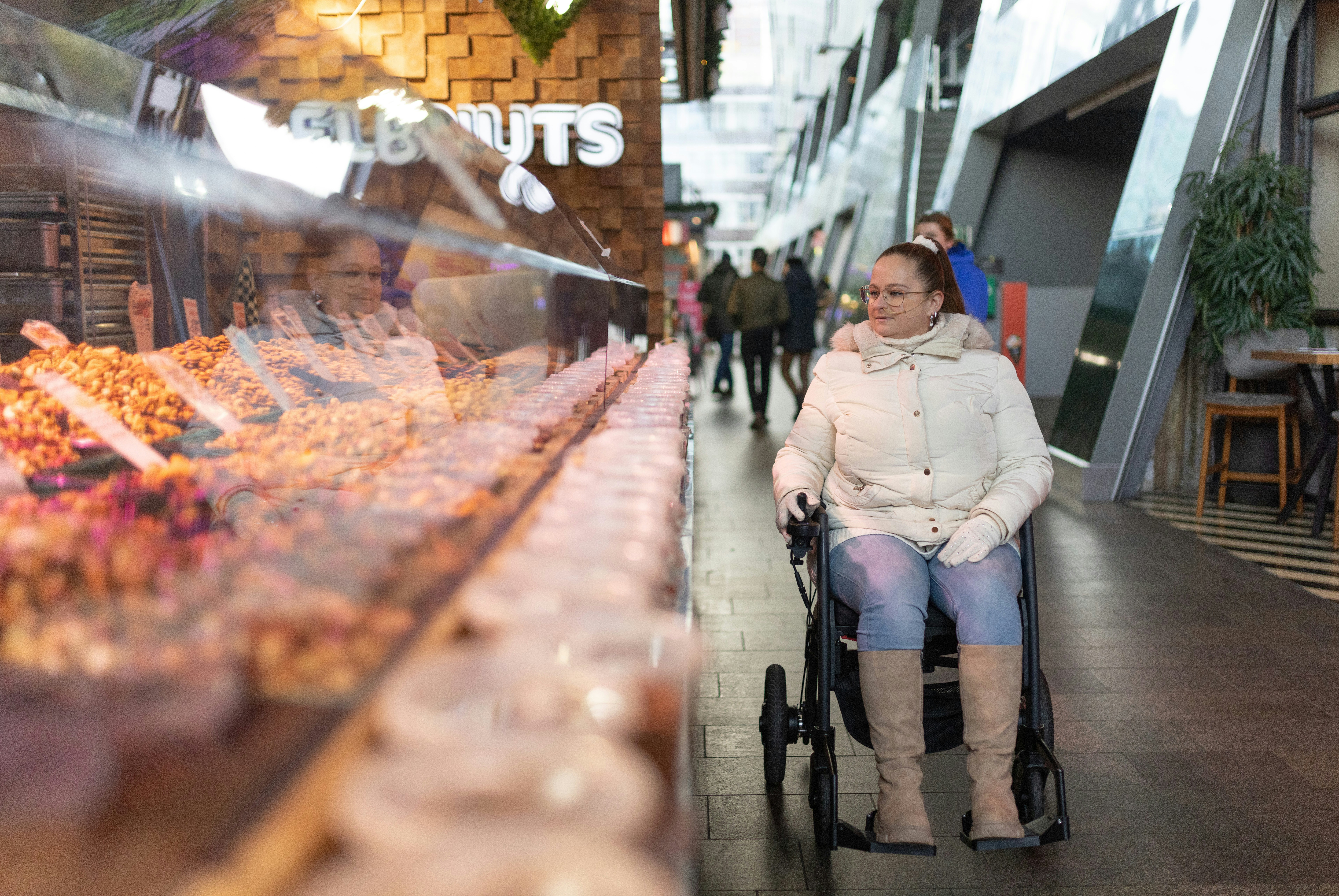
Every customer who walks through your door deserves to feel welcome and at ease. That starts with having equipment that’s accessible to everyone. Not all customers have the same needs, so you need to use equipment that is thoughtfully designed for a wide range of needs.
What does it look like in a business environment?
This could be using an adjustable chair if your customers need to sit. For reception areas, you can add a check-in screen at the right height, or even two different models for visitors who are walking and those who are in a wheelchair.
A lot of businesses consider the accessibility of their entrance, but do not continue the creation of an inclusive and accessible space. A lot of disabilities are invisible, too. So, while catering to wheelchair users is important, what happens to neurodivergent customers who may feel overwhelmed by some equipment?
So, it is worth assessing the accessibility of your customer-facing equipment. Little changes can make a big difference, especially for customers with mobility concerns, chronic pain, or even autism.
Upgrading customer-facing equipment gives you the chance to reassess how people interact with your space. Little changes can lead to a big improvement in how your business feels to the people you serve.
#6. Adapt to Changing Expectations
Customer needs evolve over time, with shifts in technology and culture. There’s no denying that customer needs in 2025 do not compare to those 10 years ago.
What felt modern and efficient then might now seem outdated or inconvenient. As a business, you can’t afford to stand behind.
Upgrading your equipment helps you move with the trends. For example, more customers now expect touch-screen interactions, sleek interfaces, and efficient service. Clinging to older tools can make your business seem behind the times.
#7. Future-Proof Your Business
Artificial intelligence is already shaping how people work and engage with the work. So, it would be unfair to expect that it couldn’t reshape customer expectations. Customers are exposed to AI in many online interactions, from personalised online recommendations to chatbots. They are becoming more used to seamless, tech-supported experiences.
Right now, the need for equipment that works with AI is still relatively small. Yet, the AI trend is here to stay, and with it, the needs will grow. So, it is worth upgrading your equipment now to help prepare your business for what’s coming next.
For instance, digital signage and smart displays can adapt in real time to your customer needs. They can adjust content based on time of day, the weather, or promotional needs. They could also have an interactive screen for searches, so they can feed the data into their constantly changing content.
Customer-facing equipment plays a bigger role than we often give it credit for.
So here’s a simple question worth asking: Is your equipment helping your business shine, or is it having the opposite effect?
Maybe it’s time for a thoughtful upgrade.


