
If you are looking after an elderly relative, then there are a few things that you should know. There are things that people don’t tell you, and there are things that you are probably hiding because you don’t want to think about them. Well, this is a safe space, and we’re going to be discussing some of the things that we think you should know when you’re taking on this task. If you’re interested in more, keep reading.
Mood Swings Are Normal
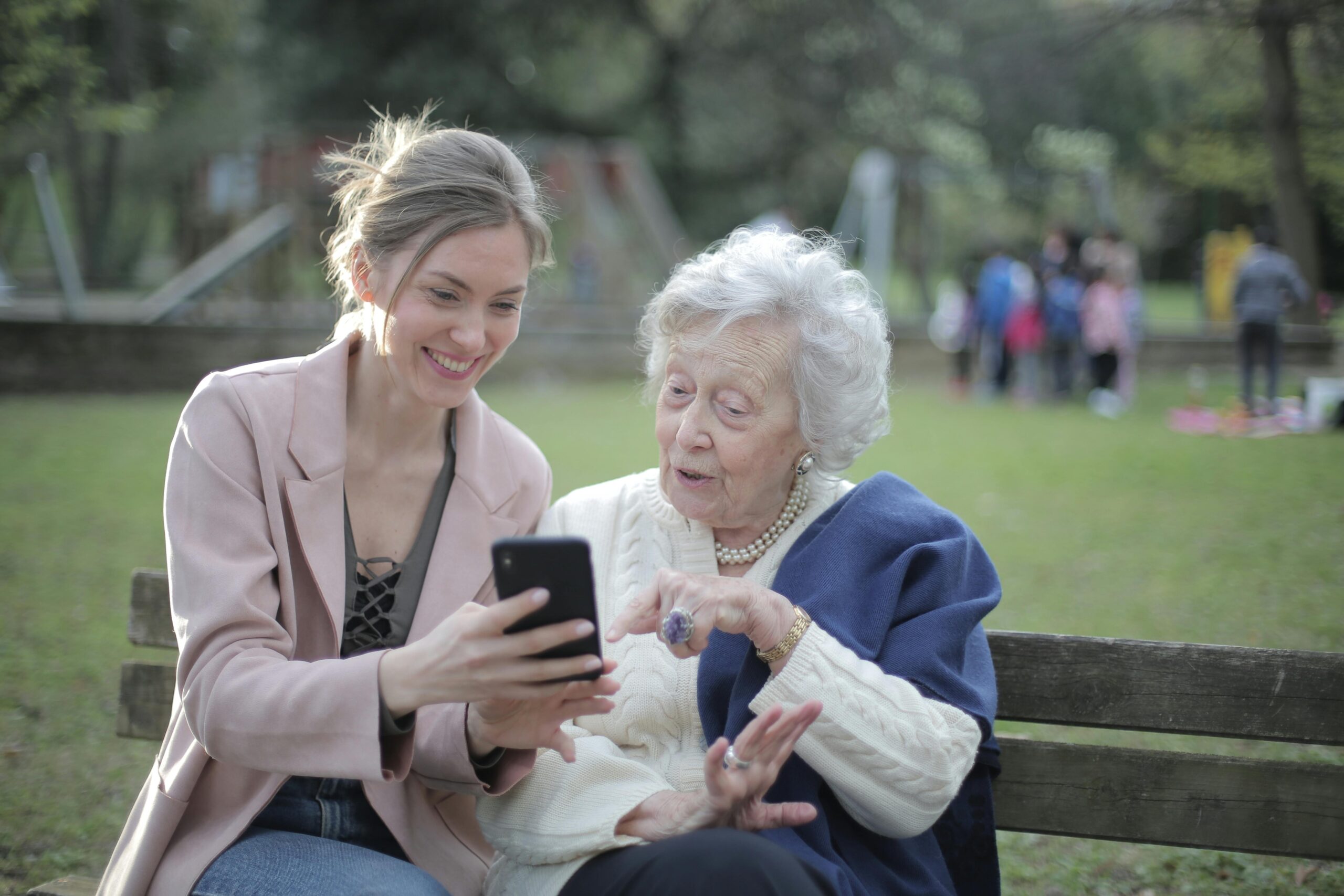
First up, mood swings are normal. A lot of the time elderly relatives are resentful, but it’s not towards you. It’s towards themselves for not being able to take care of themselves in the way that they could before, and this can be a struggle. Going from looking after you to you looking after them can be really tough for some people, and that creates mood swings a lot of the time. It’s not personal, it’s just them coming to grips with the new reality, but we know that this doesn’t make it easier to handle. Just be as patient as you can.
You’re Doing Your Best
Another thing that you need to acknowledge is that you are doing your best. It’s okay to struggle because everyone does, but as long as you are doing your best, there is no more that you can do. Yes, we understand that you feel as though you shouldn’t struggle because they took care of you or for whatever other reason, but that doesn’t mean that it’s not hard. Life is hard, and taking care of someone else is hard, so you just have to give yourself grace here. Take a break when you need one, slow down a bit if you’re feeling overwhelmed, and just do what you can.
Privacy and Independence Still Matter
One thing that often gets overlooked when caring for an elderly relative is how important personal space and dignity remain, even when support is needed. Constant togetherness can feel comforting at first, but over time it may lead to frustration on both sides if boundaries disappear completely. Older adults still value independence, routines, and a sense of ownership over their daily lives. Small changes, like creating private time, separate living areas, or clear “quiet hours,” can make a huge difference to emotional wellbeing. For some families, exploring options such as granny flats can provide a balanced solution, allowing loved ones to stay close while still maintaining autonomy. Preserving independence where possible helps protect self-esteem and reduces tension, making the caregiving relationship healthier for everyone involved.
There Are Other Options
The last thing that we want to say is that if it is becoming too much, or if their needs are changing at a rate that you cannot keep up with, there are other options. You can look into home care if this is possible, you can look into a residential facility if this is going to be better suited to their needs, and other options as well. If they need some assistance with getting to and from certain places, then it might be a good idea to look into mobility scooter hire to enhance their independence. The point that we’re trying to make is that there is help available if you need it, you do not have to struggle on your own.
Speak to your family member about how you are feeling, and see how they feel about these other options. Reassure them that you’re not going anywhere, but speak to them about the care that they need, and whether or not you are able to provide it.
We know that it can be tough to do this, and we’re sorry if you are struggling a little to make it work, but give yourself credit where credit is due. You are doing something that not everyone would even consider doing, and you’re doing a great job. It’s okay to struggle every now and then, you don’t have to be ashamed of that.


