
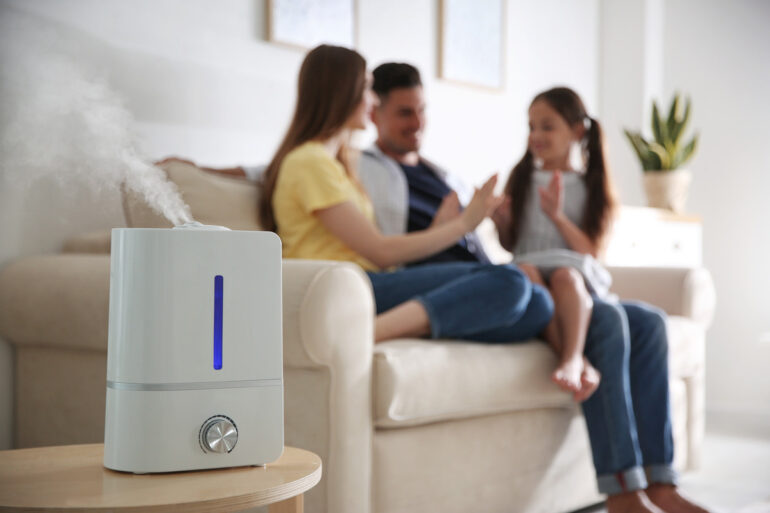
Maintaining good ventilation in your home improves your comfort, health, and well-being. Poor air circulation can trap pollutants, raise humidity, and create an unpleasant indoor environment. By enhancing ventilation, you can enjoy fresher air, a cleaner space, and a healthier home. Let’s explore three ways to improve ventilation in your home so you can enjoy the numerous benefits it offers.
Open Windows and Doors Strategically
One of the most straightforward ways to improve ventilation in your home is by using windows and doors effectively. This method promotes cross-ventilation, allowing stale indoor air to escape while drawing in fresh outdoor air. For best results, open windows or doors at opposite sides of a room to create an air pathway.
Timing can also make a difference. Try ventilating your home in the early morning or evening when outdoor air is cooler and less likely to carry pollutants like pollen or dust. Strategically placing fans near these openings can further enhance airflow, especially in areas that don’t naturally get much breeze.
Install and Use Exhaust Fans
Exhaust fans are highly effective for removing stale air, odors, and excess humidity from specific areas of your home. Kitchens, bathrooms, and laundry rooms can all benefit greatly from proper exhaust fan installation. A kitchen fan, for instance, can help eliminate lingering cooking odors and grease particles, while a bathroom fan reduces humidity which could lead to mold growth.
To achieve the best results, run your exhaust fans during and shortly after activities like cooking or showering. This continuously refreshes indoor air in problem areas, improving overall ventilation in your home.
Utilize Air Purifiers With Air Exchange in Mind
While air purifiers are typically associated with mitigating indoor air pollution sources, certain models also improve ventilation by promoting air circulation. Modern air purifiers often feature powerful fans and high air exchange rates, creating consistent airflow in poorly ventilated areas.
When selecting an air purifier, ensure it is suited to the size of your room, and check its air circulation capabilities. By pairing it with natural ventilation strategies like open windows, you can maintain clean, breathable air throughout your living space—even on days when opening windows might not be ideal.
Improved home ventilation directly impacts your health and indoor air quality. Proper airflow reduces pollutants, balances indoor humidity, and creates a more comfortable living environment. Take a moment to assess your home’s ventilation needs, and consider implementing one—or all—of these strategies to experience the benefits of a fresher, healthier space.