

Cats have a reputation for being easy pets. They’re often described as low-maintenance, independent, and happy to do their own thing. And there is certainly some truth in that, but it isn’t the whole story. Living with a cat comes with a set of small, often surprising realities that many of us only learn when the cat is already home, sprawled across your laptop or shedding all over black clothing.
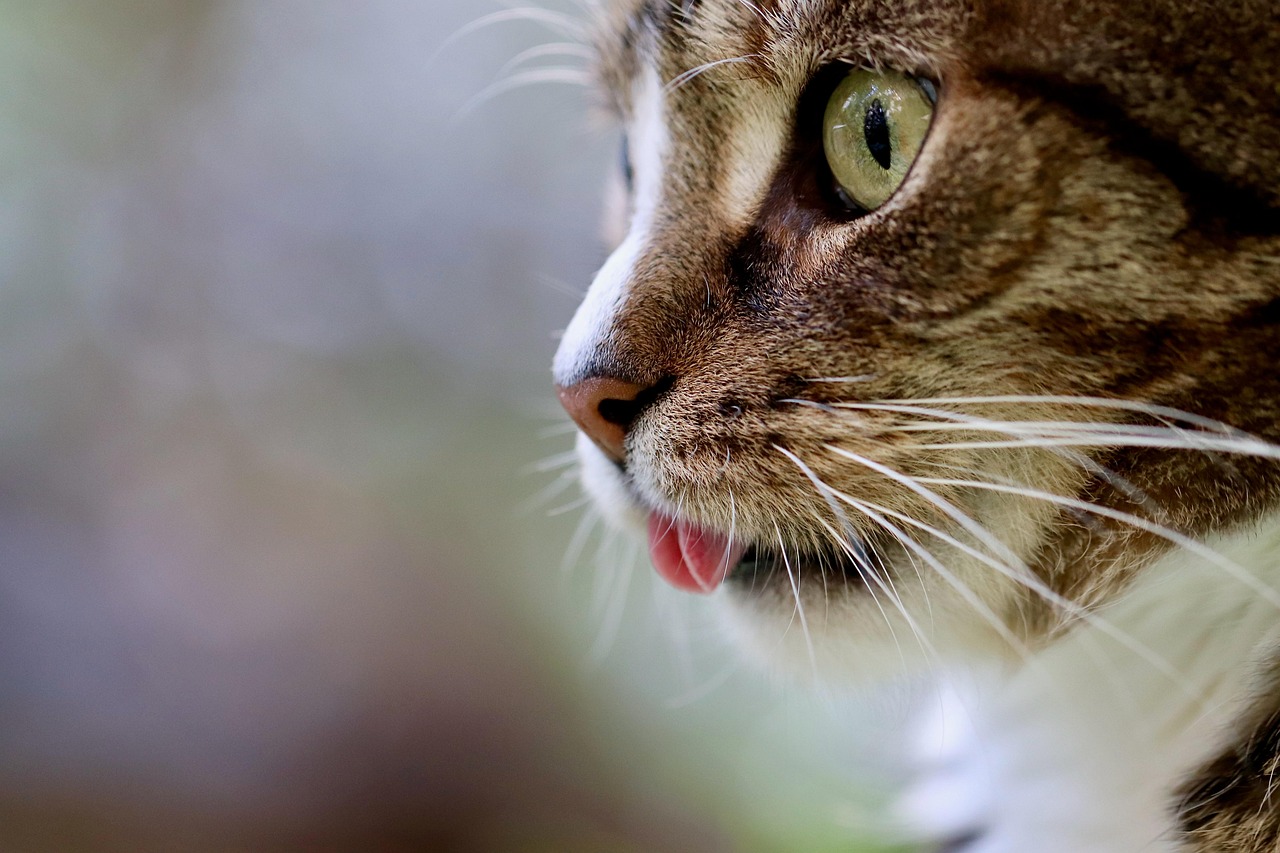
For anyone considering getting a cat – or even if you’re already sharing your home with one – understanding these lesser-known behaviours can make the experience calmer and kinder for both you and the fascinating fluffball you’ve welcomed into your world.
Zoomies are normal and nothing to worry about
At some point in the day, usually in the evening, a calm and composed cat may suddenly sprint from room to room as though alerting you the apocalypse has begun. This is known as “zoomies” and it’s completely normal feline behaviour.
Zoomies are in fact a way of burning off excess energy. Indoor cats (and it is better to keep them indoors) often build up energy during the day and then release it in short, dramatic bursts. It looks chaotic, but is rarely a sign of stress or bad behaviour. And trying to stop it will not work. Prevention is better than cure, so short high-intensity play sessions, interactive toys, or feeding methods that involve some problem solving are all good ideas. A cat that has had the chance to “hunt” in the day is less likely to bolt around the home at bedtime.
Scratching is about ownership, not destruction
Most people expect some amount of scratching with a cat, but many are surprised by where it happens. Sofa arms, carpets, and dining chairs can be prime targets. And it’s not something cats do out of spite or boredom. It is a natural way for cats to mark territory (and better than other ways of doing that), as well as a way to stretch and to maintain their claws. Cats leave visual marks and scent behind, which helps them feel secure in their space.
You’re not likely to stop your cat scratching altogether and neither should you. Redirection works better, adding scratching posts near the areas your pet already favours, and offering a variety of textures (and therefore interest) can help. You may also need to accept that a certain amount of wear is inevitable – your favourite chair may become a little threadbare, but it’s a small price to pay for a happy, fulfilled cat.
Cats tend to hide when something’s wrong
If there is one thing all cat owners should be aware of, it’s that your cat retains many of the instincts that their species had in the wild – and when they’re feeling under the weather, they hide it. This is because in the wild, illness is a vulnerability and they don’t want to show weakness. Instead, they become withdrawn and quieter, and start sleeping in unusual places (more unusual than is typical). They won’t vocalise their unease.
This means we as owners need to be observant and proactive. If your cat’s behaviour changes in a way that can’t easily be explained, it is a good idea to act early. Having pet insurance in place is a good idea; it’s not ideal to be wondering if you can afford to have them checked out and treated. If you think they should maybe see a vet, then they should see one. It might be nothing at all or something very minor; if the news is worse then at least you can move ahead with the next steps sooner rather than later.
Feline affection is quieter, but no less true
Cats show affection in different ways from dogs, and for first-time cat owners this can be disconcerting.
Slow blinking means you make them feel contented. Head bumps are their way of saying “hi – I like you”. Following you from room to room is a sign that they feel bonded to you and want to be around you. If they expose their belly, don’t take it as a sign that they want a belly rub (although they might – they’ll make it clear if they do), but it means they feel safe around you and is as high a compliment as a cat can pay.
Don’t just walk up and pet them; they’ll let you know if they want human contact. Showing that you understand them will pay off in the long term. Also, get to know their vocalisation habits – they have meows for greeting you, for complaining, and seeking food. Different breeds are more vocal than others – a Bengal will be much more noisy than a Ragdoll, and so on.
When you get to know your cat, the joy they can bring to your life and you to theirs is multiplied. Knowing the above facts is a great starting point.


