Your home’s plumbing system usually works quietly behind the scenes, bringing in clean water and whisking away waste day after day. Most of us don’t really think about it until a faucet starts dripping, a drain gets clogged, or, even worse, a pipe bursts. The good news is, with just a little understanding and some proactive care, you can keep your plumbing happy and avoid a lot of common headaches. Keeping your plumbing healthy is less about being a DIY superstar and more about building good habits and knowing when to call in the pros.
Understanding Your Home’s Water Flow
To really take care of your plumbing, it helps to know a bit about how it works. Every home actually has two main systems. First, there’s the water supply system. This is what brings fresh, pressurized water into your house through a main line. That line then splits off to deliver both cold and hot water to all your sinks, showers, toilets, and appliances. Second, you’ve got the drain-waste-vent (DWV) system. This one uses gravity to carry all that wastewater and solids away from your home. Those vent pipes are super important because they let air into the drainpipes, stopping a vacuum from forming that could slow down or even stop drainage. Learning about a home plumbing system can really help you appreciate this hidden network.
Simple Daily Habits for Prevention
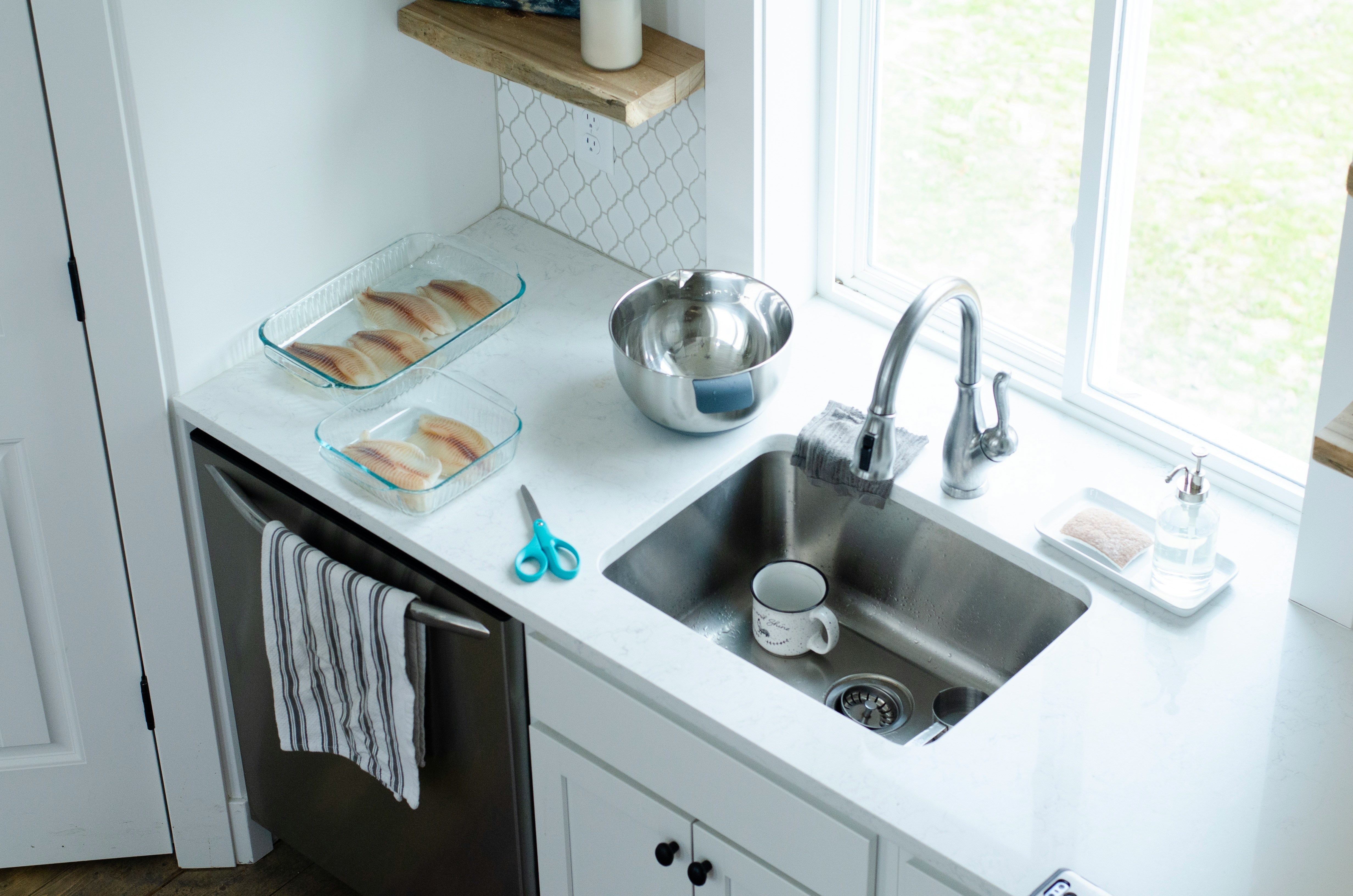
The best way to stop plumbing emergencies before they start is by doing small, consistent things. What you send down your drains makes a huge difference. Try not to pour cooking grease, oils, or coffee grounds down the kitchen sink. They’ll just solidify and create really stubborn clogs over time. In the bathroom, pop a hair catcher in the shower drain and only flush toilet paper. These simple habits can save you from lots of annoying clogs. If you do get a persistent blockage that a plunger just can’t handle, it’s smart to call professional plumbers. They have the right tools to clear the line without damaging your pipes.
Seasonal Plumbing Checks
Your plumbing needs can change with the seasons, and a little seasonal maintenance can save you from big problems later on.
- Spring: After the winter thaw, check your outdoor faucets and hoses for any leaks. If you have a sump pump, inspect it to make sure it’s ready for those spring rains.
- Summer: Keep an eye on your washing machine hoses for any bulges or cracks. Heavy laundry loads can really put a strain on them.
- Fall: Clear leaves and debris from your gutters and downspouts. Clogged gutters can make water overflow and seep into your foundation, which could damage your home’s drainage. Don’t forget to disconnect and drain outdoor hoses before the first frost hits.
- Winter: Insulate any exposed pipes in unheated spots like basements, crawl spaces, or garages. This helps prevent them from freezing and bursting.
When to Get Professional Assistance
While you can tackle many minor issues yourself, some signs definitely point to a bigger problem that needs an expert. If your water pressure suddenly drops a lot throughout the house, it could mean a hidden leak or an issue with your main water line. A good guide to water pressure can help you figure out what might be going on. Other red flags include clogs that keep coming back, gurgling sounds from your drains, bad smells, or any signs of water damage on your walls or ceilings. Don’t hesitate to call for help when you see these things; ignoring them usually just leads to more extensive and expensive repairs.
Investing in Long-Term Plumbing Health
Beyond daily habits and seasonal checks, you can also make some investments that help your plumbing stay healthy for the long haul. If your home is older, think about having your pipes inspected. Over time, materials can corrode or wear out. Swapping out old, troublesome pipes for modern ones can prevent future leaks and even improve your water quality. If you live in an area with hard water, installing a water softener can cut down on mineral buildup that clogs pipes and harms appliances. Scheduling a professional inspection every few years can also help you catch potential issues before they become emergencies, giving you peace of mind about your home’s infrastructure.
Taking care of your home’s plumbing doesn’t have to be a huge chore. By understanding the system, adopting good habits, and knowing when to call a professional, you can make sure everything flows smoothly for years to come.