Owning a home is a dream for many, but it also comes with the job of keeping it up. It’s easy to put off small tasks, though ignoring them can quickly turn into big headaches and expensive repair bills down the road. The good news? Being proactive can save you a ton of money and stress. By staying on top of a few key areas, you can keep your home in great shape and avoid nasty surprises.
Regular Home Inspections
You don’t need to be a professional inspector to spot potential problems. One of the best ways to prevent costly home repairs is to get into the habit of doing a seasonal walk-through of your property. Just create a simple checklist and take a stroll around your home, both inside and out, every few months to stay on top of seasonal home care tasks.
Inside, keep an eye out for:
- Leaks under sinks and around toilets.
- Water stains on ceilings or walls.
- Cracks in drywall or plaster.
- Windows and doors that don’t close quite right.
Outside, check for:
- Clogged gutters and downspouts.
- Cracks in the foundation or driveway.
- Peeling paint or damaged siding.
- Missing or damaged roof shingles.
Catching these things early means you can fix them before they blow up into something much more serious and costly.
The Importance of Septic Care
If your home isn’t hooked up to a city sewer system, you probably have a septic tank. This is one spot where preventative maintenance isn’t just a good idea; it’s absolutely essential. A septic system failure is not only messy and gross, but it can also cost thousands of dollars to fix or replace. A well-cared-for system, on the other hand, can last for decades without a hitch.
The trick is understanding that your septic system is like a delicate ecosystem. Using harsh chemicals can mess with the good bacteria that break down waste. You should also be careful about what you flush. The only things that should go down the toilet are human waste and toilet paper. Items like wipes, paper towels, and hygiene products can cause clogs and lead to backups. Regular professional maintenance, including routine septic tank cleaning, is important for getting rid of the solids and sludge that build up over time. This simple step stops overflows and helps your whole system last longer.
Addressing Small Issues Early
It can be tempting to just ignore a tiny drip from a faucet or a small patch of peeling paint, but that’s often a big mistake. A smarter approach to home maintenance means tackling these minor issues as soon as you spot them. That constant drip isn’t just annoying; it’s wasting water and can stain your sink or tub. Over time, it can also wear away the faucet’s inside parts, leading to a much bigger repair.
Likewise, a small water stain on the ceiling might seem like just a cosmetic problem. But really, it’s a clear sign of a leak somewhere up above. Ignoring it could lead to widespread water damage, mold growth, and even weaken your home’s structure. A loose handrail, a sticky door, or a cracked tile are all little warnings. Fixing them when they’re small is almost always quicker, easier, and way cheaper than waiting for them to become huge problems.
DIY vs. Professional Help
Thanks to all the online tutorials, lots of homeowners feel empowered to take on projects themselves. For many tasks, this is a fantastic way to save money and pick up a new skill. Painting a room, changing a light fixture, or even replacing a faucet are all pretty manageable DIY projects for most folks.
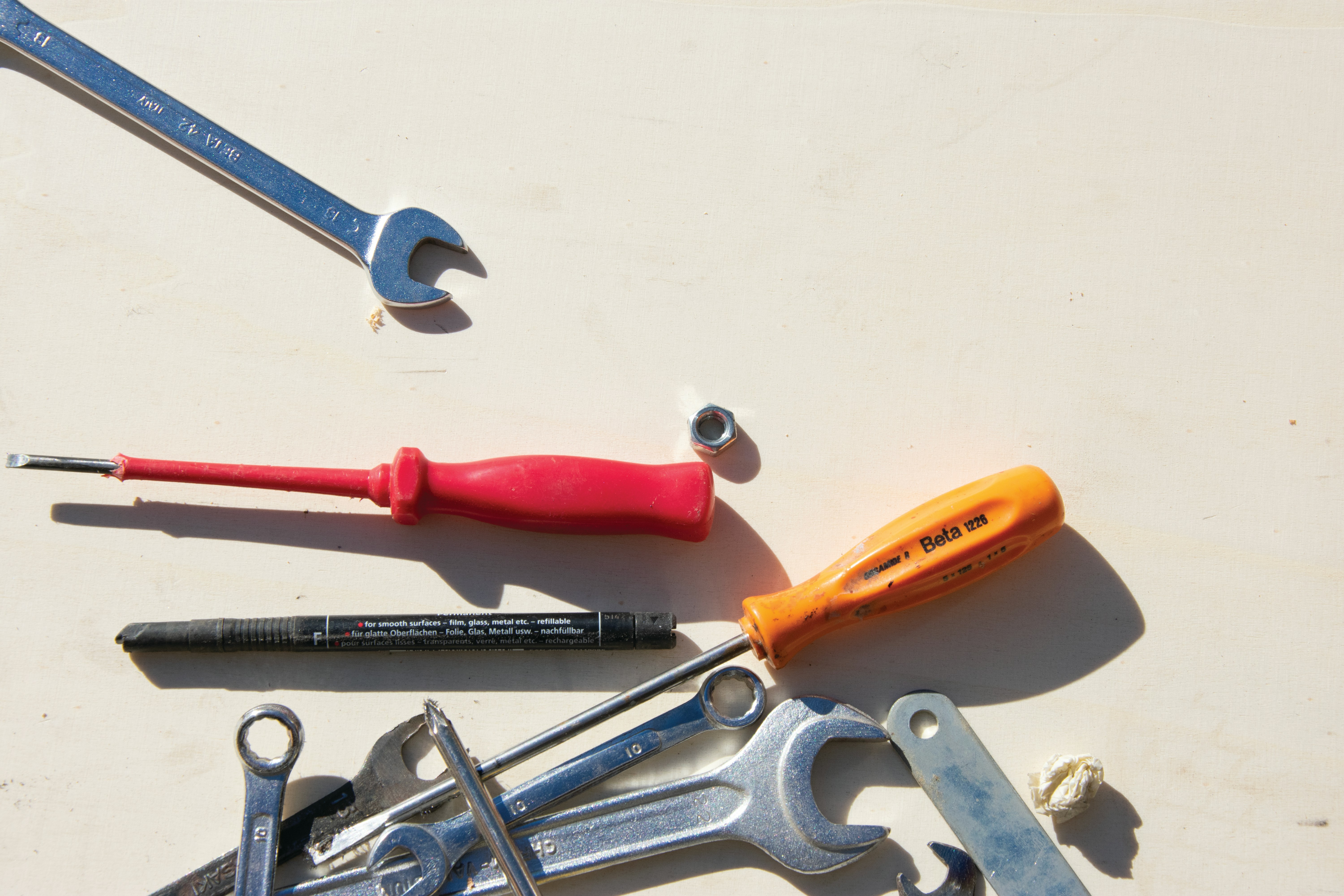
However, it’s important to know your limits. Some jobs are definitely best left to licensed professionals. Electrical work, big plumbing jobs, and anything that involves your home’s structure are not areas for trial and error. A mistake in these areas can be dangerous, lead to more expensive repairs, and might even void your homeowner’s insurance. Before starting a project, be honest about your skills and the tools you have. If a job feels too complicated or needs special knowledge, calling a professional is the smartest and safest choice.
A little preventative care goes a long way in keeping your home safe and sound. By being proactive, you can truly enjoy your space without constantly worrying about unexpected and expensive problems popping up.