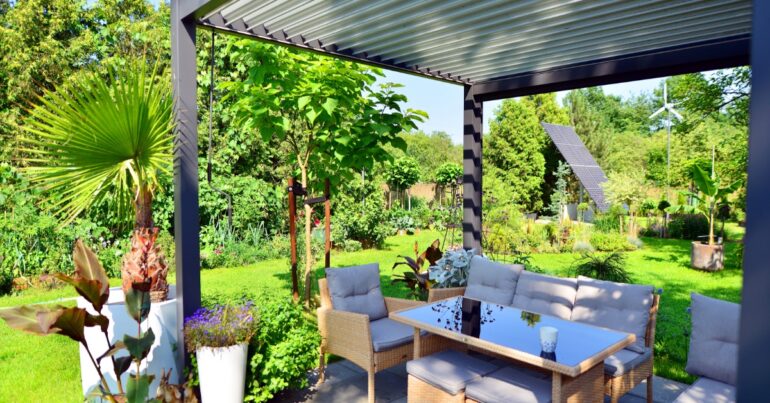
A thoughtfully designed outdoor area can extend the comfort of a home and give an open patio a stronger sense of purpose. Homeowners often want a structure that adds architectural character without making the space feel enclosed or disconnected from the surrounding landscape. Understanding why outdoor spaces deserve an aluminum pergola can reveal how the right material creates a refined feature that feels natural beside the home.
A well-selected pergola should complement the property from the first day and continue to support its character as the exterior space evolves. Aluminum provides that foundation through a versatile form that suits diverse architectural styles and creates a clear connection between the residence and patio. With thoughtful placement and design, an aluminum pergola can turn an ordinary outdoor area into a distinctive extension of the home.
Aluminum Stands Strong Against Harsh Weather
Outdoor structures face relentless exposure to rain and direct sunlight throughout every season. Those forces can slowly alter vulnerable materials and weaken parts that once appeared solid. Aluminum handles this exposure with impressive consistency because its strength does not depend on natural fibers that react to environmental moisture.
A severe storm can test every post and beam within an exterior structure. Quality aluminum construction provides a rigid framework that can maintain its form when proper installation matches local structural requirements. That dependable character makes aluminum an excellent material for homeowners who expect a pergola to serve the property for many years.
Water Has Less Power Over Aluminum
Moisture presents one of the most persistent threats to wood structures because water can enter porous surfaces and affect the material beneath them. Repeated exposure can alter shape, weaken vulnerable areas, and create conditions that demand repair. Aluminum does not absorb water in the same manner, so rain has far less opportunity to compromise the frame itself.
This distinction becomes especially valuable near pools or areas that receive frequent rainfall. Homeowners do not need to treat the metal as though every wet season places the structural material at risk. The pergola can retain a crisp appearance even when moisture remains a regular part of the surrounding environment.
Pests Cannot Treat the Frame as Food
A wood pergola can attract insects that rely on cellulose as a food source, and some damage can remain hidden beneath the surface. That possibility creates an extra concern because a structure may appear sound before visible evidence becomes obvious. Aluminum removes the food source and gives destructive wood pests no frame material to consume.
This difference changes how owners approach structural care. There is no need to search aluminum posts for internal termite damage or wonder whether insects have compromised a concealed section. Fewer pest concerns allow the structure to retain dependable strength without chemical treatments meant to protect vulnerable wood from insect attacks.
Maintenance Becomes Far Less Demanding
An aluminum pergola can make exterior care much simpler because the material does not demand the frequent attention associated with wood. These are some of the main characteristics and care tips:
- Mild soap and water can remove common dirt and residue without harsh products or specialized treatments.
- Aluminum does not require repeated stain treatments to preserve its appearance or protect the structural material from moisture.
- Durable exterior finishes provide reliable surface protection without the recurring sealant applications that many wood structures often require.
- Aluminum resists common deterioration that can leave wood with cracks, splinters, rough areas, or other visible surface defects.
- Routine care remains manageable throughout the year, giving homeowners more time to enjoy their outdoor space without extensive upkeep.
Stable Materials Preserve a Precise Appearance
Natural wood responds to changes in moisture, and those reactions can alter the shape of individual components over time. A beam that once appeared straight may develop cracks or other visible changes after repeated environmental exposure. Aluminum offers greater dimensional stability and helps the structure preserve the deliberate geometry established at installation.
That stability matters because a pergola depends heavily on proportion and clean structural lines for its visual appeal. Straight posts and uniform beams give the space an intentional architectural character rather than a worn or irregular appearance. Learning why aluminum pergolas outlast wooden structures will help homeowners recognize how material stability can protect both structural confidence and exterior style.
Flexible Forms Suit Distinct Outdoor Spaces
Not every patio needs the same proportions, and a pergola should respond to the space rather than force the area into an unsuitable format. Aluminum works well across compact courtyards and broad terraces because manufacturers can create structures with proportions that suit varied residential layouts. This adaptability helps the pergola establish useful definition without making smaller areas feel crowded.
The structure can also respond to the architectural rhythm of the home. Post locations can align with important exterior features, and roof proportions can complement the scale of adjacent walls or patio surfaces. Such flexibility gives homeowners greater freedom to create an exterior feature that feels integrated rather than attached as an obvious secondary addition.
Aluminum Helps Create a More Refined Retreat
An outdoor area often feels incomplete when furniture sits on an exposed surface without a clear architectural boundary. A pergola changes that impression because its overhead form gives the patio a stronger sense of place. One of the reasons every outdoor living area should have an aluminum pergola is that it sharpens that effect with lines that make the space feel connected to the residence.
That architectural definition can influence how often household members use the area. A patio with a clear identity feels more like an intentional destination than leftover space beside the home. The pergola establishes visual structure without enclosing the area, so fresh air and open views remain central to the exterior experience.
A Strong Material Can Justify the Investment
Purchase price matters, but the value of a pergola becomes clearer when owners consider how the structure behaves throughout its useful life. A lower initial expense can lose appeal if repeated repairs and surface treatments place constant demands on household resources. Aluminum offers a compelling alternative because the durable material can reduce many problems that create those recurring obligations.
The structure also retains practical value because homeowners can enjoy it without treating maintenance as a major seasonal project. Its appearance can remain polished with modest care, and its frame avoids several vulnerabilities associated with natural wood. That combination makes aluminum a sensible choice for an outdoor space that deserves permanence rather than temporary visual appeal.
An outdoor space should invite people outside rather than create another demanding maintenance responsibility. Aluminum gives a pergola the strength and visual precision needed to establish a distinct exterior destination without the vulnerabilities that often affect wood. Its character remains especially valuable when homeowners want architecture that feels polished without excessive visual weight.
A carefully selected pergola can turn an exposed patio into a defined extension of the home with a clear sense of purpose. Its clean form creates presence without unnecessary bulk and supports a broad range of residential styles. For homeowners who value durability as much as appearance, aluminum offers a confident foundation for a more polished and dependable outdoor space.