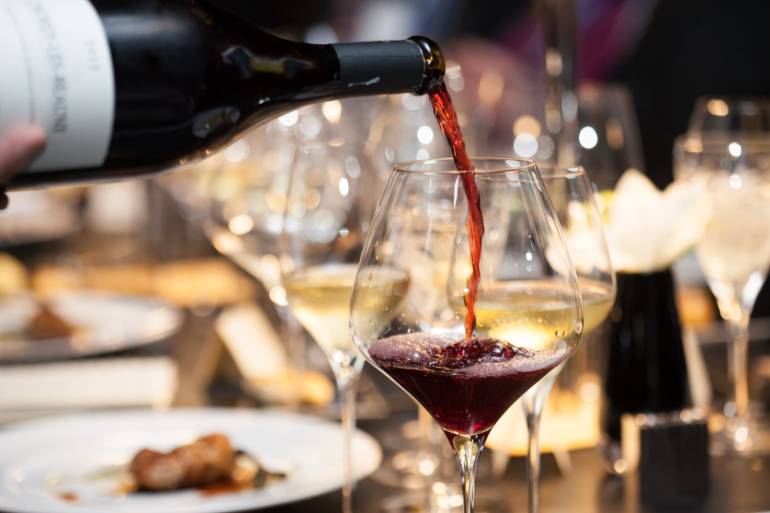
Opening a bottle you have enjoyed before does not always guarantee the exact experience you remember. A familiar wine might taste brighter at dinner than it did during a previous evening, or a bottle that initially feels muted may become more expressive after sitting in the glass for a while. The wine itself may not be the only reason for the difference.
Paying attention to small details that can change the way wine tastes can make drinking wine more interesting without turning every glass into a technical exercise. Temperature, glassware, food, and timing can influence what you notice, making simple adjustments worth considering before deciding how you feel about a bottle.
Serving Temperature Can Shift What You Notice
Depending on the wine’s temperature when you pour it, you may notice certain characteristics more strongly than others. A wine served very cold may feel crisp and refreshing, but the chill can make some aromas and flavors harder to notice. As the glass warms slightly, characteristics that initially stayed in the background may become easier to recognize.
Serving a bottle warmer than intended can create a different experience, particularly if the alcohol becomes more noticeable or the wine loses some of the balance you expected. You do not need to chase a precise temperature every time you open a bottle, but noticing how the wine changes as it sits in your glass can reveal whether you prefer it a little cooler or warmer.
Your Glass Can Influence the Experience
Choosing a wineglass can feel like a decorative decision until you compare how the same wine presents itself in different vessels. The shape and size of the glass affect how much room the wine has and how its aromas reach you while you drink. Even the amount poured can change the available space inside the glass.
You do not need specialized glassware to enjoy wine at home, so there is little reason to turn the cupboard into a collection of shapes for every possible variety. A clean glass with enough room to swirl comfortably can work well for many occasions. Paying some attention to the drinking vessel can still be worthwhile, especially when you are trying to figure out why a familiar bottle feels different.
A Little Time Can Make a Difference
Although the first sip provides an immediate impression, it does not always tell you everything a bottle has to offer. Once you pour wine into a glass, contact with air begins changing the experience. Some wines may become more expressive after several minutes, while others are enjoyable immediately and do not need an extended wait before drinking.
When a bottle initially feels closed or less expressive than expected, giving it a little time can be worthwhile before making a final judgment. Knowing how to let wine breathe for better flavor can provide useful context for deciding when additional exposure to air might suit the bottle you opened. The process does not have to become a complicated ritual. You might simply pour a glass, continue preparing dinner, and return to it a few minutes later.
Food Changes What Happens Between Sips
Pairing wine with a meal introduces another variable because each bite changes what remains on your palate before you take another sip. A bottle can therefore feel noticeably different alongside food than it did when you sampled it on its own. Depending on the dish, particular qualities in the wine may become more noticeable while others move into the background.
Because of that interaction, a wine that feels slightly sharp by itself might become more enjoyable once dinner reaches the table. Another bottle that seemed perfectly balanced before the meal could lose some of its appeal next to a strongly flavored dish. Pairing does not need to follow rigid rules to be useful. Paying attention to what happens after a bite can tell you more about your preferences than memorizing prescribed combinations.
The Condition of Your Glass Is Important
Even carefully selected wine can pick up distractions from a glass that is not completely clean. Detergent residue or lingering odors can interfere with the aromas you expect to encounter, particularly when those scents become noticeable as you lift the glass. Because smell contributes heavily to the drinking experience, a minor household detail can alter your impression of what you poured.
Before pouring, taking a moment to check that a glass looks clean and smells neutral can prevent those distractions. Strongly scented dish products may leave an unwanted impression, so thoroughly rinsing glasses and letting them dry away from surrounding odors can preserve a cleaner experience. A small habit in the kitchen can keep your attention on the wine.
Your Surroundings Can Affect Your Perception
Depending on where you are drinking wine, you may pay very different levels of attention to what is in your glass. At a crowded celebration, you might enjoy a drink while concentrating primarily on conversation. Sitting down for a quieter dinner may give you more opportunity to notice details that passed unnoticed when the same style of wine appeared at a busier gathering.
Expectations can influence the experience as well. Reading an elaborate description before tasting may encourage you to search for characteristics, while tasting without much information leaves more room for your immediate reaction. Neither situation provides the single correct way to experience wine. Recognizing the influence of context simply makes it easier to separate what you genuinely enjoy from what you expected to notice.
Give a Bottle More Than One Chance
Although personal preference ultimately matters most, serving conditions can make judging a bottle from one sip less useful than it appears. A wine you initially dislike might taste different after warming slightly in the glass or once food reaches the table. Revisiting it under slightly different circumstances gives you more information without requiring much additional effort.
Becoming aware of small details that can change the way wine tastes is less about adding rules to an enjoyable experience and more about noticing why one glass may appeal to you more than another. When a familiar wine surprises you, a few ordinary variables may explain the difference. Paying attention to those changes can make it easier to identify what you enjoy and recreate the conditions that brought out the best in a bottle.