
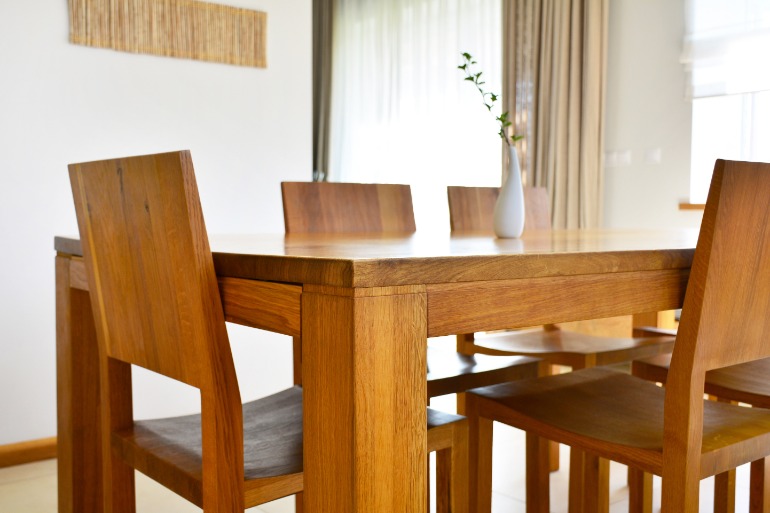
The dining table might be the hardest-working piece of furniture in the house. It handles hurried school-day breakfasts and conversations that stretch long after dinner. On some afternoons, it becomes the unofficial homework headquarters.
Shopping for a new table can feel surprisingly personal. You might love a sprawling farmhouse design, but your dining room barely fits six chairs. Or perhaps a cozy round table fits beautifully until relatives come for Sunday dinner. The right choice should suit your space and make everyday family life a little easier. These tips will help you find the right table for your family.
Start With Your Routine
Before looking at finishes or table shapes, think about what happens around your current table. Does everyone eat together most evenings, or do family members come and go throughout the day?
Consider activities beyond meals. Younger children may spread out art supplies, while older students might need room for textbooks. If the table doubles as a workspace, a sturdy surface and comfortable seating deserve extra attention.
Let your daily habits guide the search instead of designing the room around a picture from a furniture catalog.
Measure the Walking Space
A table can fit between two walls and still feel enormous once people pull out their chairs. Measure the room before shopping, including any nearby cabinets or doorways.
As a useful starting point, aim for about 36 inches between the table edge and surrounding obstacles so diners can move their chairs. Busy walkways may benefit from 42 to 48 inches or more.
Mark the proposed table footprint with painter’s tape. Then imagine someone carrying dinner through the room while another person sits. Those subtle movements reveal whether the layout will feel comfortable.
Match the Table Shape
Rectangular tables work well in longer dining rooms because their proportions follow the walls. They also offer generous seating along both sides when you have enough width.
A round table encourages conversation because diners can see one another easily. It can soften a compact room, although large round designs demand more floor space than shoppers sometimes expect.
An oval table offers softer edges while preserving some of a rectangle’s seating flexibility. Choose the shape that creates the clearest path through your room.
Count Seats Realistically
A table’s advertised seating capacity doesn’t always accommodate a comfortable family dinner. Elbowroom tightens when people need space for serving dishes.
Allow roughly 24 inches of table edge per diner as a starting point, and allow more space for relaxed meals. Wider chairs or chairs with arms may require additional room.
Check where the table legs sit before counting seats. A leg that blocks someone’s knees can make an otherwise spacious table inconvenient. If possible, test the arrangement with the chairs you plan to use.
Plan for Extra Guests
Your household might need four seats on an ordinary Tuesday and eight during the holidays. An extendable dining table can accommodate both occasions without taking up the maximum space every day.
Compare extension mechanisms before buying. Some leave storage inside the table, while others require a separate storage spot. Test whether one person can extend the table without struggling.
Remember that added length also requires more walking space. Measure the room with the table fully extended, not just in its everyday position.
Find a Comfortable Height
Dining tables generally stand about 28 to 30 inches tall, but that range doesn’t guarantee a comfortable fit with every chair. Seat height and legroom influence how relaxed people feel.
To find the right table height, compare the tabletop with the chairs your family already enjoys using. Standard dining chairs commonly have seats around 17 to 19 inches high, leaving roughly 10 to 12 inches between the seat and tabletop.
Sit down and check whether your knees clear the underside. Pay attention to younger family members, who may need an appropriate booster or foot support.
Look Closely at the Base
Table legs influence how many people can sit comfortably and how easily chairs slide underneath. Four corner legs may look traditional, but their placement can limit seating at the ends.
A pedestal base often provides more flexibility around a smaller round table. However, a wide pedestal can still compete with feet beneath the tabletop.
Test the base for stability before committing. Nobody wants a table that rocks whenever a child leans against one side, or someone sets down a serving platter.
Choose a Family-Friendly Surface
Solid wood brings natural warmth and can develop a beautiful character over time. It also needs care because moisture or heat can damage certain finishes.
Wood veneer offers another appearance option, while many quality laminate surfaces simplify daily wiping. Glass can create an airy look, but fingerprints may become an everyday chore.
Ask how the manufacturer recommends cleaning the specific finish. Choose a surface that suits your willingness to maintain it rather than assuming every material handles spills the same way.
Think About the Little Details
A glossy tabletop may look stunning in the showroom, but bright reflections can bother diners near a sunny window. A textured finish might disguise minor marks more effectively.
Consider the color alongside your existing flooring. A little contrast can help the table stand out without making the entire room feel crowded.
Pay attention to edge profiles, too. Softer corners may feel more comfortable in homes with young children, especially when the room has narrow walking paths.
Pair It With Practical Chairs
The right table needs chairs that fit both the room and the people using it. Oversized dining chairs can make a modest table feel cramped even when its measurements look reasonable.
Test seat comfort during a full conversation rather than sitting for only a few seconds. If you prefer upholstered chairs, choose fabric that accommodates your household’s typical spills.
A bench can provide flexible seating for children, but consider whether adults will enjoy using it regularly. Leave enough space to pull each seat away from the table safely.
Keep the Budget in Perspective
An expensive table isn’t automatically the best choice for a busy household. Compare construction quality and maintenance needs before deciding whether an upgraded material earns its price.
Ask about warranties and what they cover. Some exclusions may apply to water damage or everyday wear, so read the terms carefully.
Factor in delivery costs if the retailer charges separately. A durable table that fits your routine offers better value than a dramatic design that makes every dinner inconvenient.
Check the Delivery Route
A table that fits the dining room still needs to make it through the front door. Measure stairways and narrow turns before ordering a large piece.
Ask whether the tabletop arrives separately from its base and whether the delivery crew handles assembly. Confirm that the finished table can pass through the route without damaging surrounding walls.
A little planning now can save a frustrating conversation on delivery day. Clear the intended spot ahead of time so the new table can take its place immediately.
Make Room for Real Life
Finding the right dining room table for your family means balancing the look you love with the space you use every day. Shape influences conversation, while thoughtful dimensions help everyone sit comfortably.
Take measurements and bring the family into the decision when possible. Let the way you eat together guide the final choice. The best table won’t simply fill the room. It’ll become a welcoming place for the moments your family shares.