
Fabrication is often overlooked as a mundane part of the manufacturing process, but in reality, it’s essential, versatile, and packed with problem-solving ingenuity. This article takes a not-so-boring look at common fabrication projects, unveiling their importance and showcasing why they deserve recognition. Whether it’s metalwork, machining, welding, or creating aerospace components, fabrication shapes our industries and infrastructure.
Custom Metal Fabrication Drives Industry Innovation
Sturdy, adaptable, and immensely useful, custom metal fabrication forms the foundation of countless manufacturing endeavors. This process involves cutting, bending, or assembling metal into specific shapes or structures tailored for various applications. From automobile parts to industrial equipment, these projects are found everywhere.
What truly brings these components together into high-performing parts are finishing options for custom metal fabrication projects. Options like powder coating or anodizing enhance aesthetic appeal, ensure durability and corrosion resistance, and deliver function and style in one package. Whether you’re crafting a sleek metal railing for an architectural masterpiece or durable brackets for industrial machinery, metal fabrication opens endless possibilities to meet practical and creative needs.
Machining Brings Precision to the Forefront
Machining represents the pinnacle of precision engineering. Used to shape and cut raw materials into specific components, machining is critical in fabricating highly accurate parts for industries, such as automotive, consumer electronics, and healthcare. With advancements in computer numerical control (CNC) machines, modern machining can achieve tolerances as fine as a micron.
Welding Holds It All Together
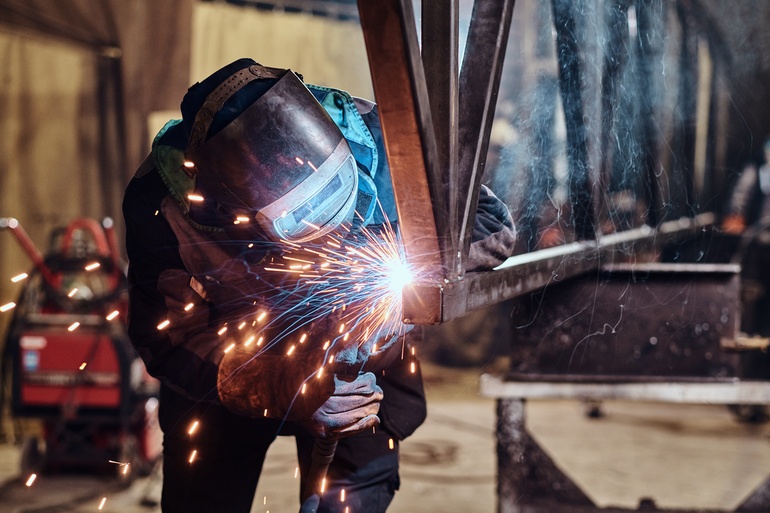
Welding functions as one of the most enduring and dependable methods for binding materials. Far from simply fusing two pieces of metal, welding forms the backbone of modern construction and infrastructure, whether it’s in bridges, buildings, or pipelines. With advancements like robotic welding, this process remains at the cutting edge of fabrication technology.
For example, welded joints in a high-rise building must withstand strain from natural elements while adapting to load stress, and only meticulous welding ensures this level of stability. Innovative techniques like laser welding have opened avenues for cleaner, stronger joints, reinforcing welding as the invisible force that holds industries together.
Elevating Function With the Right Finishes
Fabrication projects don’t stop at shaping; the final outcome is significantly influenced by the chosen finishes. Polishing, painting, and electro-plating are effective ways to refine raw material into a polished product. Durable finishes extend the lifespan of components by protecting them from wear, weather, and corrosion, while also elevating their appearance to align with brand or project requirements.
Aerospace Components Push Boundaries
Fabrication projects take on a whole new dimension when it comes to the not-so-boring aerospace sector. Parts for spacecraft and aircraft must endure extreme conditions while meeting stringent safety and reliability standards. Lightweight alloys, such as titanium or aluminum, create fuel-efficient and reliable structural components.
Consider turbine blades in jet engines. These intricate parts rely on a blend of precise machining and innovative finishing techniques to combat extreme temperatures and pressures, all while maintaining peak performance. This level of fabrication exemplifies how craftsmanship and advanced technology merge to further industry progress.
Fabrication serves as the silent hero behind countless creations we rely on every day. With its wide-ranging applications, it simplifies complex challenges, builds industries, and shapes the future. Curious about how fabrication can bring your next project to life?