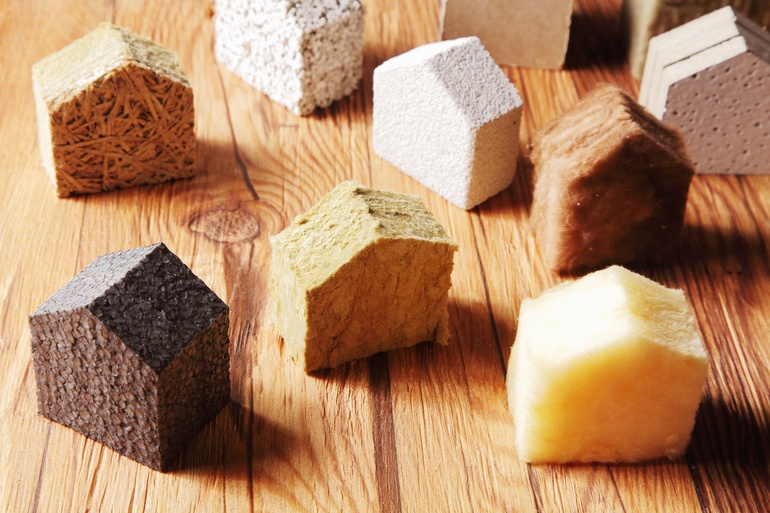
Keeping your home cozy and energy-efficient starts with one critical lynchpin: insulation. With so many options out there, choosing the right type can feel like navigating a maze, as each option has its unique advantages.
Some options are better for cutting energy costs, while others are best for reducing noise and maintaining consistent temperatures. This guide offers you a quick rundown of the different types of home insulation to help you uncover the ideal solution for you, whether you’re building a new home or upgrading an older one.
Fiberglass Insulation
Fiberglass insulation is one of the most common and affordable options for homeowners, as it is available in batts, rolls, or as loose-fill fine glass fibers. Fiberglass is effective at reducing heat transfer, making it ideal for walls, attics, and floors.
Its affordability and ease of installation make it a popular choice for DIY enthusiasts. However, it’s important to wear protective gear during installation, as the fine fibers can irritate the skin and respiratory systems. Fiberglass insulation is also non-combustible and resistant to mold, adding an extra layer of safety to your home.
Spray Foam Insulation
Although there are quite a few misconceptions, spray foam insulation is an excellent choice for sealing gaps and cracks, providing both insulation and an effective air barrier. This type of insulation comes in two forms: open-cell and closed-cell foam.
Open-cell foam is lightweight and flexible, while closed-cell foam is denser, offering higher insulation performance (R-value). Spray foam is perfect for hard-to-reach areas, such as around pipes, wiring, and along the edges of walls. Though it’s more expensive upfront, it can reduce energy bills significantly over time by creating a tight, energy-efficient seal.
Cellulose Insulation
Cellulose insulation consists of recycled paper products treated for fire resistance and is an eco-friendly option for homeowners looking to reduce their environmental impact. You’ll often see installers use it as a loose-fill material that they blow into attic spaces or wall cavities, providing excellent coverage.
Cellulose is great at blocking air leaks and dampening noise, making it a versatile choice. However, it can absorb moisture, so it’s crucial to ensure proper sealing and ventilation to avoid mold growth.
Rigid Foam Insulation
Rigid foam insulation, or foam board, consists of panels made from polystyrene, polyisocyanurate, or polyurethane. Rigid foam is known for its superior insulating properties and is ideal for exterior walls, basements, and unvented low-slope roofs.
The panels are lightweight, durable, and resistant to moisture, making them a reliable choice in areas prone to dampness. One of the biggest advantages of rigid foam is its high R-value, meaning it provides excellent thermal resistance even with a thin application.
Selecting the best option from this quick rundown of the different types of home insulation is an investment in comfort, efficiency, and sustainability. The right choice can transform your home into a quiet, cozy retreat with steady temperatures and lower energy bills year-round. So, get started today and make your home a place that’s as efficient as it is inviting, no matter the season.