
A small home-grown food project can turn a spare kitchen corner, shaded balcony or cupboard into a useful source of fresh ingredients. You don’t need a large garden or years of horticultural experience either. Herbs, salad leaves and fungi can all suit compact homes, helping you learn how food grows whilst making everyday meals feel a little more satisfying.
The Rise of Home Food Production
More households are exploring home food production as a practical hobby, especially where outdoor space is limited. A windowsill planter can supply herbs, whilst containers can hold tomatoes, strawberries and salad leaves. Indoor projects extend the growing season and give flat dwellers a chance to take part too.
If you’re considering a larger vegetable patch, this guide to becoming self-sufficient when growing your own food offers a realistic look at the space and effort involved. Start with one crop you regularly eat, record what works and expand only when the routine feels manageable. For those looking to make their home more resourceful, this guide to creating a more self-sufficient home explores other practical ways to produce more of what you need at home.
Why Mushrooms Are a Great Choice
Mushrooms need no sunny windowsill, making them useful for kitchens and homes where natural light is scarce. Many varieties grow on prepared blocks or substrates containing materials such as straw, sawdust or coffee grounds. A cupboard, utility room or sheltered shelf may provide suitable conditions, depending on the species.
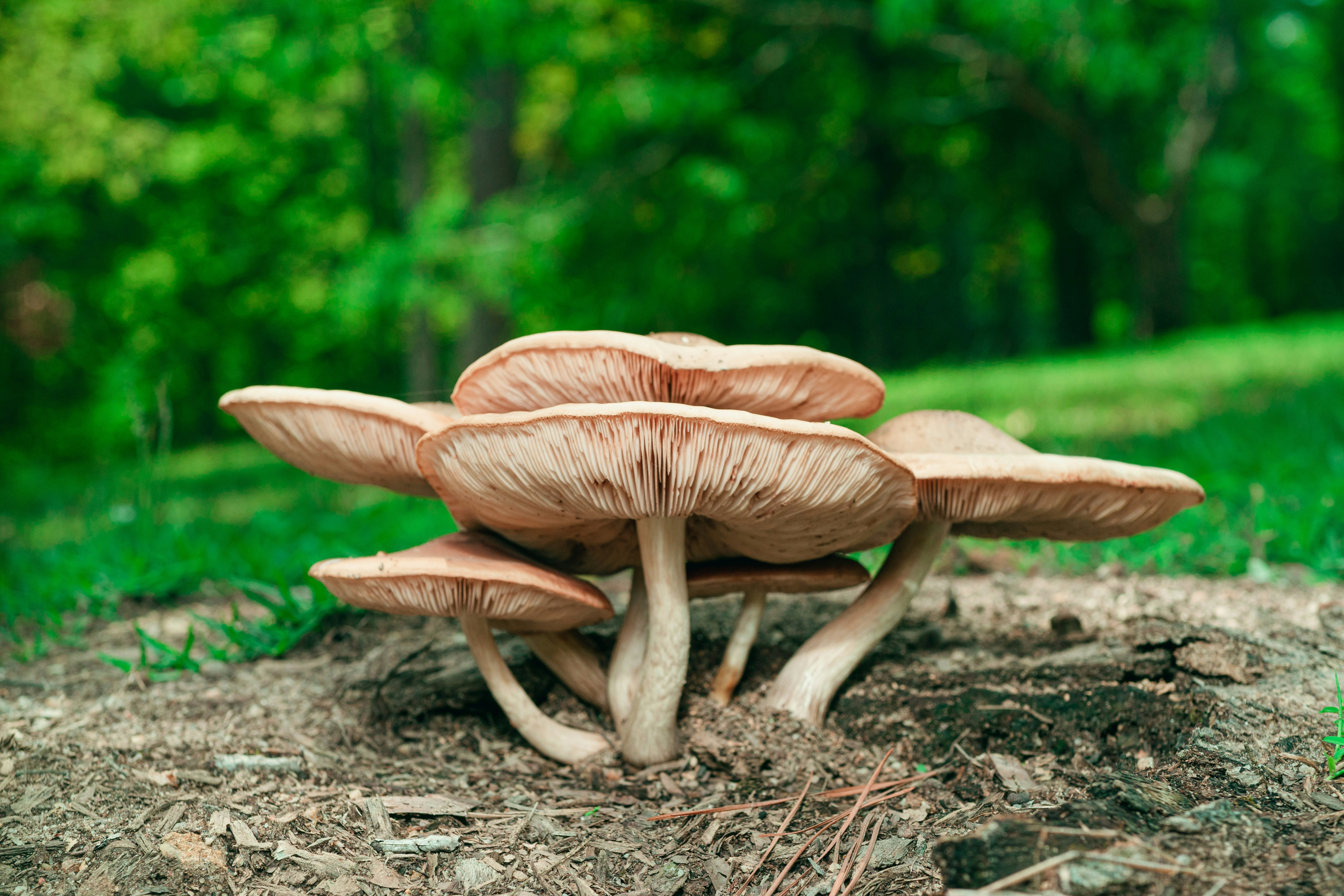
The home mushroom growing process is also surprisingly visible. Once fruiting begins, small pins can develop into recognisable mushrooms within days. This makes fungi particularly engaging for families and beginners who enjoy seeing quick changes. Oyster mushrooms are often a friendly starting point because they grow in clusters and suit several cooked dishes.
Starting Your Fungi Farm
Choose a kit or prepared fruiting block for your first attempt. Reliable mushroom growing supplies include beginner kits, cut-and-grow boxes, all-in-one grow bags and fruiting blocks, so you can select an option that matches your available space and confidence.
Follow the instructions supplied for the specific variety, as temperature and humidity needs vary. In general, you’ll need to:
- Keep the block away from direct sunlight
- Maintain the recommended temperature range
- Mist as instructed without soaking the growing material
- Allow fresh air to circulate around developing mushrooms
- Harvest clusters before their caps become overly mature
Wash your hands before handling the kit and use clean scissors or a knife at harvest time.
Benefits for Your Health and Home
Edible mushrooms bring texture and savoury flavour to soups, pasta dishes, risottos and stir-fries. Their nutritional value varies by type, though mushrooms can provide B vitamins and minerals as part of a balanced diet. The nutritional profile of mushrooms can help you compare common varieties and serving sizes without relying on exaggerated health claims.
Growing them also introduces a calm, hands-on routine into the home. Checking humidity and watching new growth takes only a few minutes, yet it creates a closer connection with your food. Children can help with supervised misting and measuring, turning the project into a simple lesson about fungi, decomposition and food production.
Minimising Your Carbon Footprint
Home growing can reduce packaging and shorten the distance between harvest and plate. Its environmental value still depends on the materials and energy involved, so reuse containers where the instructions permit and avoid heating an entire room solely for one small crop. Place the kit somewhere that already stays within its recommended temperature range.
Plan meals before harvesting because fresh mushrooms have a limited storage life. Cook larger flushes in sauces, omelettes or soups, then refrigerate or freeze suitable dishes promptly. Spent substrate may be added to a compost system if the manufacturer confirms it’s safe to do so.
Once the first crop appears, note the conditions and harvest date. Those few details will make your next home-grown flush easier to manage.