
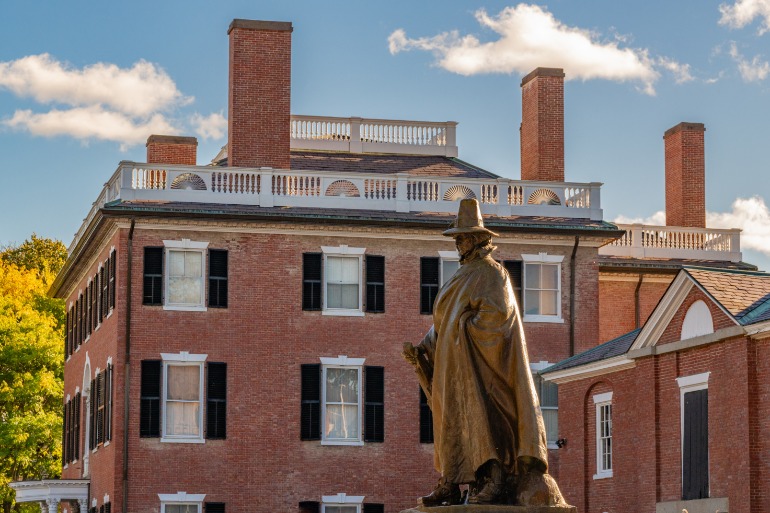
Salem, Massachusetts, offers visitors an extraordinary opportunity to experience American history through preserved landmarks and centuries-old architecture. Although the city gained international recognition for its infamous witch trials, its historical significance extends far beyond those events. From maritime landmarks to colonial homes, Salem preserves fascinating reminders of its evolving identity. Learning about the best historical sites to visit in Salem, MA, helps travelers appreciate the people and events that shaped this coastal community. Whether you enjoy architectural history or stories about early American life, Salem provides memorable experiences throughout its walkable historic districts.
Salem Witch Trials Memorial
The Salem Witch Trials Memorial offers a meaningful place to reflect on one of America’s most troubling historical chapters. Located near the Old Burying Point Cemetery, this outdoor memorial honors the individuals executed during the witch trials of 1692.
Visitors encounter stone benches bearing the names of victims, creating opportunities for quiet reflection. The memorial’s understated design encourages guests to consider the consequences of fear and unjust accusations.
Take time to read the inscriptions and appreciate the historical significance of this location. Unlike attractions that emphasize supernatural entertainment, the memorial focuses on remembrance and the human experiences behind Salem’s reputation.
The Witch House
The Witch House stands among Salem’s most recognizable historical landmarks. This preserved seventeenth-century residence once belonged to Judge Jonathan Corwin, who participated in the witch trial proceedings.
Today, visitors can tour the property and learn about domestic life during colonial Massachusetts. Period furnishings and architectural details provide insight into how prosperous families lived during this era.
The building’s dark exterior and distinctive roofline make it particularly memorable. However, its greatest value comes from the historical connections that distinguish it from other preserved colonial residences. A visit provides useful context for understanding Salem’s social environment before and during the witch trials.
The House of the Seven Gables
The House of the Seven Gables combines architectural preservation with literary history. This historic waterfront property inspired Nathaniel Hawthorne’s famous novel of the same name.
Visitors can tour the mansion to appreciate its unusual architectural features and learn about the families who occupied the residence. Guided experiences reveal how the property changed throughout its history. The surrounding grounds offer attractive views of Salem Harbor, providing another reason to include this destination in your itinerary.
Literature enthusiasts will particularly appreciate the connection between the building and Hawthorne’s creative imagination. The property demonstrates how historical places can influence stories that remain culturally significant generations later.
Salem Maritime National Historical Park
Salem Maritime National Historical Park highlights the city’s important role in early American commerce. During the eighteenth and nineteenth centuries, Salem developed into a thriving international trading port.
Today, visitors can walk along Derby Wharf and imagine the merchant vessels that once carried goods across distant oceans. Historic buildings throughout the waterfront district illustrate how maritime commerce influenced local prosperity.
The Derby Light Station provides another recognizable feature along the harbor. Walking the waterfront allows travelers to appreciate Salem’s commercial heritage while enjoying coastal scenery.
This destination offers a refreshing perspective for visitors who primarily associate Salem with witch trial history. Its preserved waterfront demonstrates the city’s broader contribution to American development.
Old Burying Point Cemetery
Old Burying Point Cemetery ranks among Salem’s oldest surviving burial grounds. Its weathered gravestones offer tangible connections to generations of residents who shaped the community. Visitors can observe traditional colonial gravestone carvings and discover how early Americans expressed beliefs about mortality through decorative symbolism.
The cemetery also contains the grave of Judge John Hathorne, who participated in the witch trial examinations. His presence connects this peaceful setting with Salem’s complicated judicial history.
Walk respectfully through the grounds and allow time to examine the craftsmanship of surviving markers. The cemetery provides an opportunity to consider everyday lives that historical narratives sometimes overlook.
The Peabody Essex Museum
The Peabody Essex Museum offers an engaging perspective on Salem’s cultural heritage. Its collections reflect the city’s longstanding connections with international trade and artistic exchange.
Visitors can encounter historical objects that illustrate how maritime commerce introduced Salem residents to distant cultures. The museum also preserves important examples of regional decorative arts. Architecture enthusiasts may appreciate the museum’s historic properties, which offer additional opportunities to understand changing residential styles.
Unlike destinations focused exclusively on colonial events, this institution presents a broader interpretation of Salem’s place in global history. Its exhibitions encourage visitors to connect local experiences with larger cultural developments.
The Phillips House
The Phillips House provides an intimate look at domestic life in Salem during the early twentieth century. Located along historic Chestnut Street, this preserved residence reflects the lifestyle of an established New England family.
Visitors can examine original furnishings and personal belongings that reveal how household routines evolved over time. The property also highlights the relationship between architectural design and changing expectations of comfort.
Chestnut Street itself deserves attention because its impressive Federal-style homes showcase Salem’s prosperity following its maritime trading success. Walking through this neighborhood helps travelers understand how economic growth influenced residential development. The surrounding architecture creates a beautiful setting for appreciating another chapter of Salem’s history.
Hamilton Hall
Hamilton Hall stands as an elegant reminder of Salem’s Federal-period architecture. Designed by renowned architect Samuel McIntire, the building reflects the refinement associated with the city’s prosperous merchant families.
Its brick exterior and distinctive architectural details demonstrate the craftsmanship that characterized Salem during the early nineteenth century. Although the building primarily serves private functions, visitors can appreciate its exterior while walking through the surrounding historic neighborhood.
Hamilton Hall also illustrates how Salem residents created gathering spaces that supported community relationships. Its enduring presence contributes to the architectural character that makes the city’s historic streets so appealing.
Making the Most of Your Historical Visit
Salem’s compact downtown makes it convenient to experience multiple historical destinations during a single outing. However, thoughtful scheduling helps you avoid rushing through attractions that deserve closer attention.
Consider grouping nearby landmarks together and allowing additional time for guided experiences. You can also plan a history day in Salem with guided tours to gain valuable context about the city’s past. Knowledgeable guides can connect individual landmarks with broader historical events, helping visitors understand relationships between different locations.
Check admission requirements before arriving because some historic properties offer limited visiting hours or scheduled tours. Comfortable walking shoes will also make your experience more enjoyable.
Experience Salem’s Remarkable Past
Visiting the best historical sites to visit in Salem, MA, offers a deeper understanding of this remarkable coastal community. Each landmark reveals another aspect of the city’s history, from colonial justice to maritime prosperity. By visiting preserved homes and meaningful memorials, travelers can appreciate the experiences that shaped Salem’s identity. Take time to appreciate architectural details and consider the people who once occupied these spaces. A thoughtfully planned historical itinerary transforms an ordinary sightseeing trip into a rewarding encounter with America’s past.