Feeling safe and secure in your own home is a basic need, but it’s easy to put off those security upgrades. The good news is, making your space safer doesn’t have to cost a fortune or involve a massive overhaul. By focusing on a few key areas and building good habits, you can significantly boost your home’s security and feel much more at ease. These simple steps will help you create a safer, more protected home.
Start with Strong Locks
Your home’s first line of defense is its locks. If you’ve just moved in, rekeying or replacing them should be your top priority. You never know who might still have an old key. For main entry doors, a good quality deadbolt is essential. Look for one rated Grade 1 or Grade 2; these offer much better resistance against someone trying to force their way in.
Take a moment to check all your exterior doors. Does a lock feel loose? Is the hardware old or rusty? These are clear signs it’s time for an upgrade. Even the best lock isn’t much good if it’s poorly installed. Make sure the strike plate on the door frame is secured with long screws that go deep into the wall stud, not just into the door jamb.
Upgrade Your Entry Points
Locks are crucial, but they’re only one part of securing your home’s entry points. Doors and windows can have other weak spots. A solid door, for instance, can still be compromised by a flimsy frame. You can strengthen it by adding a reinforcement kit, which puts metal plates on the frame and hinges. For sliding glass doors, a simple security bar in the track can stop it from being pried open. You could also add a secondary lock.
And don’t forget your windows, especially those on the ground floor. Make sure all window locks work and that you use them consistently. For extra protection, you can put a security film on the glass, making it much harder to shatter. Taking a full look at these access points helps you get started reinforcing your home’s weak spots effectively.
The Role of Professional Help
While many small security tasks are perfect for a weekend DIY project, some jobs are best left to the pros. If you’re unsure about your locks or need them all rekeyed, calling a professional is a smart move. They can check your home’s specific needs and suggest the right hardware. A pro can also spot vulnerabilities you might have missed.
Getting locked out or losing your keys can be stressful, and that’s when a professional’s help is invaluable. If you need immediate assistance, a mobile locksmith can come to your location to solve the problem quickly and efficiently. This ensures the job is done right without compromising your home’s security.
Smart Home Integration
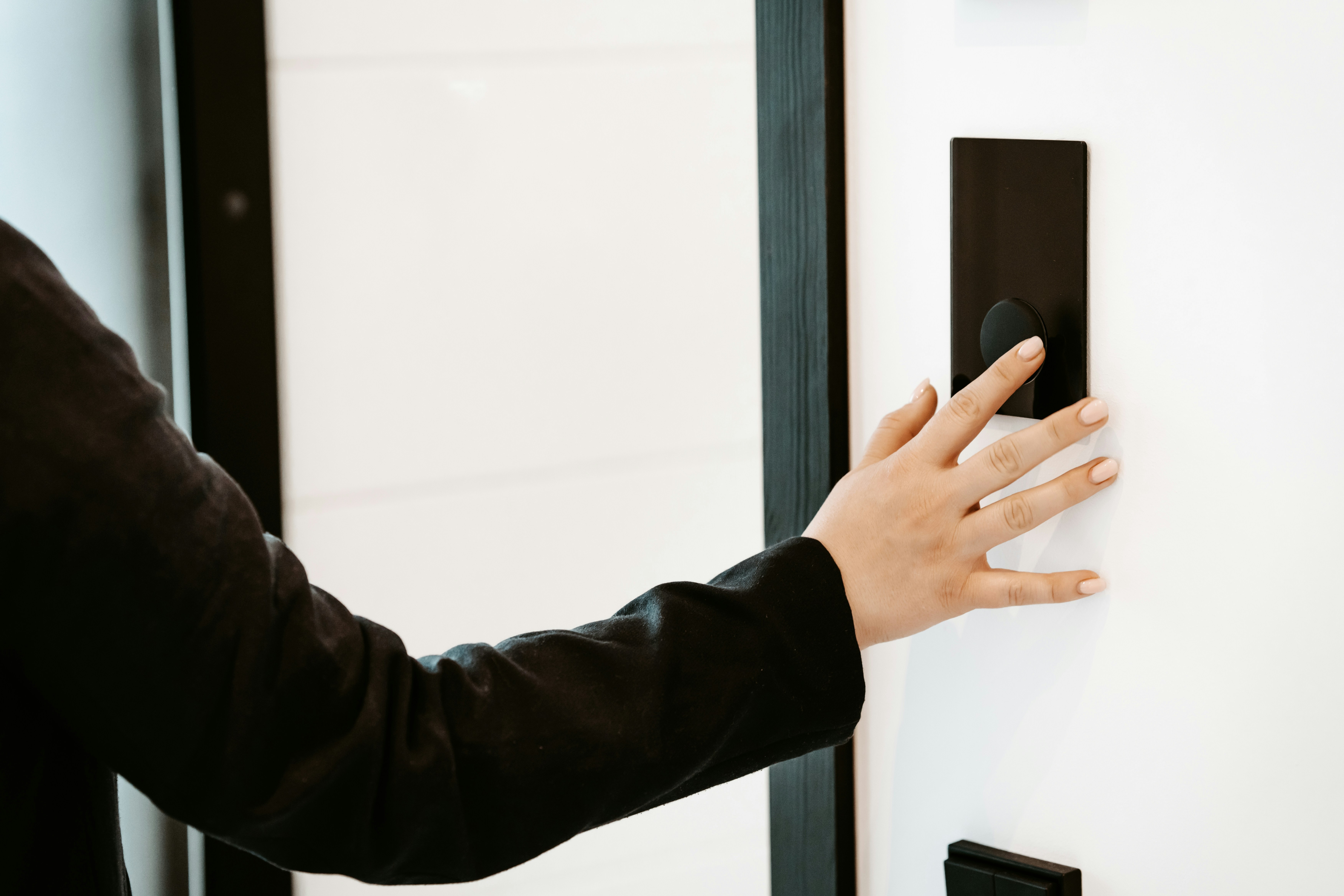
Technology has brought a new level of convenience and control to home security. Smart home devices can work together to create a connected and responsive system. Video doorbells let you see and talk to visitors from your phone, whether you’re home or not. Smart locks offer keyless entry and the option to give temporary access to guests or service providers.
You can also add motion-activated lights to your home’s exterior. These are a strong deterrent, lighting up anyone who approaches your property at night. Many of these devices can be managed from one app on your smartphone, giving you a full overview of your home’s status at a glance. There are many options for improving security on a budget with smart devices.
Maintain Your Security Habits
Even the most advanced security system won’t help if you don’t use it properly. Building and keeping good security habits is just as important as the hardware you install. This starts with the simple act of always locking your doors and windows, even if you’re just stepping out for a few minutes.
Don’t hide a spare key under the doormat or in a flowerpot; these are the first places an intruder will look. Instead, give a spare key to a trusted neighbor or friend. Be careful about what you share on social media. Announcing you’re on vacation for two weeks can make your empty home a target. Small, consistent habits are the foundation of a truly secure home.
Taking these steps can completely change how you think about your home’s safety. It’s an ongoing process of staying aware and being proactive, but every small improvement adds up to a much more secure living space.