
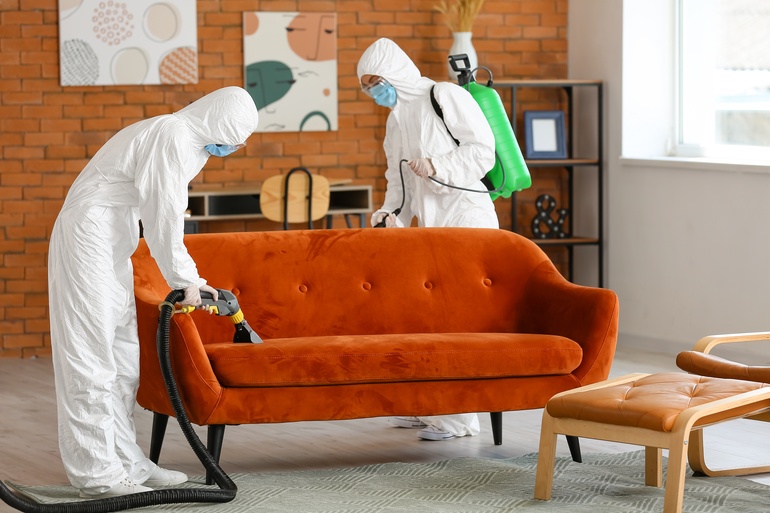
Proper cleaning after a traumatic event is important, but plenty of misconceptions can make handling these situations even more challenging. Misinformation can lead to health hazards, legal issues, and unnecessary stress. Recognizing and understanding these misunderstandings can save you time and money and protect yourself and others. Below are five common misconceptions about cleaning up after a traumatic event and what you need to know.
Misconception 1: Bleach Is Enough To Kill Everything
It’s a common belief that bleach is a catch-all solution for eliminating bacteria, viruses, and bloodborne pathogens. While bleach can somewhat disinfect surfaces, it doesn’t effectively clean porous materials like carpets, fabrics, or wood. Worse, relying solely on bleach may fail to neutralize harmful biohazards, leaving behind dangerous pathogens. Professional-grade equipment and specialized disinfectants are essential for thorough cleaning, especially after a crime scene or accident.
Misconception 2: DIY Is Always Cheaper
Many people think cleaning up a traumatic event themselves will save money, but this can backfire. Improper cleaning can lead to re-contamination, lingering biohazards, and serious health risks if harmful pathogens are left behind. This thinking can result in expensive medical bills or even additional cleaning costs to correct the mistakes. Professional cleaning services don’t just save you time; they also help you avoid long-term financial and health consequences.
Misconception 3: It’s Okay To Throw Everything Away
After a traumatic event, there’s often a temptation to throw everything away and move on. However, improper disposal of biohazardous materials can have serious legal and environmental consequences. You should discard items contaminated with blood or bodily fluids according to strict local and federal guidelines. Working with certified professionals ensures they dispose of these dangerous materials safely and comply with the law.
Misconception 4: The Odor Will Go Away on Its Own
Whether from blood, bodily fluids, or other biohazardous materials, odors left behind after a traumatic event are more than just unpleasant. Lingering odors often indicate that contaminants are still present, which can pose ongoing health risks. Over-the-counter deodorizers won’t address the root cause of the problem. Professional cleaners use advanced techniques, such as ozone treatments, to completely remove odors and eliminate any remaining biohazards.
Misconception 5: Home Insurance Covers Everything
Many people assume that their home insurance will automatically cover the costs of cleaning after a traumatic event. While some policies may include biohazard cleanup under specific circumstances, coverage often varies widely. Expenses for professional cleaning services might only be partially covered or excluded altogether. It’s vital to review your policy in detail and seek professional guidance to understand your options.
Properly handling the aftermath of a traumatic event is not something you should take lightly. Don’t attempt to clean up a crime scene yourself because of the harmful pathogens that may remain. Instead, rely on trained professionals who follow industry standards and safety protocols. They’ll remove potential risks, address odors, and provide peace of mind during a difficult time. If you find yourself in this situation, reach out to a professional cleanup service to protect yourself and those around you.