
Building a sustainable home starts with thinking about how you’ll use the space every day and what it will need to stay comfortable over time. Window placement, insulation choices, and material selection all affect energy use, maintenance, and the feel of each room. Getting these details right during the design stage can help you create a home that works well for your household and costs less to run over the years.
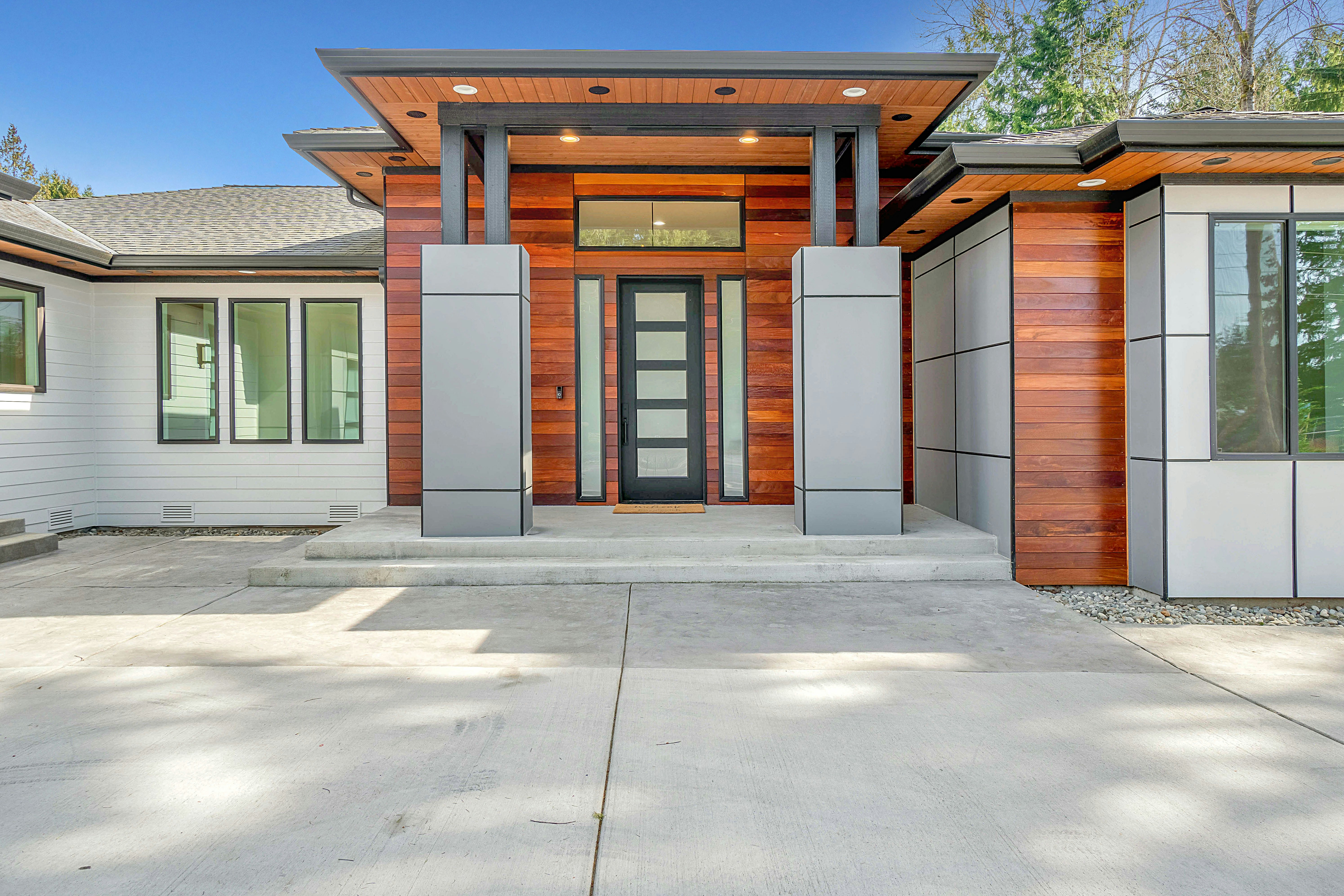
Beyond Basic Green Materials
Look past labels such as “natural” or “eco-friendly” and examine a material’s full life cycle. Ask where it comes from, how long it should last, and whether it can be repaired or recycled. Reclaimed wood, recycled metal, and locally produced masonry can work well, but durability still matters. Replacing a poorly suited product after ten years wastes more resources than choosing a long-lasting option at the start.
Several sustainable home methods combine responsible materials with careful construction. Ask suppliers for product certifications and ingredient information. Low-VOC paints, formaldehyde-free cabinets, and responsibly sourced timber can also support healthier indoor air.
Passive Design Principles for Efficiency
Plan the building around the local climate before selecting heating and cooling equipment. Window orientation, roof overhangs and room layout can capture useful winter sunlight while limiting summer heat. Cross-ventilation may reduce air-conditioning use when operable windows sit on opposite sides of a room.
Insulation and airtight construction also need close attention. Gaps around pipes, doors and roof junctions can undermine even high-performing materials. Windows deserve particular care because their size, glazing and installation affect comfort year-round. When planning these features, consider how each decision affects the others, rather than treating insulation, ventilation, and glazing as separate choices. If you’re working with an architect, a practice such as Wotton Donoghue Architects is an example of a firm working across different building types, where these design considerations need to be tailored to the project.
Integrating Renewable Energy Systems
Reduce the home’s energy demand first, then size renewable systems around its expected consumption. A smaller, efficient home may need fewer solar panels than a poorly insulated property with the same floor area. When improving an existing home, review at least 12 months of energy bills. For a new build, ask for an energy model based on occupancy, climate and appliance loads.
Solar panels work best on an unshaded roof with suitable orientation and enough clear space. Battery storage can keep more generated power available for evening use, though its value depends on local energy prices and household routines. Consider future needs too. Accessible wiring routes make later upgrades easier and less disruptive.
The Role of Thoughtful Architectural Design
Good architectural design connects sustainability with ordinary routines. A utility room near an outdoor drying area makes line-drying laundry convenient. Built-in storage can help a modest floor plan function well without adding unnecessary square footage. Flexible rooms may serve as a home office now and a bedroom later, extending the property’s useful life.
Create a clear project brief before drawings begin. Record the number of occupants, daily habits, accessibility needs, and likely changes over the next decade. Practical eco-friendly design tips can help you identify priorities, from efficient fixtures to natural light. Ask the design team to explain how each feature affects energy use, maintenance and comfort.
Long-Term Value and Livability
A sustainable home should remain affordable and pleasant to live in. Choose systems that local technicians can service and finishes that you can clean or repair without specialist products. Keep filters, controls, and shutoff points easy to reach. These details encourage regular maintenance and can extend equipment life.
The most successful design will feel simple in daily use. Rooms stay comfortable, daylight reaches the places you use most, and maintenance tasks fit naturally into your routine.