
A family backyard works best when it can change as children grow, interests shift and play equipment comes and goes. Thoughtful placement of activity zones, seating and plants can prevent expensive redesigns later. It also helps adults enjoy the space while keeping younger children within sight. Start with a simple sketch of the yard, including sunny areas, shaded spots, doors, paths and drainage points. That rough plan will make the following decisions much easier.
Zoning Play Areas and Relaxation Corners
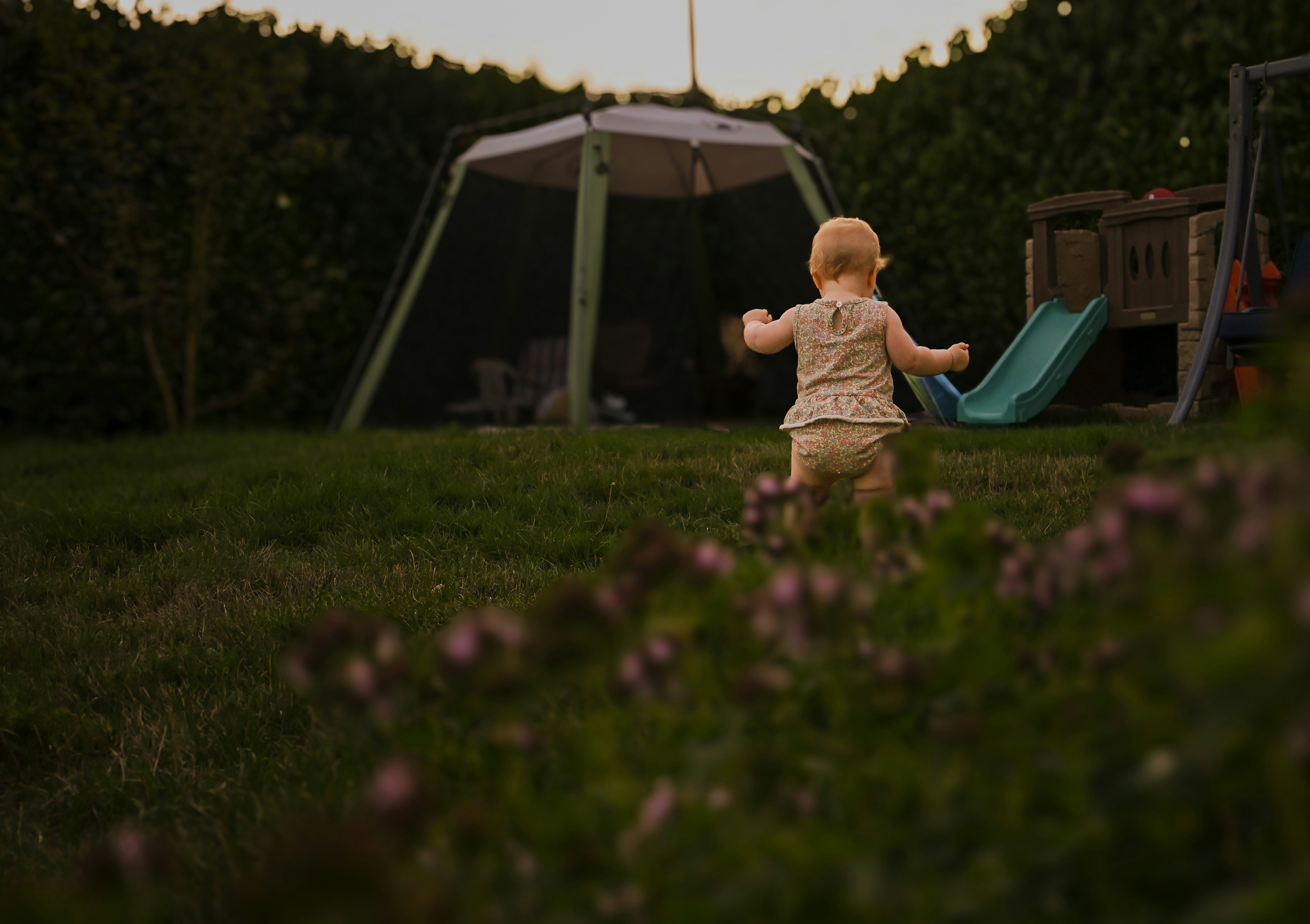
Divide the yard according to how your family uses it during a normal week. A clear play zone might hold a sandbox, small climbing frame or open patch for ball games, while a nearby relaxation corner gives adults comfortable seating and a clear view of the action. These kid-friendly backyard ideas can help you picture how shared spaces work in real homes.
Keep permanent features toward the edges so the center remains flexible. A preschool playhouse can later become a reading nook, potting station or shaded bench. Leave paths at least 3 feet wide where possible, giving scooters, strollers and garden carts enough room to pass without damaging planting beds.
Sourcing Child-Safe Ground Covers
Match the surface to the activity above it. Grass suits running and casual games, but high-traffic patches under swings or climbing equipment need impact-absorbing surfacing designed to soften falls. Check the equipment maker’s guidance for surface depth and fall-zone dimensions before ordering materials.
For garden paths and low-traffic corners, compacted material or smooth pavers can reduce mud carried into the house. Families completing projects around Lismore can compare sand, gravel, mulch, decorative stone and pavers through local landscape supplies. Measure each area in square feet, confirm the required depth and ask how much material is needed. Avoid loose stones in spaces used by toddlers who still put objects in their mouths.
Durable Plants That Stand Up to Rough Play
Choose sturdy plants that tolerate the occasional stray ball, bumped branch or hurried shortcut. Ornamental grasses, compact shrubs and flexible ground covers often recover more easily than brittle stems or delicate flowers. Keep thorny, irritating or toxic varieties away from play spaces and check plant labels before buying.
Place tougher plants along busy routes, then reserve fragile favorites for raised beds or protected borders. The advice on creating a safe and beautiful outdoor oasis is useful when balancing family safety with an inviting design.
A wide planted border can also create a soft boundary between active and quiet zones. Leave small gaps for access so children don’t create their own paths through the beds. Mulch helps protect roots and makes weeds easier to manage.
Simple Storage for Outdoor Toys
Outdoor storage should be easy enough for children to use without help. Low, weather-resistant bins work well for balls, chalk and sand toys, while wall hooks can hold jump ropes, helmets and small garden tools. Add picture labels for younger children and words for early readers.
Place everyday items close to the play zone, but keep the container away from areas where rainwater collects. Drill drainage holes only if the bin design allows it and check regularly for trapped water. Long equipment can sit in a narrow upright rack inside a shed or covered area.
Review the contents at the start of each season. Remove broken toys, pass along outgrown items and move current favorites to the front. This quick reset keeps cleanup manageable and frees space as children develop new interests.
A yard that changes gracefully doesn’t need to predict every future hobby. Flexible open space, resilient materials and storage children can reach will do most of the work. As the sandbox gives way to a basketball hoop or the playhouse becomes a quiet retreat, the backyard can keep serving the whole family without a major overhaul.