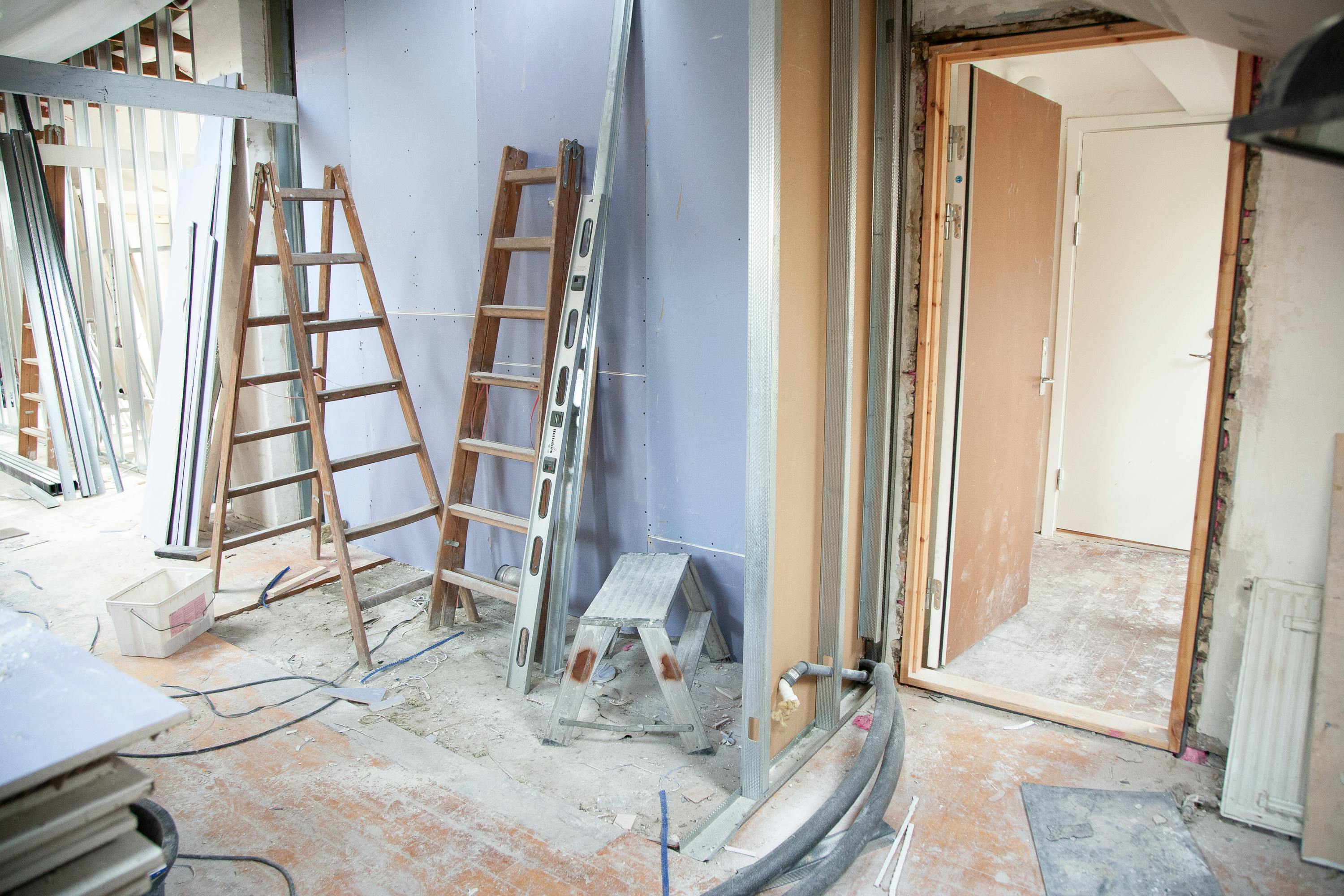
Energy efficiency starts with the outer shell of a home or commercial building. This includes walls, roofs, windows, and doors. If heat escapes easily, systems must work harder to maintain indoor comfort. Upgrading to double-pane or low-E windows and sealing all entry points can significantly reduce thermal loss. Weatherstripping and caulking around frames help close gaps. These upgrades are often simple but provide noticeable reductions in energy demand.
Immediate Ways to Save Money on Your Utility Bill – Home Upgrades
One of the simplest and most effective ways to begin saving money on your utility bill is to focus on home upgrades. Insulation is one of the most cost-effective forms of conservation and can greatly limit how much you have to run your heating or cooling system. Radiant barriers for homes in warmer climates can help reflect rather than retain heat, and contractors like Insulation Commandos offer specific solutions for residents who don’t want to worry about retaining heat. There is no question that properly insulated buildings will save you money each month in terms of utility bills and the consistency of your indoor temperatures.
More Efficient Heating and Cooling Systems and Smarter Thermostats
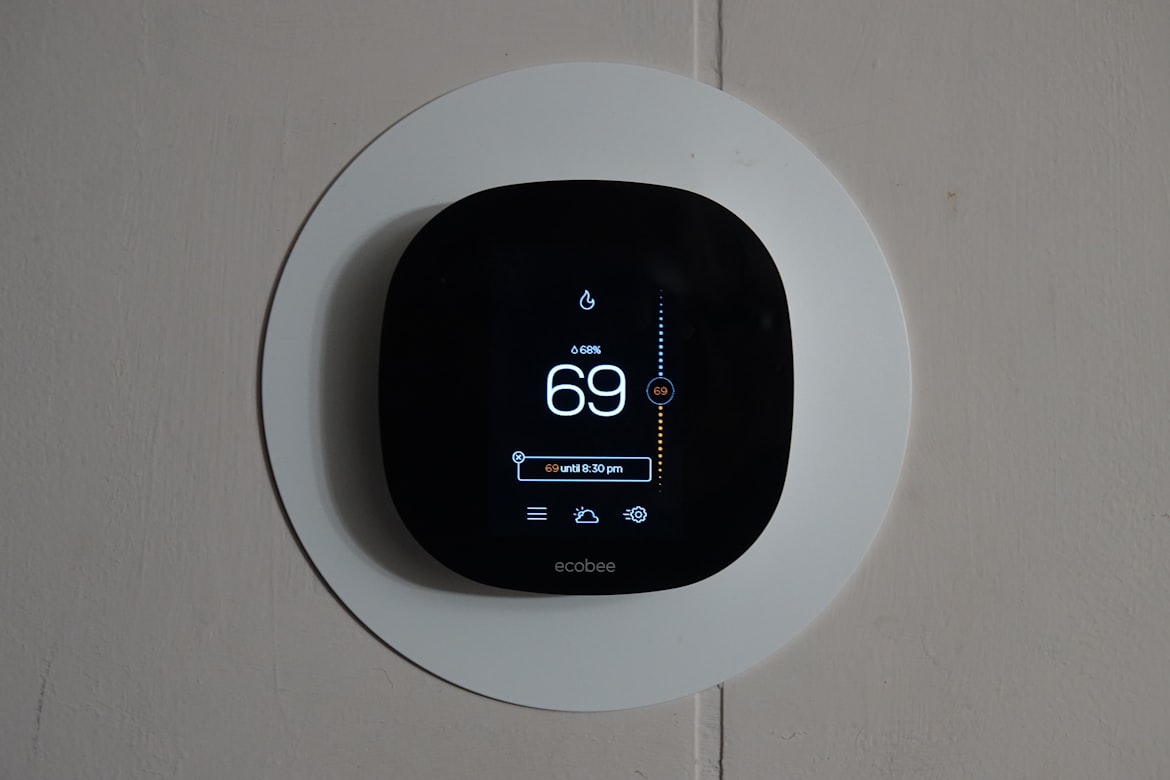
In many homes, heating, ventilating, and air conditioning systems are among the largest consumers of energy. By replacing old equipment with new energy-star-rated products, homeowners can significantly reduce their electrical energy consumption. Installing smart thermostats, which learn and adjust to occupants’ habits, can improve heating and cooling systems even further. Finally, zoning systems allow homeowners to control the heating and cooling in separate areas of the house independently, providing even greater efficiency.
Home Lighting and Appliance Upgrades
While lighting accounts for a relatively small portion of the overall energy used in the average household, it is definitely worth paying some attention to. LED light bulbs require far less electricity to produce the same amount of light as incandescent bulbs, and they last significantly longer. Therefore, when all of the light bulbs in a home are replaced with LEDs, the savings compound. It’s recommended to review the energy performance of major appliances, including refrigerators, water heaters, and washing machines, as well. Replacement of a single appliance with an energy-efficient model can lead to significant reductions in energy consumption and costs, especially when these types of replacements are made along with other energy-efficient upgrades.
Alternative Energy Options and Backup Systems
Installing photovoltaic solar panels to generate alternative energy is another way to decrease dependence on an electric company for energy needs. For homeowners in sunny locations, solar systems are typically very dependable and provide substantial savings over time. Some homeowners also choose to install battery banks to store excess energy generated during the day for use at night or during periods of high demand or outage conditions. Although local regulations and incentives vary, the cost to install solar has declined substantially in recent years and is becoming more economically viable for both residential and commercial users.
Regular Home System Maintenance and Performance Tracking
Regardless of whether you install new systems or simply replace old ones, if you do not maintain them properly, they will eventually lose their value and stop providing energy savings. Homeowners should inspect and service their systems periodically to identify potential issues. Regular maintenance may include changing filters, checking for blockage or damage in ducts and vents, and checking seals around doors and windows to prevent heat loss. Many utilities and third-party companies also provide energy monitoring services that can help you understand your energy consumption and assist you in identifying small changes to behavior or scheduling that can result in additional energy savings. More recently, there have been various software-based programs developed to collect and analyze the data collected by energy monitors and provide recommendations to optimize energy consumption based upon actual energy usage and production data.
Final Notes
Every building has different energy demands and limitations. Effective enhancements begin with assessment and continue with consistent maintenance. The technologies and services available today make it practical to improve efficiency without disruption. These steps don’t just cut costs. They also bring stability to everyday environments through practical, proven upgrades.