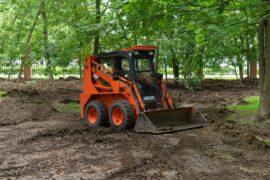
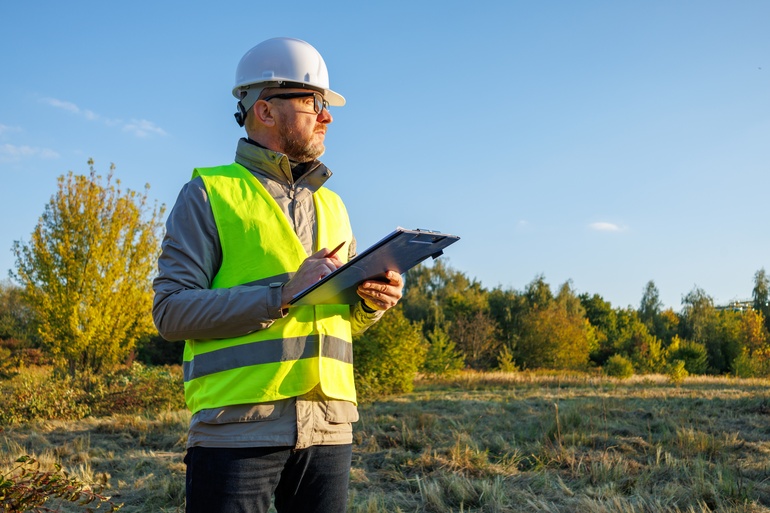
The construction industry is essential to infrastructure and development, but it also has significant environmental impacts. Construction crews must adopt environmentally responsible practices to reduce negative effects on the planet. It is crucial to address areas like waste management, emissions, resource conservation, and pollution control. There are certain environmental considerations construction crews must know if they are to operate safely and within regulations.
Site Preservation and Ecosystem Protection
Before breaking ground, crews must conduct a thorough site assessment to identify sensitive ecosystems, wildlife habitats, and protected areas. The goal is to minimize disruption to local flora and fauna and avoid irreversible damage to the surroundings.
Techniques such as erosion control, vegetation preservation, and careful planning of access routes can prevent unnecessary environmental harm. Collaborating with environmental specialists during project planning ensures compliance with laws and regulations while protecting the area’s natural beauty.
Hazardous Waste Management
Managing hazardous materials is a critical responsibility for construction teams. Improper handling of hazardous waste, such as asbestos, lead, or toxic chemicals, can lead to severe environmental contamination.
Construction crews must adhere to local and federal regulations for labeling, transporting, and disposing of such materials. Designating a trained team to oversee hazardous waste protocols helps ensure safety for both the environment and workers. Proper waste management can protect construction businesses in many ways, making it an essential part of daily operations.
Energy Efficiency and Resource Conservation
Resource consumption during construction is considerable, and improving efficiency can significantly reduce environmental impacts. Crews must prioritize the use of sustainable materials, such as recycled steel or locally sourced timber, to minimize deforestation and carbon emissions from transportation.
Implementing energy-efficient machinery and construction techniques, like modular construction or pre-fabrication, can further reduce both resource use and waste. These measures not only protect the environment but also result in cost savings for the project.
Air and Water Pollution Prevention
Construction activities can generate significant pollution if not managed carefully. Dust, fumes, and emissions from vehicles and machinery contribute to air quality issues, while improper runoff can contaminate local water sources.
Crews should implement air-quality control measures, such as using low-emission equipment and suppressing dust with water or biodegradable agents. For water conservation, setting up stormwater management systems and preventing chemical leaks can protect nearby rivers, streams, or aquifers from pollution.
Promoting Sustainable Practices
Fostering a culture of environmental sustainability within the construction industry is essential. Training workers to adopt environmentally conscious practices ensures these principles are followed consistently.
Educating teams about the benefits of sustainable methods reiterates their importance and inspires a proactive approach to reducing harm to the planet. Spreading responsibility across the workforce ensures that protecting natural resources becomes a shared priority, transforming the construction sector into a more sustainable part of the global economy.
Environmental awareness isn’t just a regulatory obligation for construction crews; it’s an opportunity to preserve the planet for future generations. By integrating these environmental concerns that every construction crew should be aware of into daily operations, the construction industry can make a meaningful contribution to environmental sustainability.