
As you get older, your forever home might not become as accessible-friendly as you’d like it to be when you reach an age where mobility might be limited.
If you know your home is forever and you want to be proactive with your efforts, you could be making the changes now or in the near future to enhance your home for any future access needs.
Doing so could prevent you from having to go into a care home or rely heavily on care assistance as a result. Let’s take a look at how to enhance your home for future access needs.
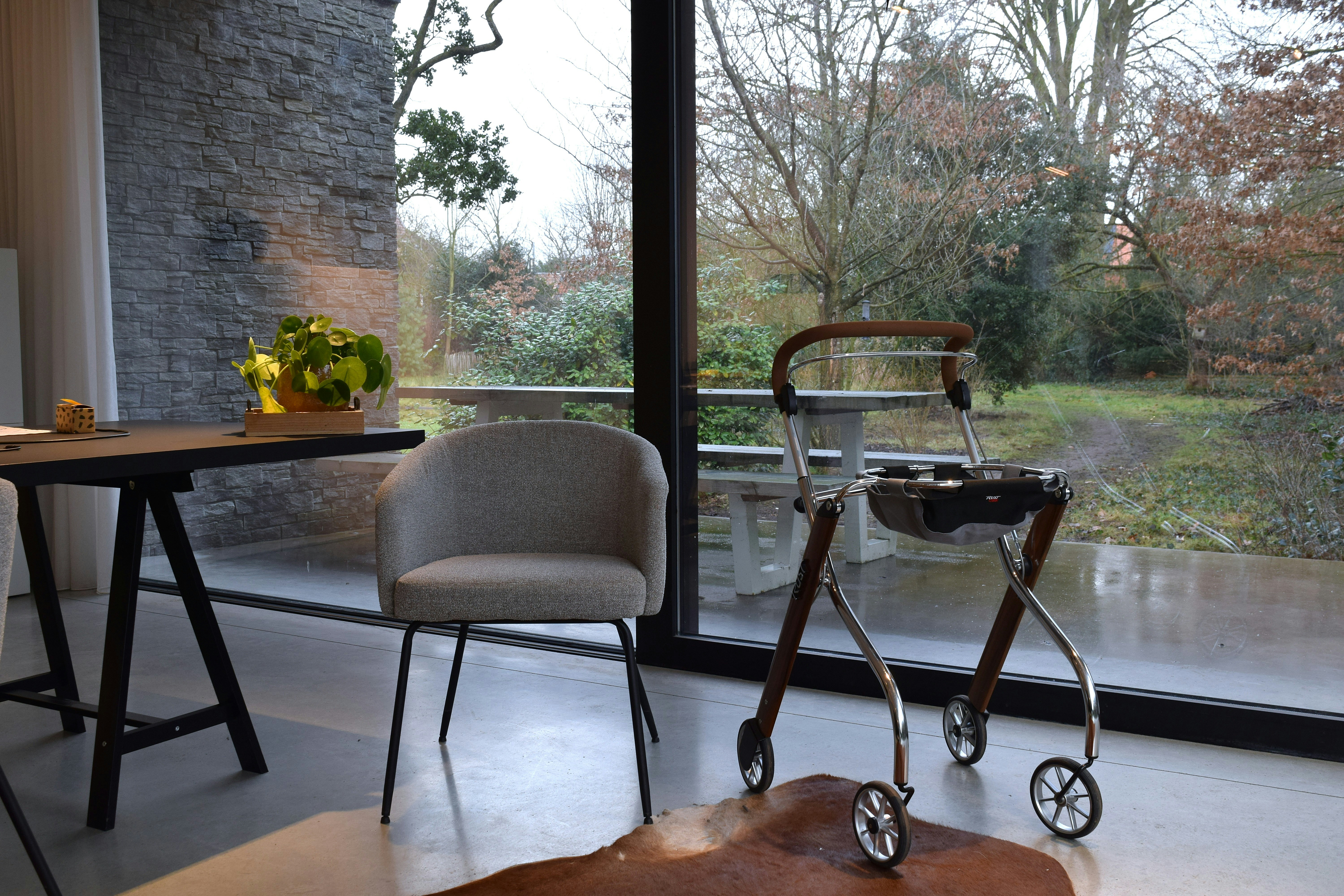
Key principles required for future access needs
There are some key principles to consider when it comes to future access needs. These include the following:
Step-free access
Removing thresholds and replacing your steps with ramps, especially at the front of entrances, is helpful to ensure accessibility for walkers, strollers, and wheelchairs, specifically.
Clearance space
It’s good to ensure rooms have all the space they need clearance-wise. This is particularly the case for bedrooms and bathrooms. A good 1500mm turning circle is helpful when you need to maneuver yourself or others easily.
Wide passageways
Aim for doorways and hallways to be around 850mm to 900mm wide to help accommodate wheelchairs, as well as mobility aids.
Lever handles
Replacing all door knobs and tap fittings with lever-style handles helps when requiring less grip strength and also dexterity.
Room-by-room enhancements to make
There are certainly some enhancements that you can make when navigating from one room to the next.
Bathroom
For your bathrooms, ensure that level access showers are available. Think about installing walk-in or wet room-style showers to help eliminate the step-over hazards.
Grab rails are good to install as they help provide something to grip onto and pull yourself up with. Shower seats are often drilled to the wall and foldable to provide comfort, but also help save space.
As well as all this, consider a toilet riser to help reduce strain on your joints.
Kitchen
When it comes to the kitchen, create surfaces that are accessible from a seated position. The use of pull-out storage is helpful to have as you get older. Replacing base cabinets with deep drawers or pull-out shelves will help avoid bending and reaching.
The use of induction hobs is helpful to eliminate open flames and reduce the risk of fires, too.
Stairs and access
Secure handrails are something to consider, too, when it comes to adding them to stairs. A chair lift might also be beneficial although a little more costly, can provide the ease of getting up and down the stairs with little to no risk of falls as a result.
Lighting and safety
Motion-sensor lighting is great so that they activate automatically in hallways, bathrooms, and outdoors too.
Non-slip flooring
Replacing carpets or slippery tiles with wooden or non-slip vinyl flooring is useful, especially in areas like bathrooms and kitchens.
Smart technology integration
Finally, consider smart technology integration like keyless entry and video doorbells for security purposes, and emergency alert systems to help notify emergency services.
With these tips, you’ll be able to enhance your home for future access needs, whatever that might look like.