
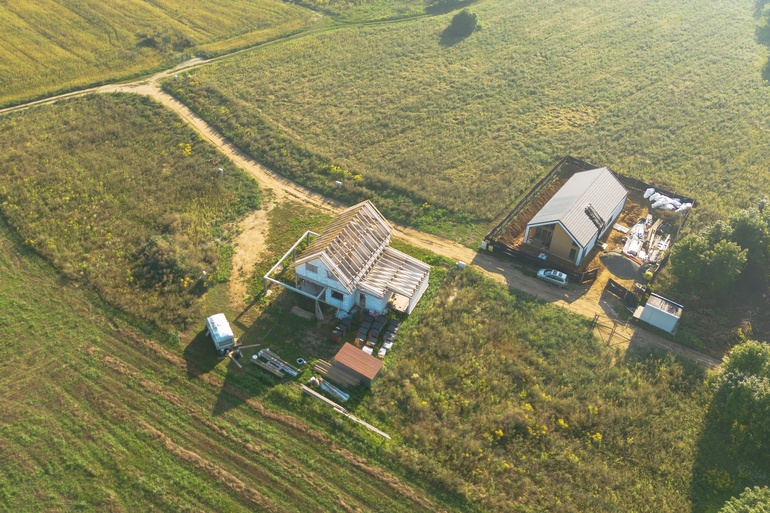
Open landscapes and quiet backroads create a rhythm of life defined by space and privacy. Yet that freedom carries practical demands that require thoughtful preparation. Mobility planning for rural and remote living protects independence by aligning transportation choices with the realities of distance and terrain. When you plan access with intention, even the most secluded property feels connected and fully within reach.
Evaluating Terrain and Property Access
Rural properties feature gravel roads, uneven pastures, steep inclines, or unpaved trails. Before considering any vehicle, you should study the land itself for slope stability and seasonal ground movement. Long private driveways and narrow entry points can also influence maneuverability. Careful evaluation of these factors ensures mobility decisions are shaped by the environment rather than corrected after problems arise.
Choosing Vehicles That Support Long-Term Independence
Once terrain is assessed, transportation decisions center on preserving independence. Distance from medical centers increases the importance of durability and interior flexibility. Specialty conversions provide room for mobility equipment while maintaining comfort during longer drives. Applying the principles behind understanding ground clearance in conversion trucks supports safer travel over rutted roads and uneven surfaces without adding mechanical strain.
Planning for Seasonal Shifts and Emergencies
Remote living magnifies the impact of weather, so contingency planning deserves careful attention. Snow chains, auxiliary fuel storage, satellite communication systems, and backup power sources strengthen resilience during storms or outages. Additionally, mapping alternate routes to hospitals or supply centers safeguards against washed-out bridges or road closures. Preparation transforms isolation into autonomy, especially when conditions change quickly.
Supporting Caregiving and Aging in Place
For many households, rural living includes multigenerational responsibilities. Wider doorways and well-lit entry points reduce fall risks while preserving the property’s character. Meanwhile, vehicles equipped with lift systems or adaptive seating extend independence for spouses or aging parents. Coordinating home adjustments with transportation capabilities creates a seamless environment that evolves gracefully over time.
Integrating Lifestyle and Legacy Goals
Beyond logistics, mobility reflects lifestyle values. Reaching a fishing cabin or a distant overlook should feel effortless rather than demanding. Thoughtful equipment choices protect the land while preserving its usability for family and guests.
Distance offers opportunity when matched with preparation and foresight. Mobility planning for rural and remote living strengthens autonomy while protecting comfort and safety. With intentional planning, remote living remains capable and deeply rewarding.


