
As the leaves start to turn and a chill creeps into the air, it’s the perfect time to make sure your home is winter-ready for the colder months ahead. A little bit of preparation now can make a huge difference, keeping you warm and cosy and stopping costly problems later on.
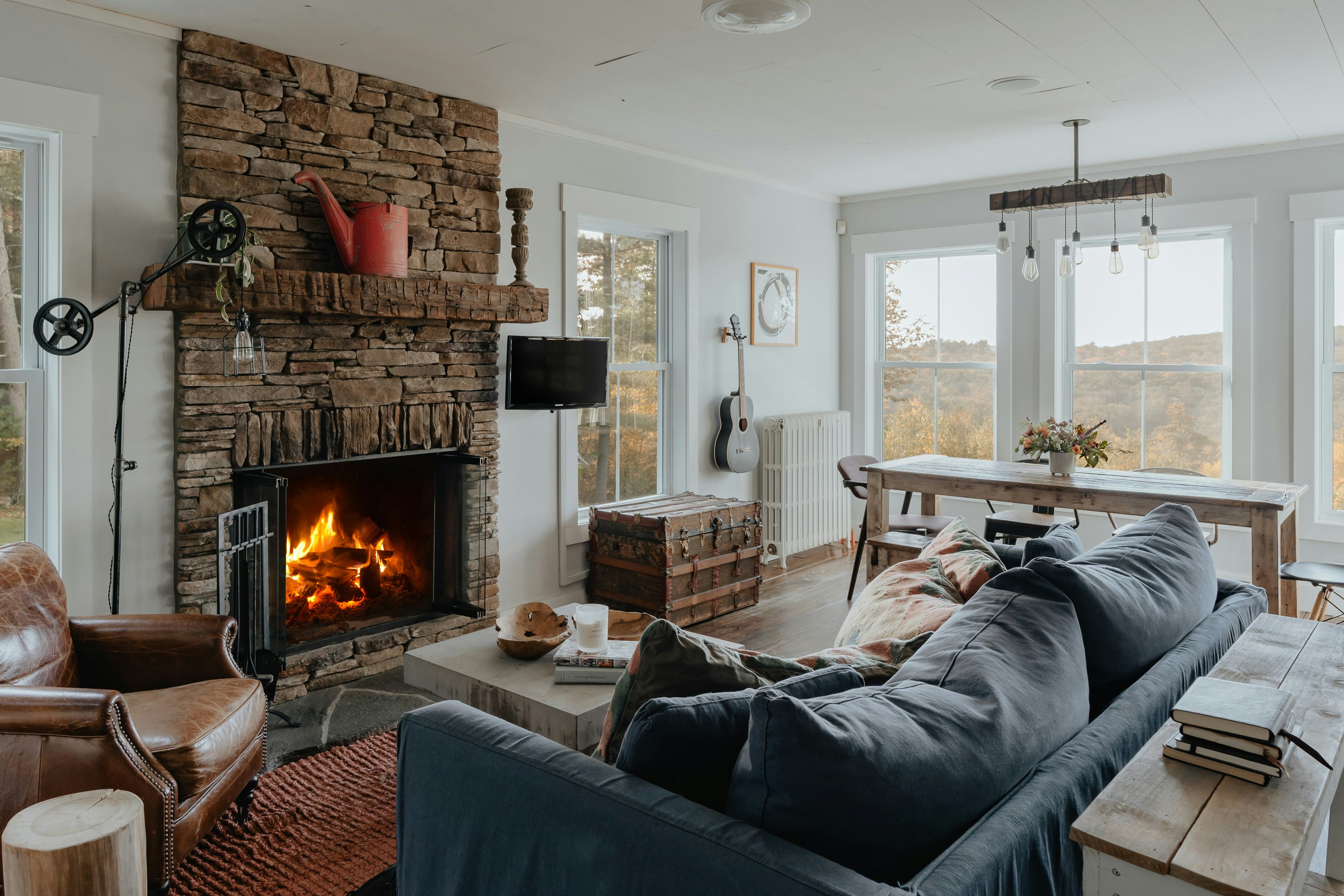
Taking care of a few key things around the house will help you settle in for a comfortable, worry-free winter.
Insulation Checks for Warmth
Lots of heat escapes from your home through the roof and walls. Before it gets really cold, it’s smart to check your insulation. If you have a loft, peek in to see how deep and how good the insulation looks. It should be about 270mm deep.
If yours seems a bit thin or squashed, adding more is one of the best ways to keep heat in and lower your energy bills. For walls, many homes built after the 1920s have gaps that can be filled with insulation. This is a job for pros, but it pays off in the long run.
Ensuring Boiler Health
Your boiler is like the heart of your home’s heating, and after a fairly quiet summer, it’s about to start working hard. Nobody wants it to break down when it’s freezing outside. Getting your boiler serviced every year is key to making sure all its parts are working right and efficiently.
A professional can spot small issues before they turn into big, expensive headaches. To make sure everything is safe and running well, it’s always best to book an annual service with a trusted gas engineer before the first cold snap hits. This simple check gives you peace of mind that your heating will be there when you need it most.
Draught-Proofing Your Living Spaces
Even in a home with good insulation, cold drafts can create uncomfortable chilly spots and waste energy. Taking some time to find and block these gaps is a quick, cheap way to make your home feel warmer. Check around windows and doors, letterboxes, and even keyholes.
You can use sticky foam strips for window frames or bigger, fabric draft stoppers for the bottom of doors. For floorboards and skirting boards, a simple tube of flexible sealant can fill any small cracks where cold air might sneak in.
Checking Pipes and Radiators
Cold weather can put extra pressure on your plumbing and heating system, so it is worth checking your pipes and radiators before winter fully sets in. Exposed pipes in lofts, garages, or outside areas are more likely to freeze when temperatures drop. Adding pipe insulation can help prevent freezing and reduce the risk of bursts.
Radiators also need a quick check. If they feel cold at the top but warm at the bottom, they may need bleeding to release trapped air. This helps your heating system work more efficiently and keeps rooms warmer without making your boiler work harder than necessary.
It is also a good idea to know where your stop tap is in case of an emergency. If a pipe does burst, being able to turn off the water quickly can limit damage and make the situation easier to manage.
Gutter Maintenance and Drainage
Autumn brings falling leaves, which can quickly clog up your gutters and drains. When gutters are blocked, rainwater can spill over and run down your house walls. This can lead to damp, damage to the brickwork, and even problems with your foundations over time.
Before the heavy winter rains start, take some time to safely clear out any leaves, moss, and gunk from your gutters and downpipes. Make sure water can flow freely away from your house. It might not be the most fun job, but it’s super important for protecting your home from water damage.
Winter Garden Care
Your garden also needs a little love before winter arrives. A final tidy-up can help it handle the colder months and make your life easier in spring. Rake up the last of the fallen leaves so they don’t smother your lawn.
If you have garden furniture, either cover it with waterproof covers or put it away in a shed or garage to stop rust and rot. It’s also a good idea to protect delicate plants or pots from frost. You can wrap them in garden fleece or bubble wrap, or just move smaller pots to a more sheltered spot closer to the house.
A little preparation now means you can kick back and enjoy a warm, comfortable home all winter long.