
Seasonal weather can expose small home maintenance issues before you realize anything is wrong. A loose shingle, blocked gutter or cracked seal may cope during mild conditions, then fail during heavy rain, strong wind or a sudden freeze. Regular inspections help you catch those problems while repairs are still manageable. Set reminders at the start of each season and after severe weather, then keep a simple record of completed work, photos and professional visits.
Seasonal Home Maintenance Checklist
Create a seasonal schedule that covers the areas most affected by changing temperatures and moisture. Pennymac’s seasonal maintenance checklist provides a useful starting point, though you should adapt tasks to your climate and property.
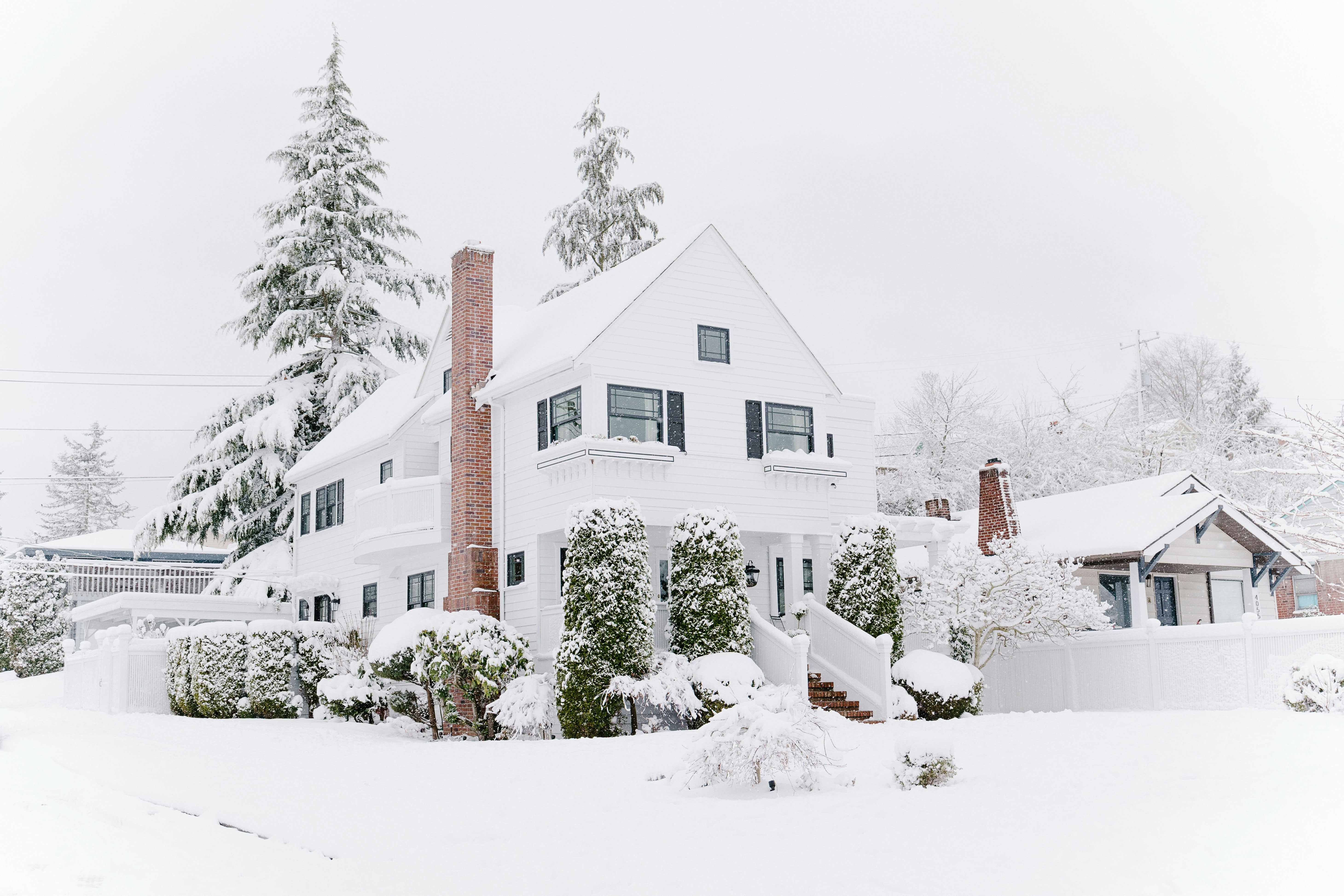
At least four times a year, inspect gutters, exterior seals, visible plumbing and heating or cooling equipment. Replace dirty filters and test smoke and carbon monoxide alarms according to their manufacturers’ instructions. Before colder months, follow a winter maintenance checklist that includes checking exposed pipes and outdoor faucets. Date each task in a notebook or home maintenance app so overdue jobs are easy to spot.
Safeguarding Your Exterior
Walk around your property during daylight and look for gaps, cracks and anything that has shifted. Check siding, masonry, window frames and exterior doors. Seal narrow gaps around frames with a suitable exterior-grade product, but ask a professional to assess widening cracks or walls that appear bowed.
Keep plants trimmed back from the building so branches don’t scrape surfaces or hold moisture against them. Clear leaves from drains and confirm that downspouts release water several feet from the foundation. This is also a good time to review these seasonal home maintenance tips for upscale homes if your property has features such as extensive landscaping, outdoor entertaining areas or specialty finishes.
The First Line of Defense Above
Inspect your roof from the ground after major storms and at least twice a year. Binoculars can help you identify cracked tiles, lifting edges, sagging sections or damaged flashing without climbing a ladder. Inside, check the attic for damp insulation, dark marks and daylight entering through unexpected gaps.
Call a qualified contractor if you find recurring leaks, widespread surface wear or signs that earlier repairs have failed. For homeowners and building owners in Greater Brisbane, the Gold Coast, Sunshine Coast and Ipswich, professional roof restoration may be appropriate when the underlying structure remains sound but the exterior needs substantial attention. Replacement may be necessary when deterioration is extensive, so arrange an assessment before the next severe weather season.
Insulation and Energy Efficiency
Inspect accessible insulation for compression, dampness and uncovered areas. Insulation works best when it forms an even layer, so gaps around attic hatches and service openings can create noticeable temperature changes. Any wet material needs prompt attention because moisture may point to a leak or ventilation problem.
Check weatherstripping by closing each exterior door on a sheet of paper. If the paper slides out easily, the seal may need adjustment or replacement. Use removable caulk around drafty windows where suitable and close curtains during the hottest or coldest part of the day. These modest fixes reduce strain on heating and cooling equipment while helping rooms stay at a steadier temperature.
Preventing Water Damage Indoors
Look under sinks, behind appliances and around toilets for moisture, staining or warped materials. Run a dry paper towel around supply lines and connections since it can reveal a slow leak that isn’t yet forming a puddle. Check washing machine hoses for bulges, cracking and rust near the fittings, then replace damaged hoses promptly.
Know where your main water shutoff is located and make sure other household members can find it. During cold spells, keep vulnerable areas warm and follow local guidance for protecting exposed pipes. Pay attention to musty smells and peeling paint after heavy rain. If a mark grows, feels soft or returns after cleaning, find the source instead of covering it with fresh paint.
A dated photo of each inspected area gives you a useful reference for the following season. When the next storm or temperature swing arrives, you’ll be able to tell if a crack, stain or roof defect has changed and arrange repairs before the damage spreads.


