A favorite pair of shoes can become an essential part of everyday life, whether it’s comfortable sneakers for running errands, sturdy boots for countryside walks, or sandals that come out every summer. However, regular use, changing weather conditions, and improper storage can gradually affect their appearance and durability. Replacing worn-out footwear can also become expensive, particularly when several family members need new shoes throughout the year.
Fortunately, there are plenty of simple ways to extend the lifespan of your favorite footwear. By developing a few practical care habits, you can keep your shoes comfortable and looking their best while reducing waste.
Keep Your Shoes Clean
Regular cleaning is one of the easiest ways to prevent premature wear. Mud, dust, and everyday grime can collect around stitching, seams, and soles, potentially damaging materials when left untreated. Cleaning footwear after particularly muddy or dusty outings helps prevent stubborn stains and keeps shoes in better condition.
The cleaning method should always suit the material. Leather shoes generally benefit from a gentle wipe with a damp cloth, while suede requires a specialist brush to remove dry dirt without damaging its texture. Canvas footwear can often be cleaned using mild soapy water and a soft brush, although manufacturer instructions should always be checked first.
There is no need to deep-clean every pair after each use. Removing visible dirt promptly and giving shoes an occasional thorough cleaning is usually enough to maintain their appearance.
Allow Footwear To Dry Naturally
Wet shoes are almost unavoidable, especially during rainy weather or outdoor activities. However, drying them incorrectly can cause more damage than the moisture itself. Placing footwear directly against radiators or heaters may cause leather to crack, adhesives to weaken, and certain materials to lose their original shape.
Instead, allow damp shoes to dry naturally in a well-ventilated room away from direct heat. Removing the insoles where possible can improve airflow, while loosely filling the shoes with absorbent paper helps draw out moisture and maintain their shape.
Very wet footwear may need more than a day to dry completely. Giving it sufficient time before wearing or storing it again helps prevent lingering moisture and unpleasant odors.
Rotate Your Footwear Throughout the Week
Wearing the same shoes every day places continuous pressure on their soles, uppers, and internal cushioning. Footwear also absorbs moisture during normal use, which can remain trapped when shoes are worn repeatedly without a break.
Rotating between a few practical pairs gives each one time to air out and recover between uses. For example, sturdy boots might be suitable for gardening and muddy walks, while comfortable sneakers can be reserved for shopping trips and everyday activities.
This doesn’t mean building a large shoe collection. Choosing a small number of versatile pairs for different activities can help distribute wear while keeping your wardrobe manageable.
Give Leather Boots the Attention They Need
Leather boots are valued for their durability and timeless appearance, but they still require appropriate maintenance. Exposure to dirt, moisture, and changing temperatures can gradually leave leather feeling dry or stiff, increasing the likelihood of cracking.
Begin by brushing away loose dirt and wiping the surface with a suitable cloth. Once the boots are clean and completely dry, applying a leather conditioner according to the manufacturer’s instructions can help maintain flexibility. Assembling the right boot care accessories every boot owner should have, such as appropriate cleaning brushes and conditioning products, can make routine maintenance more straightforward.
It’s important to remember that different leather finishes need different treatments. Products designed for smooth leather may not be suitable for suede or nubuck, and applying too much conditioner can affect the material’s appearance and texture.
Store Your Shoes Properly
Poor storage can shorten the useful life of footwear, even when shoes aren’t being worn. Piling several pairs together at the bottom of a wardrobe may lead to scuffs, crushed heels, and misshapen uppers.
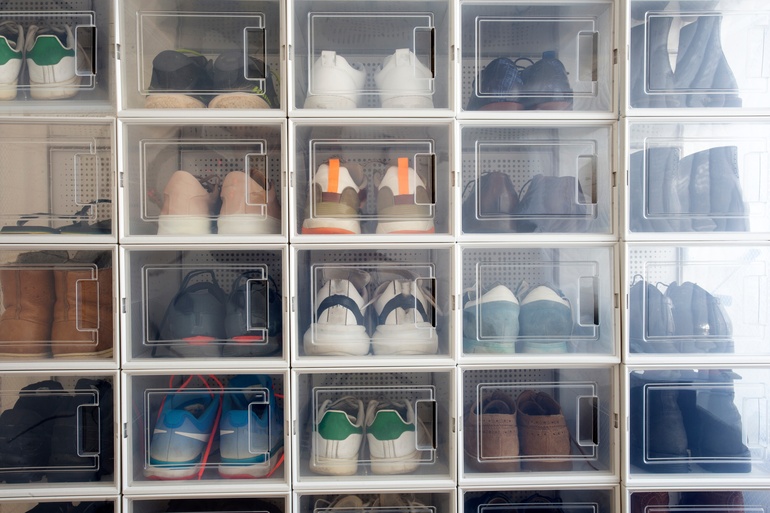
A shoe rack or organized storage area allows footwear to retain its shape while remaining easy to access. Shoes should also be completely dry before being placed in boxes or cupboards, as trapped moisture can encourage mold growth.
For leather footwear, shoe trees maintain the original shape and reduce creasing. Breathable fabric bags are another useful option for protecting occasionally worn shoes from dust without sealing in moisture.
Repair Minor Damage Before It Gets Worse
Small signs of wear are easy to overlook, particularly when shoes still feel comfortable. However, a loose sole, damaged stitching, or worn heel can develop into a more serious problem when ignored.
A professional cobbler may be able to replace heels, repair stitching, secure loose soles, or restore certain leather shoes. While not every pair can be repaired economically, well-constructed footwear can sometimes remain useful for years with occasional maintenance.
Checking shoes regularly allows you to address problems before they become more difficult or expensive to fix. Repairing footwear where practical also supports a less wasteful approach to everyday shopping.
Protect Your Footwear From Seasonal Weather
Different weather conditions create different challenges for footwear. Rain and mud leave materials damp and stained, while winter road salt may cause discoloration or damage if residue is allowed to remain.
Using a protective treatment suitable for the shoe’s material can help reduce moisture exposure, although not every product works with every fabric or finish. Always check compatibility before applying sprays or waterproofing treatments.
Choosing footwear appropriate for the conditions is equally important. Delicate sneakers are unlikely to withstand repeated muddy walks as well as purpose-made outdoor boots, while lightweight sandals are better reserved for suitable weather.
Be Gentle When Putting Shoes On and Taking Them Off
Everyday habits gradually affect footwear construction. Forcing your feet into tightly laced shoes or repeatedly stepping on the heel to remove them can damage the heel structure and cause the material to lose its shape.
Loosening laces before removing shoes and using a shoehorn for structured footwear can help prevent this damage. These small adjustments require very little effort but are particularly useful for shoes worn frequently.
Choose Well-Made Footwear That Fits Properly
Long-lasting footwear begins with choosing shoes suited to your needs. Poorly fitting shoes may wear unevenly, while weak stitching and low-quality construction can make repairs difficult.
When purchasing footwear, consider comfort, materials, sole construction, and whether the style suits your usual activities. A higher price doesn’t always guarantee durability, so examining how shoes are made is more useful than relying on a brand name alone. Choosing comfortable, versatile styles that you genuinely enjoy wearing can also discourage unnecessary purchases and make it easier to maintain a practical wardrobe.
Small Habits Make a Lasting Difference
Looking after shoes doesn’t need to become a time-consuming household chore. A few minutes spent removing dirt, checking for damage, and storing footwear correctly can make a meaningful difference over time.
The most effective ways to extend the lifespan of your favorite footwear are often simple habits practiced consistently rather than expensive treatments or complicated routines. By cleaning shoes appropriately, allowing them to dry, repairing damage, and choosing quality, you can enjoy your favorite pairs for longer while saving money and reducing waste.


