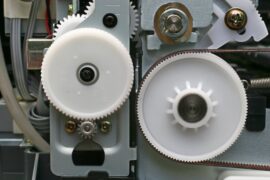
Now, needless to say here, getting new equipment is exciting because it usually signals growth, smoother production, fewer manual workarounds, and a workflow that finally feels a bit more grown-up. But with that part said, though, new equipment is also one of those things that can cause headaches if it gets powered up before it’s truly ready, because “new” doesn’t always mean “installed correctly,” and it definitely doesn’t mean “set up for how this specific business actually operates day to day.”

Well, putting it bluntly, just because it’s brand new doesn’t mean there aren’t going to be any safety hazards. It’s just honestly never a good idea to immediately assume that, and that’s why you need to do a checklist before it goes “live” and in action.
Confirm the Specs Match What was Ordered
Well, of all things here, this one should at least be the simplest aspect of what should be done. Anyway, before anything else, it helps to slow down and confirm the details match the purchase, because it’s way too common for a business to receive the right-looking machine that’s surprisingly the wrong version. No, really, you read that right.
Plus, the model number, voltage requirements, plug type, phase, capacity, and included accessories should match the order confirmation, and it’s worth checking clearances too, because a machine that technically fits in the room can still be impossible to service if there’s no space around it for ventilation, access panels, or routine maintenance.
Also, look at all the documentation and make sure you have absolutely everything you need.
Inspect for Shipping Damage and Installation Problems
Yeah, in the shipping process, even if it was supposedly “white glove,” this can still very well happen, well, that and minor misalignment can still lead to bigger problems once the equipment is running under load. It honestly is as simple as just going on an inspection, and yes, it should include panels, seams, guards, fasteners, wiring covers, and any components that look like they could’ve shifted in transit.
Document Everything!
Well, include everything said above, and if anything is dented, loose, scratched to bare metal, or just not sitting square, it’s better to document it right away while it’s clearly a delivery issue and not a “maybe it happened later” situation. Plus, you might need a refund or something, you don’t want the blame for any of this.
Even if the machine looks perfect, installation conditions still need attention, because equipment often has requirements that don’t show up in a product photo, like being level, anchored, properly ventilated, connected to appropriate extraction, or placed away from moisture and dust sources.
Check Safety Controls
Maybe this is obvious, maybe not, but safety checks shouldn’t be an afterthought, even if the machine is brand new and “should be fine,” because the first day of use is usually when operators are learning, adjusting, and moving a little too confidently for how unfamiliar everything still is.
What if something goes wrong? Is there an emergency stop button for it? Are the controls for it easy in case things get out of hand? Can it be controlled from afar like a computer, remote, some sort of system, or is it only the machine itself?
Don’t Forget About Training
Well, it’s not like this one would be forgotten. But it can be tough if this is literally everyone’s first time trying this. So operators should understand what normal sounds, vibrations, temperatures, and cycle times look like; they should also know exactly what to do when jams, errors, well, anything wrong is happening. That, and know how to do it fast in case an emergency happens. There’s no time for guesswork!