
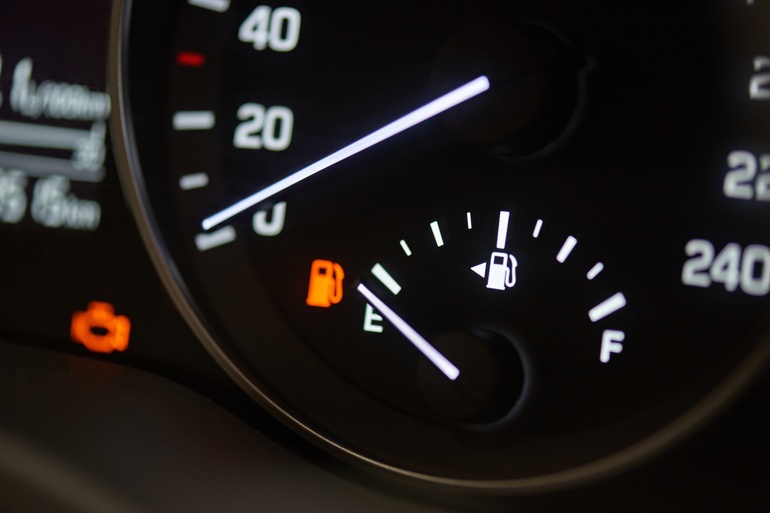
Driving less should mean fewer trips to the gas station, right? Unfortunately, fuel efficiency drops even when you drive less. Short errands or long gaps between drives change how fuel is used. The real issue is often the driving pattern rather than mileage alone.
Short Trips Burn Fuel Faster
A vehicle uses more fuel during the early part of a drive, before everything settles into normal operating range. Because of that, quick trips across town can burn through gas less efficiently than longer, steadier drives. When most miles come from short errands, fuel economy slips even though the odometer barely moves. That drop feels small at first, yet it adds up quickly over time.
Parked Cars Still Create Efficiency Problems
Driving less can quietly lead to small issues that work against fuel economy. Tire pressure can fall while a car sits, and even a slight drop can make the vehicle work harder than it should. That is one reason it helps to properly inflate your car’s tires before those short drives become more expensive than expected. Meanwhile, weak battery performance or sluggish fluids can make a vehicle feel less efficient overall.
Idle Time Counts More Than It Seems
Fuel use does not stop just because the car is not moving. Sitting in traffic or letting the engine run during quick stops burns gas without adding useful miles. As a result, a vehicle can use a noticeable amount of fuel during a week that barely includes any real driving. That makes low-mileage weeks feel less efficient than expected.
Maintenance Timing Still Matters
Less driving can make routine service feel less urgent, but time still affects how a vehicle runs. Older oil, dirty filters, and worn spark plugs chip away at fuel economy. Seasonal changes can also affect tire pressure and engine performance in ways that are easy to miss. When those little things pile up, fuel efficiency usually drops before anything feels seriously wrong.
Once those habits start to stack up, fuel efficiency drops even when you drive less. Daily patterns have a way of shaping performance more than the mileage total suggests. Small shifts in routine can end up changing what each trip really costs.