
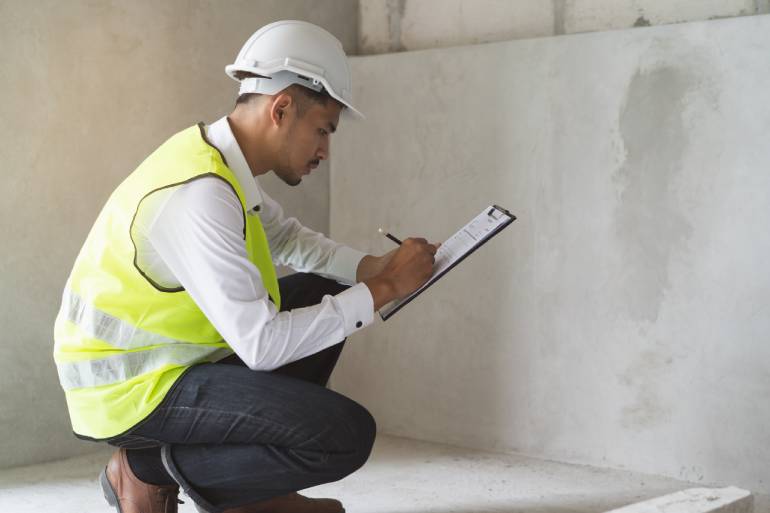
Property inspections may seem like just another task on a landlord’s long to-do list but skipping them can lead to significant risks. Whether you’re managing a single rental property or an entire portfolio, routine inspections are vital to maintain investment profitability, safety, and longevity. Here, we’re uncovering why landlords can’t afford to skip inspections, offering valuable insights to help you protect your property and bottom line.
The High Costs of Skipping Inspections
Neglecting inspections can result in costly surprises. Minor issues, such as small leaks or electrical problems, can quickly snowball into expensive repairs if left unattended. For instance, a minor plumbing leak can evolve into significant water damage, costing thousands and eating away at profitability.
Legal Protection: Why It’s a Must
Landlords have legal responsibilities that require properties to meet health and safety standards. Skipping inspections can leave you blind to potential violations, exposing you to legal action and penalties. For example, unsafe conditions, such as faulty smoke detectors or mold growth left unattended, could lead to tenant claims of negligence.
An inspection can identify potential hazards and serve as documented proof that you’re fulfilling your legal obligations. Should a legal dispute arise, detailed inspection reports work as powerful evidence to demonstrate that you’ve been proactive in maintaining the property.
Property Value and Tenant Satisfaction
Regular inspections are directly tied to maintaining—or even increasing—a property’s value. Properties that are well cared for are more likely to appreciate and staying vigilant means avoiding the type of neglect that leads to long-term deterioration.
Additionally, inspections significantly impact tenant satisfaction. Tenants want to feel secure and valued in the properties they occupy. Regular visits to check for wear and tear, combined with efforts to address issues promptly, show your commitment to their comfort and safety. Happy tenants are more likely to renew leases, leading to steady income and reduced vacancies.
The Role of Inspections in Preventative Maintenance
Preventative maintenance is the backbone of effective property management, and inspections make this possible. By conducting routine assessments, landlords can identify potential problems, such as aging roofs, HVAC issues, or pest infestations, before they escalate into emergencies.
Consider the cost difference between routine HVAC servicing versus a complete replacement due to system failure. Taking a proactive approach ensures the long-term functionality of critical systems and spreads out maintenance expenses, giving landlords better control over cash flow.
The Complete Rental Property Inspection Checklist
Landlords often make mistakes simply because they lack structure when approaching inspections. By using a complete inspection checklist, landlords can make sure that every aspect of their property is reviewed thoroughly. The checklist should include structural conditions, plumbing, electrical systems, heating and cooling, and the condition of walls and flooring.
Inspections are not merely an optional chore; they are critical to protecting your investment, satisfying tenants, and maintaining long-term profitability. Landlords can’t afford to skip inspections if they’re looking to avoid unnecessary costs, legal complications, and even damage to your rental property’s reputation.
If you’re not already using a rental property inspection checklist to simplify and enhance property management, it’s time to incorporate one into your process and protect what matters most—your investment.


