
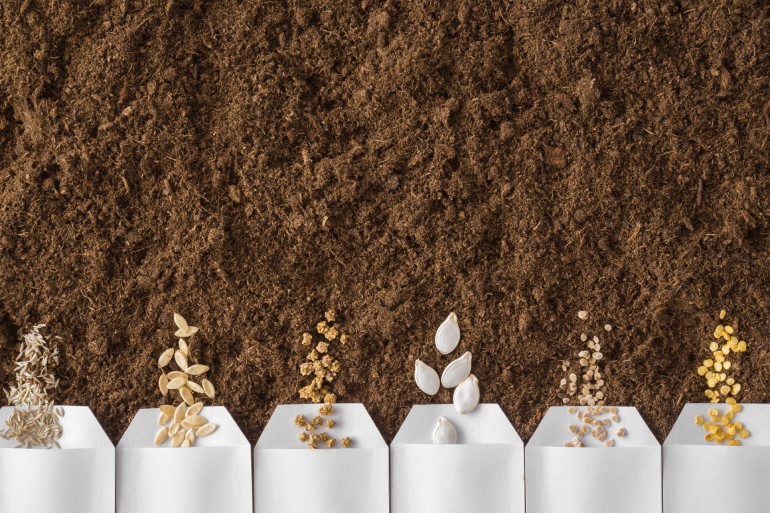
Unlike commercially bred seeds, heirloom seeds come from plant varieties that farmers have cultivated for centuries, often passed down through generations. Each seed contains unique traits and flavors, often lost in modern, uniform crop varieties bred for mass production.
The genetic variability found in heirloom seeds can provide traits such as pest resistance, drought tolerance, and nutritional benefits, ensuring a resilient food supply in growing environmental challenges. Learning why the preservation of heirloom seeds is crucial will help preserve cultural heritage, promote ecological balance, and ensure the sustainability of the food systems.
Resilience to Changing Climates
As global temperatures rise and climates shift, the need for resilient crops is urgent. Heirloom seeds often originate from plants that have naturally adapted to various environmental conditions over centuries. These seeds can possess characteristics such as drought tolerance, heat resilience, and resistance to pests and diseases. Integrating heirloom varieties into agricultural practices will help crops withstand the unpredictable challenges presented by climate change.
Cultural and Historical Significance
Heirloom seeds represent more than just biological diversity; they are also carriers of cultural and historical heritage. Each heirloom variety has a story, often traced back to indigenous communities or local farmers who have nurtured these plants through generations. The preservation of these seeds contributes to the safeguarding of collective agricultural heritage. It offers an opportunity to reconnect with the past and understand the intricate relationships between humans and plants.
Food Security
Food security is a growing concern as the global population continues to rise. The sustainability of the food systems depends on a reliable and diverse supply of crops. Growing heirloom varieties can reduce the dependency on commercial seed companies, offering farmers more control over their crops and economic stability. Learning the role of pollinators in heirloom seed production is also important because they facilitate the transfer of pollen, enabling plants to produce fruit and seeds. Without these essential creatures, many heirloom varieties would struggle to reproduce effectively.
Genetic Diversity
One of the most significant reasons to preserve heirloom seeds is their contribution to genetic diversity. Modern agriculture often relies on a limited number of crop varieties, which can make the food supply vulnerable to diseases and pests. Heirloom seeds have a broad spectrum of genetic traits that are invaluable in crossbreeding programs aimed at producing resilient crops. Their wide genetic pool ensures a versatile agricultural system that can adapt to changing conditions and threats.
The preservation of heirloom seeds is vital for maintaining genetic diversity, ensuring crop resilience in the face of changing climates, and safeguarding cultural and historical heritage. These seeds are essential for sustainable agriculture and long-term food security. Embracing heirloom seeds is not only about looking back at the agricultural past; it is also about securing a resilient and versatile future for global food systems.